
Humane Wildlife Removal

Expert Wildlife Control in the Bay Area
ATCO removes wildlife humanely and legally — keeping animals out for good.
Wildlife We Handle
Identify Your Pest
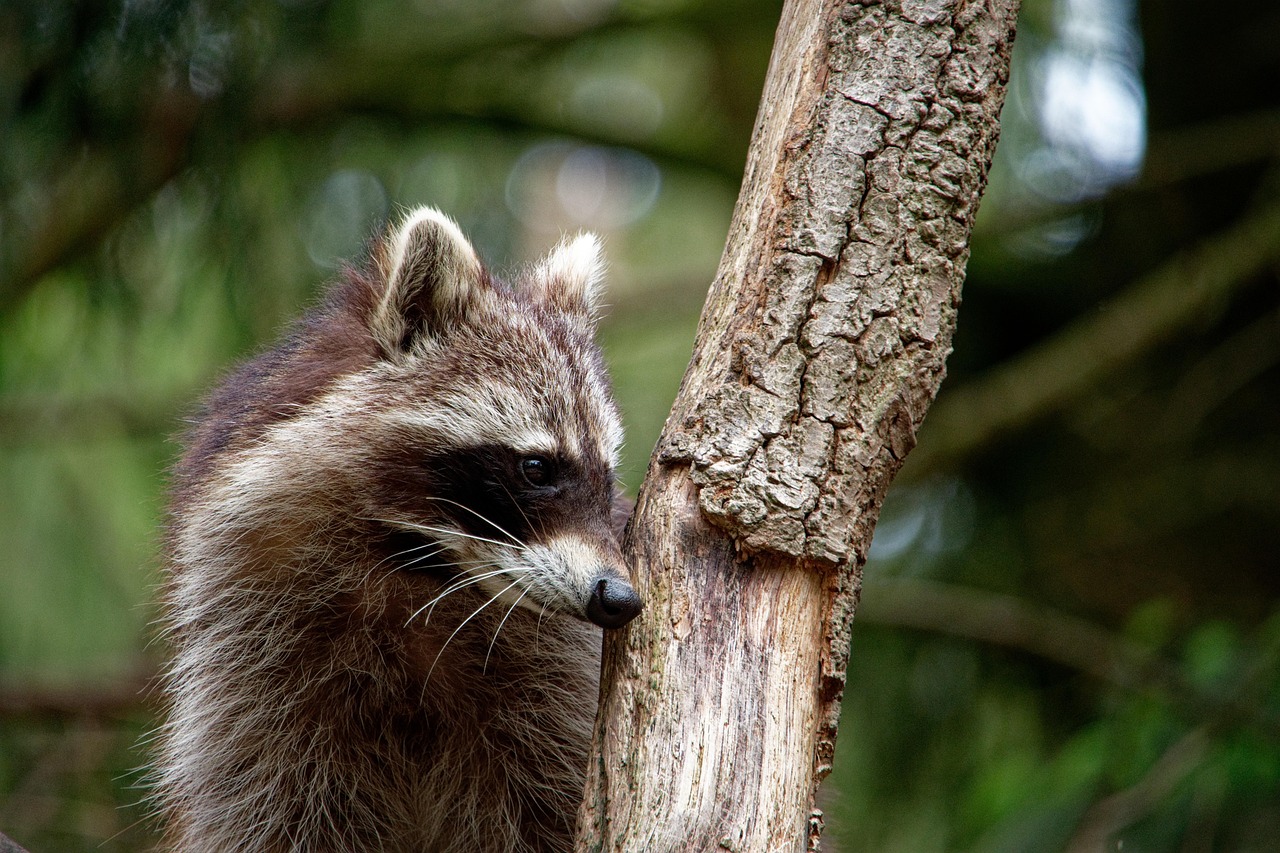
Raccoon
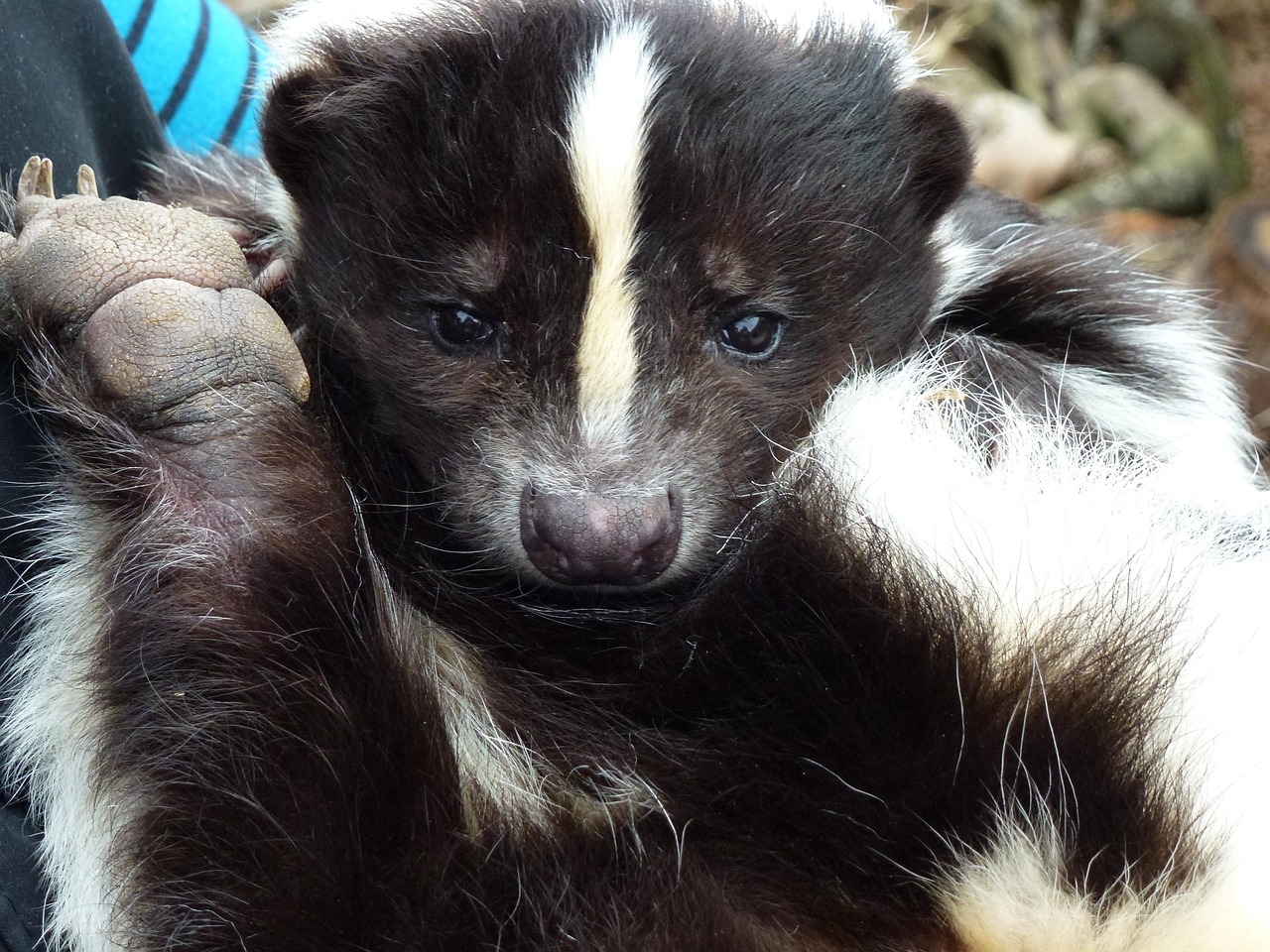
Skunk
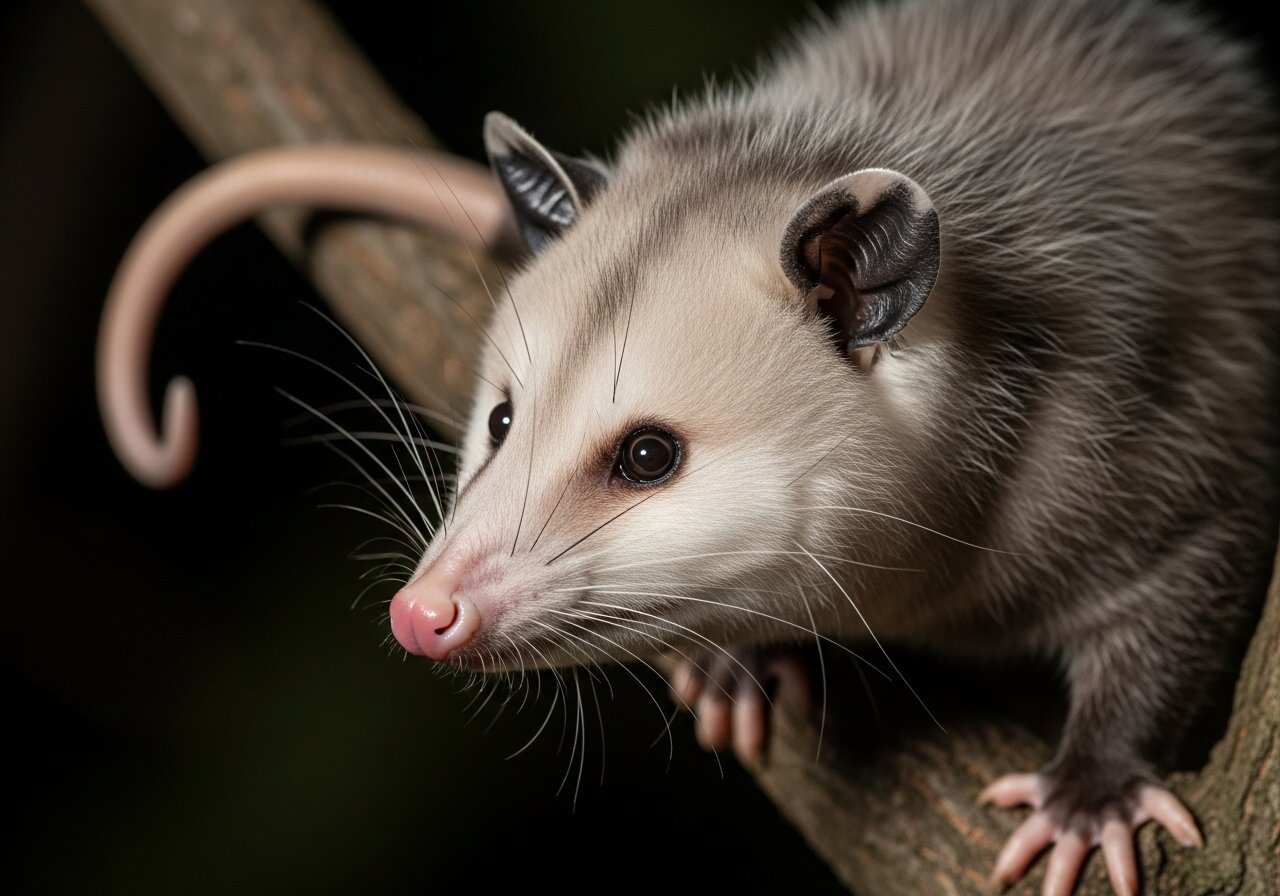
Opossum
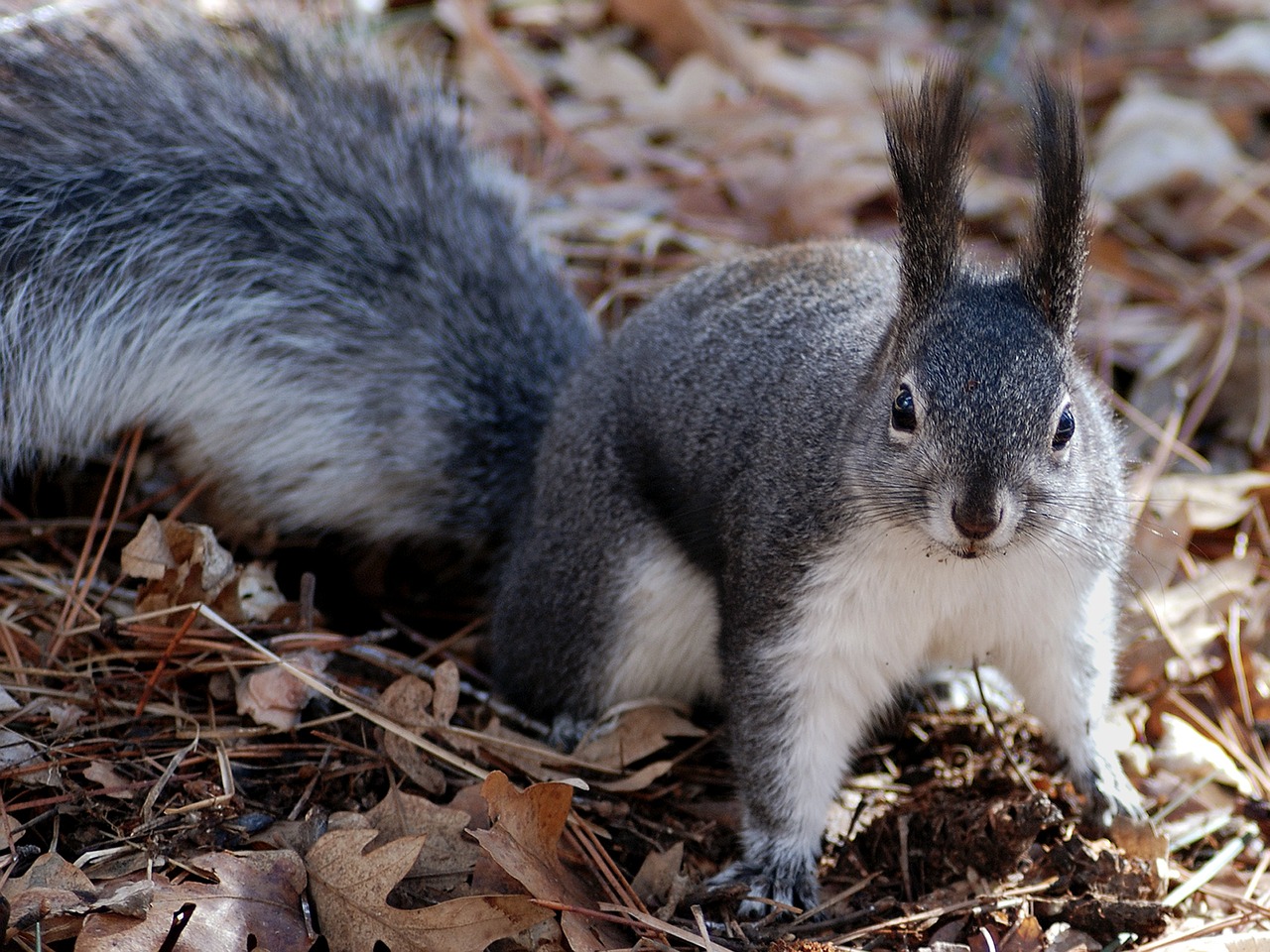
Eastern Gray Squirrel
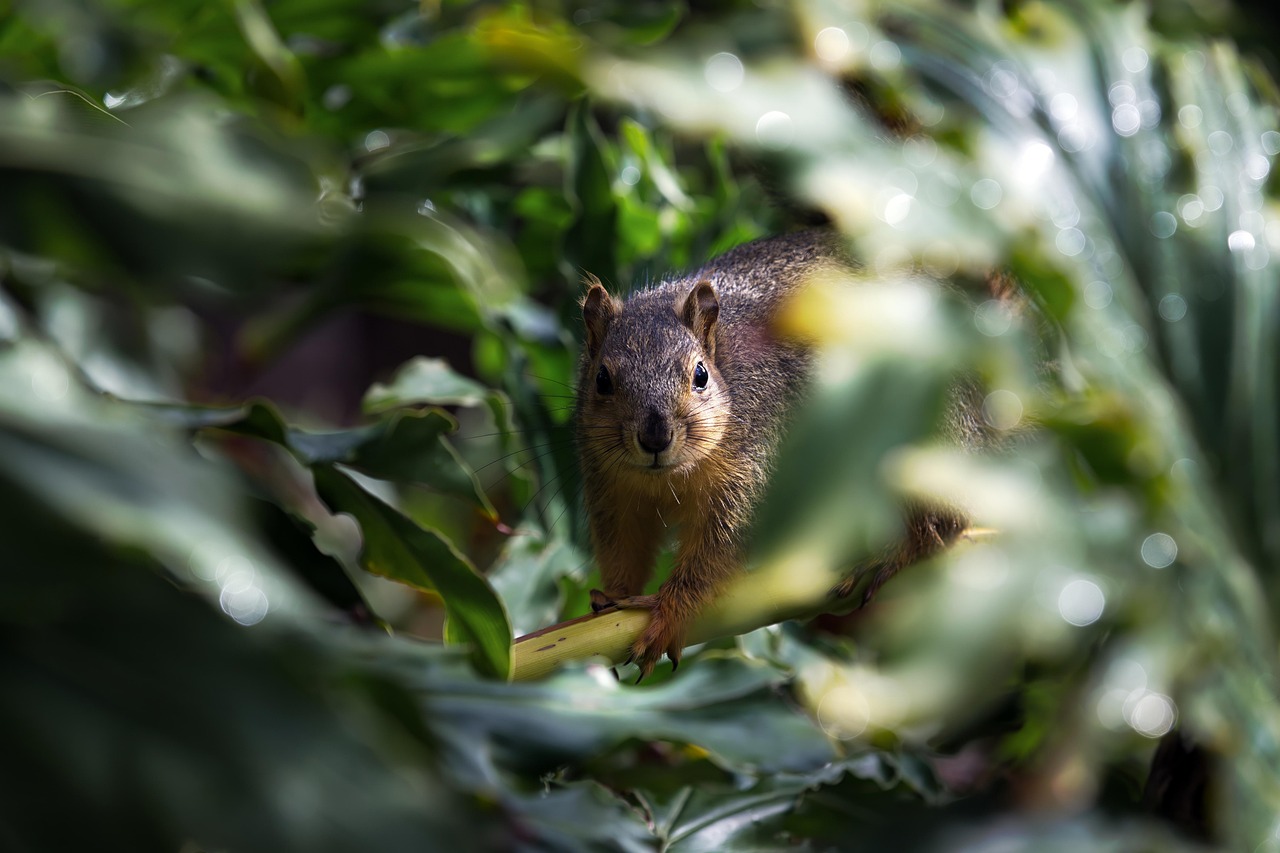
Fox Squirrel
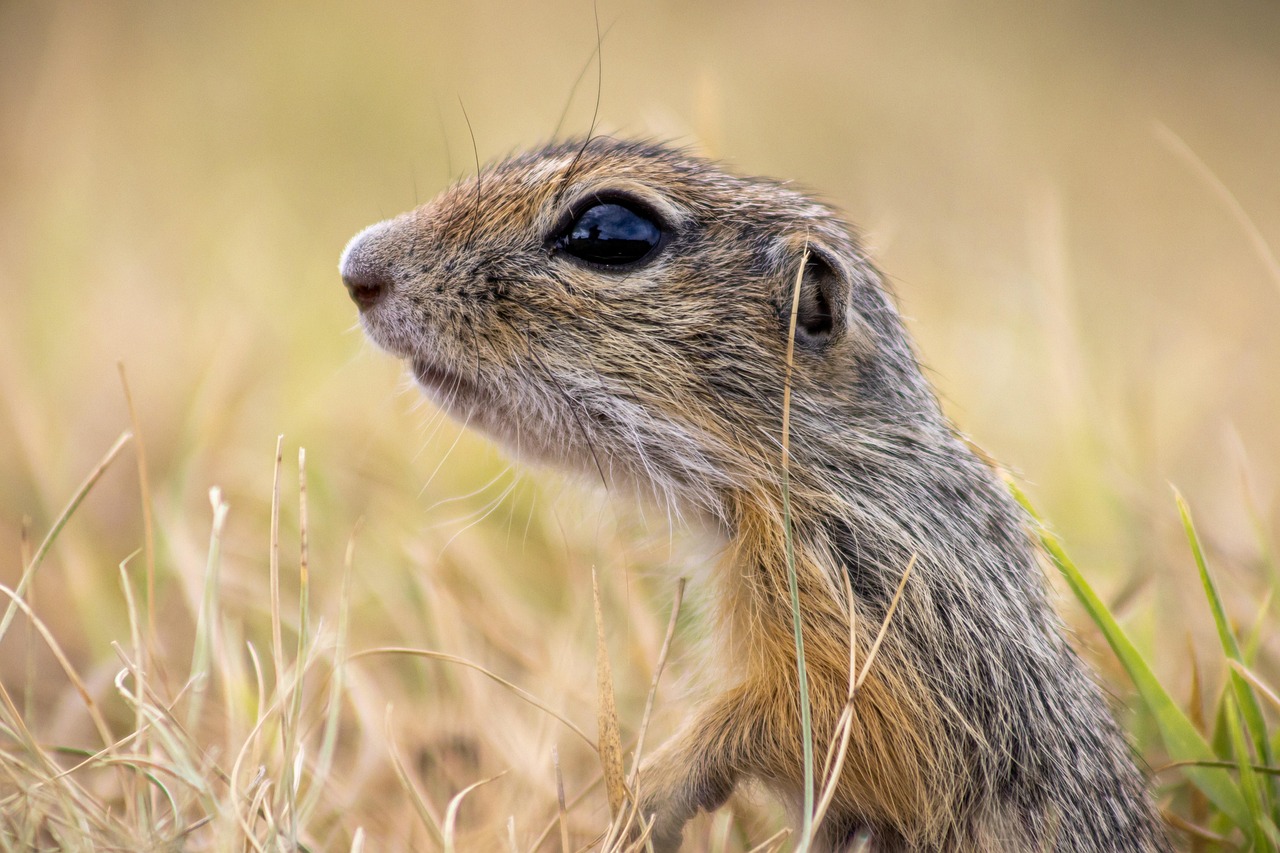
Ground Squirrel
Prepare for Your Appointment

Secure All Trash Cans
Make sure all trash cans have tight-fitting lids. This removes a major food source that attracts wildlife.

Bring Pet Food & Water Inside
Remove all outdoor pet food and water bowls. These are magnets for raccoons, skunks, and opossums.

Note Activity Times & Locations
Record when and where you've spotted the animal. This helps your technician understand patterns.

Photograph Any Damage
Photos of holes, torn screens, chewed wires, or disturbed areas give your technician a head start.

Don't Attempt to Trap or Corner
Cornered animals can be unpredictable and may carry diseases. Leave removal to your technician.

Clear Access Points
Make sure your technician can reach crawl spaces, attic entries, and areas under decks where wildlife may be nesting.
What to Know About Urban Wildlife
Tap a card to learn what it means for your home — and what ATCO does about it.
Raccoons grow to trophy size when fed by humans. Never feed wildlife — it makes them bold, aggressive, and destructive to your property.
Schedule ConsultationA raccoon family in your attic tears insulation, rips wires, and creates latrine sites in a single night. Act immediately when you hear them.
Schedule ConsultationOpossums consume up to 5,000 ticks each season — but they still don't belong in your crawl space. Humane removal + exclusion is the solution.
Schedule ConsultationA startled skunk sprays accurately 15 feet in any direction. Professional removal avoids the $300+ de-odorizing bill — and the trauma.
Schedule ConsultationCalifornia requires permits for trapping certain wildlife species. ATCO is licensed, insured, and legal — DIY trapping can result in fines.
Schedule ConsultationWildlife inside your home is an emergency. We offer same-day response for active intrusions — licensed, humane, and permanent.
Schedule ConsultationDid You Know?
Signs of Wildlife Activity
Scratching or thumping in your attic, knocked-over trash cans, torn soffit or vent screens, droppings on your deck or roof, and unusual odors under your home are all signs wildlife has moved in. Tracks in mud or dust near your foundation confirm the species.
What Attracts Them
Unsecured trash, pet food left outdoors, fallen fruit, and bird feeders are the top attractants. Wildlife also seeks sheltered denning sites — gaps under decks, unsealed crawl spaces, uncapped chimneys, and damaged attic vents all provide easy entry.
Health and Property Risks
Wildlife can carry rabies, distemper, leptospirosis, and parasites like fleas and ticks. Raccoons and squirrels destroy attic insulation and chew wiring (a fire hazard). Skunks burrow under foundations, and accumulated droppings create serious indoor air quality concerns.
When to Call a Pro
Contact a professional if you hear animals in your attic or walls, find a den under your home, notice an animal behaving aggressively or acting disoriented, or suspect babies are present. In California, trapping and relocating most wildlife without a permit is illegal.
Seasonal Patterns
Spring is baby season for most wildlife — raccoons, skunks, squirrels, and opossums all give birth between March and June. Fall brings a surge of animals seeking warm shelter for winter. Calls spike in these seasons as wildlife moves into attics, crawl spaces, and wall voids.
Prevention Tips
Secure trash with locking lids, bring pet food indoors at night, and pick up fallen fruit daily. Seal gaps under decks and porches with heavy-gauge mesh, cap chimneys, and screen attic vents. Trim tree branches at least 6–8 feet from your roofline to cut off roof access.
What You Can Do
Secure Trash & Compost
Use wildlife-resistant cans with locking lids. Raccoons, skunks, and opossums are drawn to easy food sources overnight.

Install Motion-Activated Lights
Most wildlife is nocturnal. Motion-activated lights and sprinklers startle and discourage animals from settling.
Close Off Access Points
Seal gaps under decks, porches, and crawl spaces with heavy-gauge mesh. Trim branches that overhang your roof by at least 6 feet.

Bring Pet Food Inside
Don't leave pet food or water bowls outdoors overnight. These are magnets for raccoons, skunks, and opossums.
Pick Up Fallen Fruit
Fruit trees attract wildlife. Collect fallen fruit daily and harvest ripe fruit promptly to reduce visits.
Use Sound Deterrents
Ultrasonic deterrents or talk radio in attics and crawl spaces discourage wildlife. Animals prefer quiet, undisturbed spaces.
What to Avoid
Don't Feed Wildlife
Feeding wild animals — even unintentionally — makes them lose fear of humans and encourages return visits.
Don't Use Poison
Poisoning wildlife is often illegal and harms pets, children, and non-target animals. It also causes animals to die in hard-to-reach places.
Don't Approach or Corner Animals
Cornered wildlife can bite or scratch. Even gentle-looking animals can carry diseases. Keep a respectful distance.
Don't Relocate Animals Yourself
In California, trapping and relocating most wildlife without a permit is illegal. Relocated animals often don't survive.
Our Humane Approach
Entry Point Identification
Locate exactly how animals enter your home.
One-Way Doors
Allow animals to exit naturally without harming them.
Sealing & Exclusion
Permanently secure all entry points after removal.
Legal Compliance
Full compliance with wildlife removal laws.