
Appearance
Gnaw electrical wiring — #1 cause of attic fires.
Tear up insulation for nesting, reducing energy efficiency.
Chew through roofing, creating entry points for water and mold.
Early morning scurrying in attics signals a growing colony.

Look for gnaw marks, damaged soffits, or gaps around vents on your roofline and note their locations.

Pay attention to which walls or rooms have scurrying sounds — especially in early morning — and write them down.

Move stored items away from your attic hatch or pull-down stairs for easy inspection access.

Photos of gnawed wiring, wood trim, or fascia help the technician assess damage scope.

Cut back branches within 8–10 feet of your roofline. Squirrels use overhanging limbs as highways to your attic.

Sealing entries with squirrels inside leads to frantic chewing through walls and wiring. Wait for professional confirmation.
Tap a card to learn what it means for your home — and what ATCO does about it.
Squirrels gnaw through electrical wiring creating real fire hazards. The rewiring bill far exceeds the cost of early exclusion — act now.
Schedule ConsultationA gap the size of a golf ball is all they need. Exclusion — professionally sealing your roofline — is the only lasting fix.
Schedule ConsultationSquirrels breed twice annually. One pair in your attic becomes 12+ by fall — with all their stored nuts and nesting debris.
Schedule ConsultationSquirrels run across your entire roofline in seconds — finding every gap in your fascia and soffit faster than you can spot them.
Schedule ConsultationPredator urine, ultrasonic devices, and store repellents have no lasting effect per UC APM research. Physical exclusion is the only solution.
Schedule ConsultationWe find every entry point, install exclusion devices, and sanitize the nesting area. Call before breeding season — timing matters.
Schedule ConsultationScratching, scurrying, or gnawing sounds in your attic — especially early morning — are the top warning sign. Look for chew marks on fascia, soffits, and roofline edges, droppings in the attic, and shredded insulation used for nesting.
Tree branches overhanging your roof provide a direct highway into your attic. Bird feeders, nut-bearing trees near the house, and open garbage also draw squirrels. They seek warm, sheltered attic spaces for nesting and raising young.
Squirrels gnaw electrical wiring, making them a leading cause of attic fires. They also destroy insulation (reducing energy efficiency), chew through roofing materials creating water entry points, and contaminate attic spaces with urine and droppings.
If you hear persistent noises in your attic, find visible chew marks on your roofline, or discover gnawed wiring during an inspection, act quickly. A small entry point can lead to a full colony. Squirrels also have two breeding seasons per year, so delays mean more animals.
Squirrels breed twice a year — late winter and midsummer — with babies appearing in spring and fall. Attic invasions spike as temperatures drop in autumn when squirrels seek warm shelter. Ground squirrels are most active spring through early fall.
Trim tree branches at least 8–10 feet from your roofline. Seal gaps around vents, soffits, and fascia with metal flashing (squirrels chew through wood and plastic). Use squirrel-proof bird feeders and keep gutters clear to spot entry damage early.
Keep branches 8–10 feet from your roofline. Squirrels can jump up to 10 feet horizontally.
Check for gaps around vents, soffits, and fascia. Even a 1.5-inch opening is enough for entry.
Switch to squirrel-proof models or place feeders on poles with baffles at least 10 feet from trees.
Cover vulnerable roofline areas with metal flashing. Squirrels chew through wood and plastic but not metal.
Thin or remove oak, walnut, and other nut trees growing directly against your house.

Clogged gutters provide nesting material and hide entry points. Keep them clear to spot gnaw marks and gaps.
Rodenticides create secondary poisoning risks for owls, hawks, pets, and children.
Trapping squirrels inside leads to frantic chewing through walls and wiring — dramatically increasing fire risk.
Early morning attic scurrying means squirrels are nesting. The longer you wait, the more wiring damage accumulates.
No proven effectiveness. Squirrels quickly habituate to the sound and continue their activity.
Largest tree squirrel with aggressive territorial behavior.
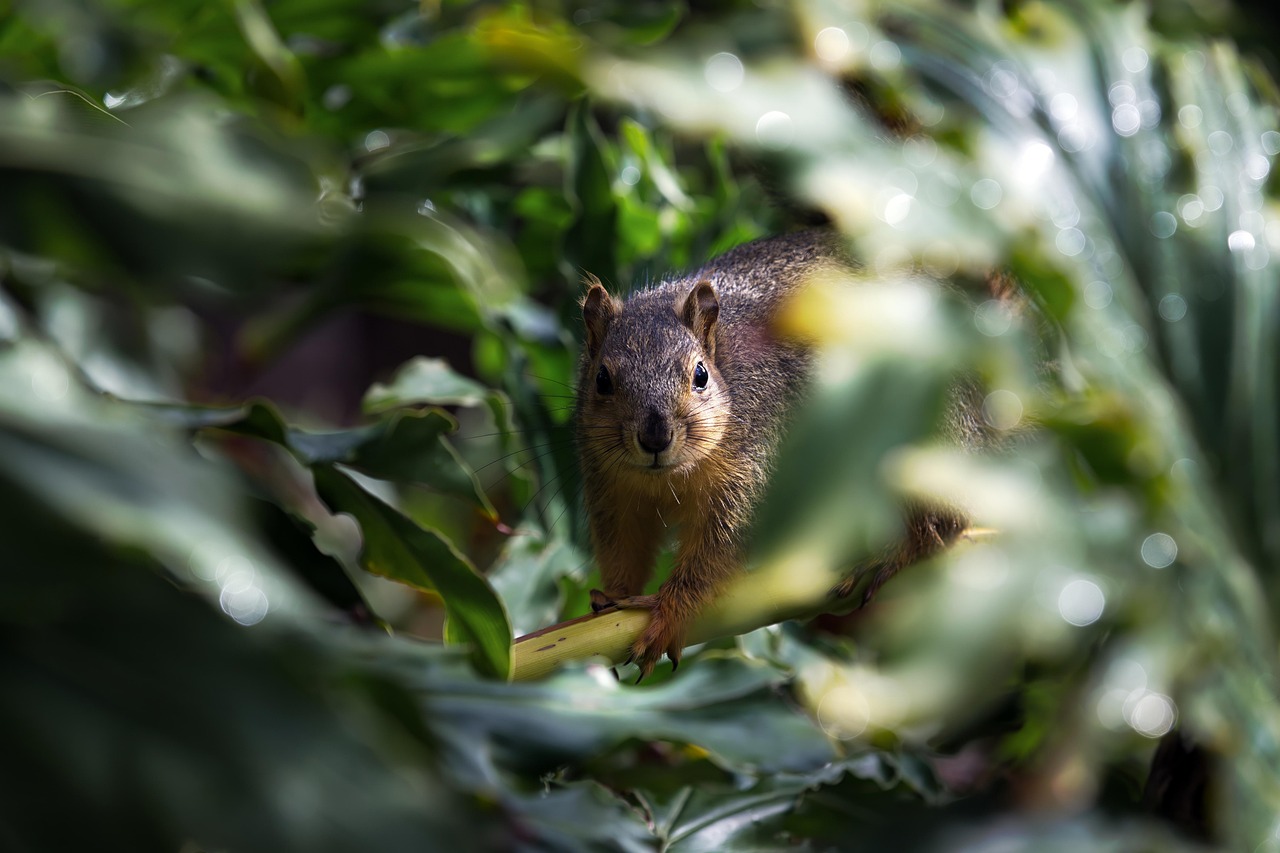
AggressiveMost common attic invader in the Bay Area.
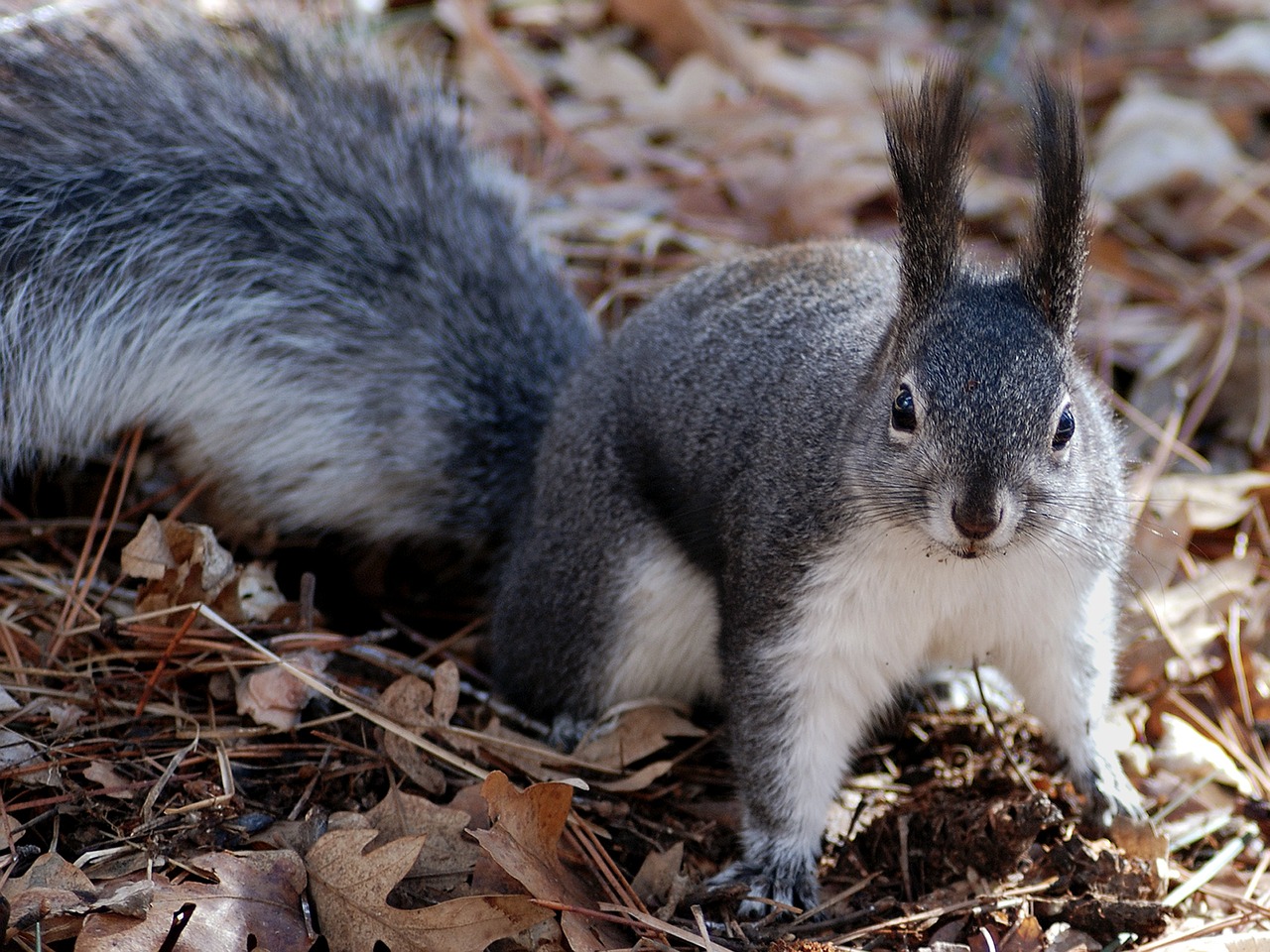
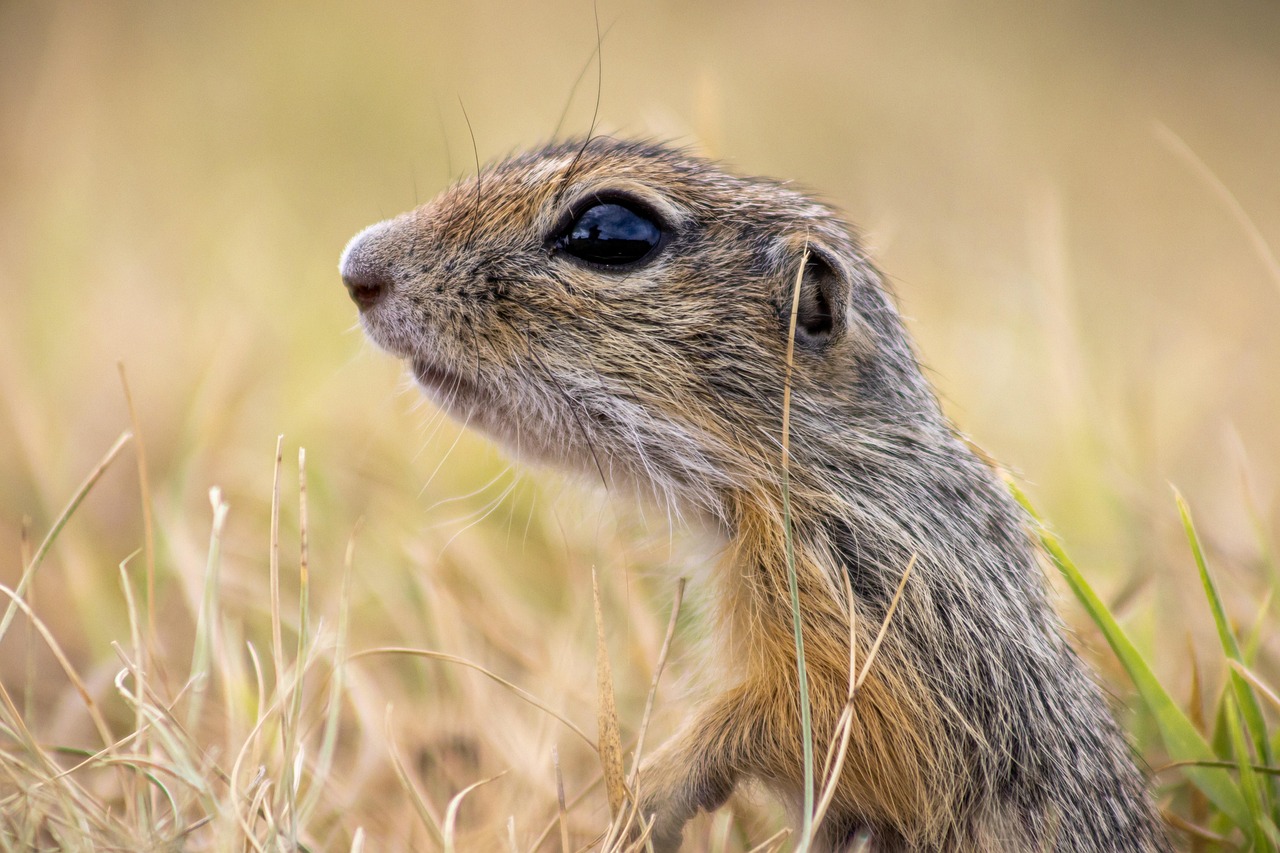
Most CommonLarger native species with silver-gray coat.
Native Species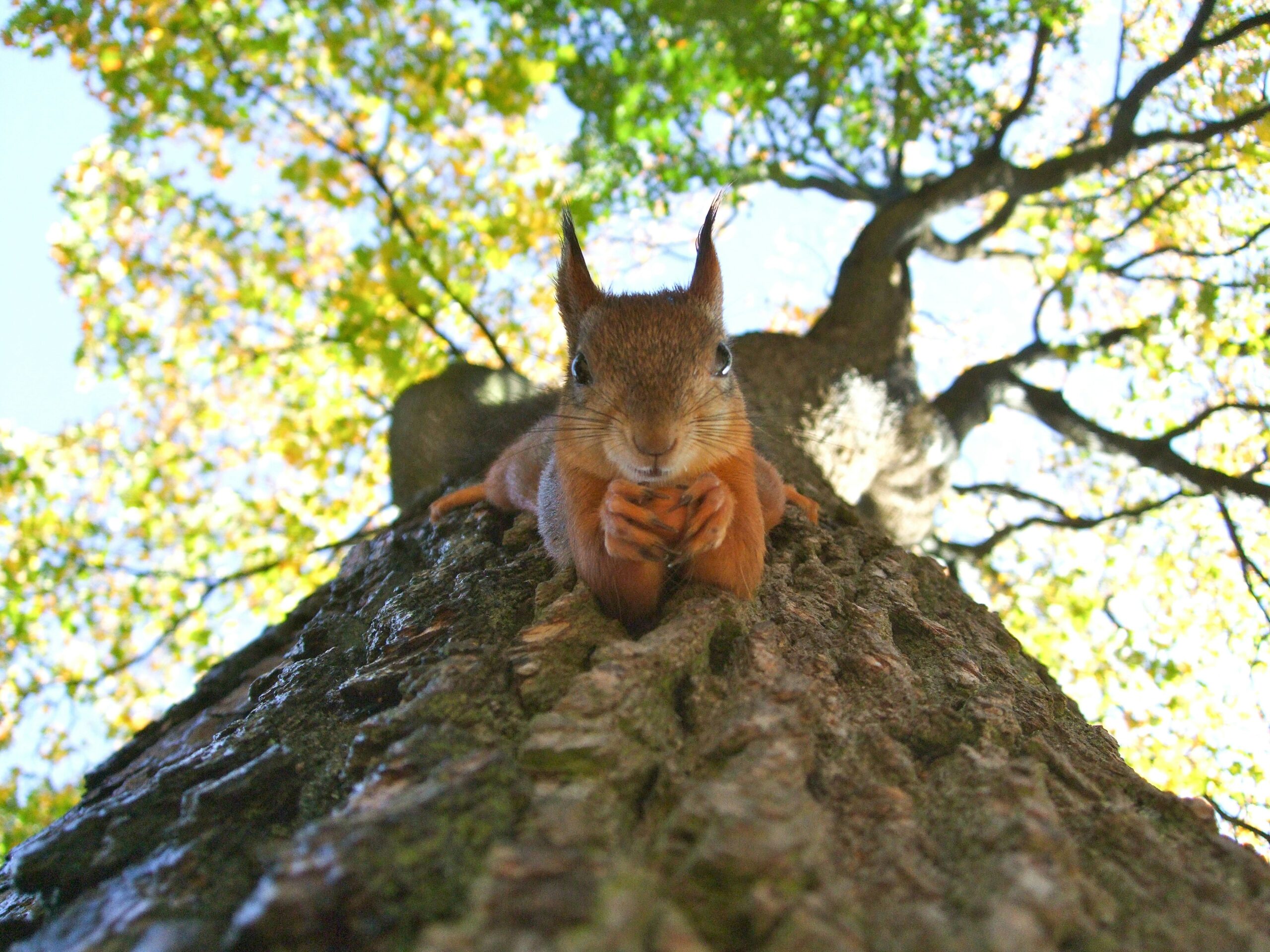 Caught in the act!
Squirrels jump 10 feet and squeeze through 1.5-inch openings.
Find all entry points, runways, and nesting sites.
Install one-way doors that let squirrels leave but prevent re-entry.
Heavy-duty materials to permanently close all access points.
Check wiring for chew damage and recommend repairs.
Exclusion methods that are humane and permanently effective.
Real reviews from Google, Yelp & more — updated live.
What people ask most before scheduling pest control service.
Choose a service, check eligibility, then select a date and arrival window. Your appointment is not booked until you confirm it.
ATCO does not provide honeybee removal or relocation. For honeybee swarms or colonies, contact a local beekeeper or honeybee relocation specialist directly.
Select one service below. The next step opens automatically. For termites, also choose whether you want a specific-area/second-opinion inspection or a whole-home/property inspection.
Service eligibility is checked for your ZIP code in the next step.
Enter the service ZIP code and wait for the check. If the driving-range check appears, enter the service address and select Check driving range. Then check the owner-occupied, single-family, adult decision-maker box. The next step opens automatically after eligibility is verified and that box is checked.
A ZIP check confirms service-area eligibility; property requirements must also be confirmed below.
We'll check this ZIP with our scheduling service.
Select an available date on the calendar. The arrival-window step opens automatically after you choose a date. If dates do not load, select Refresh availability.
Select one available arrival window. The contact-information step opens automatically after you choose it.
Select a date to see available windows.
Your technician will arrive within the selected window.
Complete the required fields, including the service address and home details. Select Review Appointment when finished. If an address suggestion appears, review it and select Use this address and review to continue. Review Appointment does not book the appointment.
Check the appointment and contact details. In the card-on-file section, check the acknowledgement and select Yes, No, or I'm not sure. Then select Confirm Appointment to submit the booking. It is not booked before you confirm.
Appointment
Your Information
About Your Home
Your appointment is booked. Select Done to close this window. ATCO may call if a card-on-file follow-up is needed.
Questions or changes? Call (833) ECO-ATCO.
Don't Miss Out!
Claim your exclusive discount and save 12% OFF your pest control service.
Limited time offer for Bay Area residents
Redeem This Coupon