
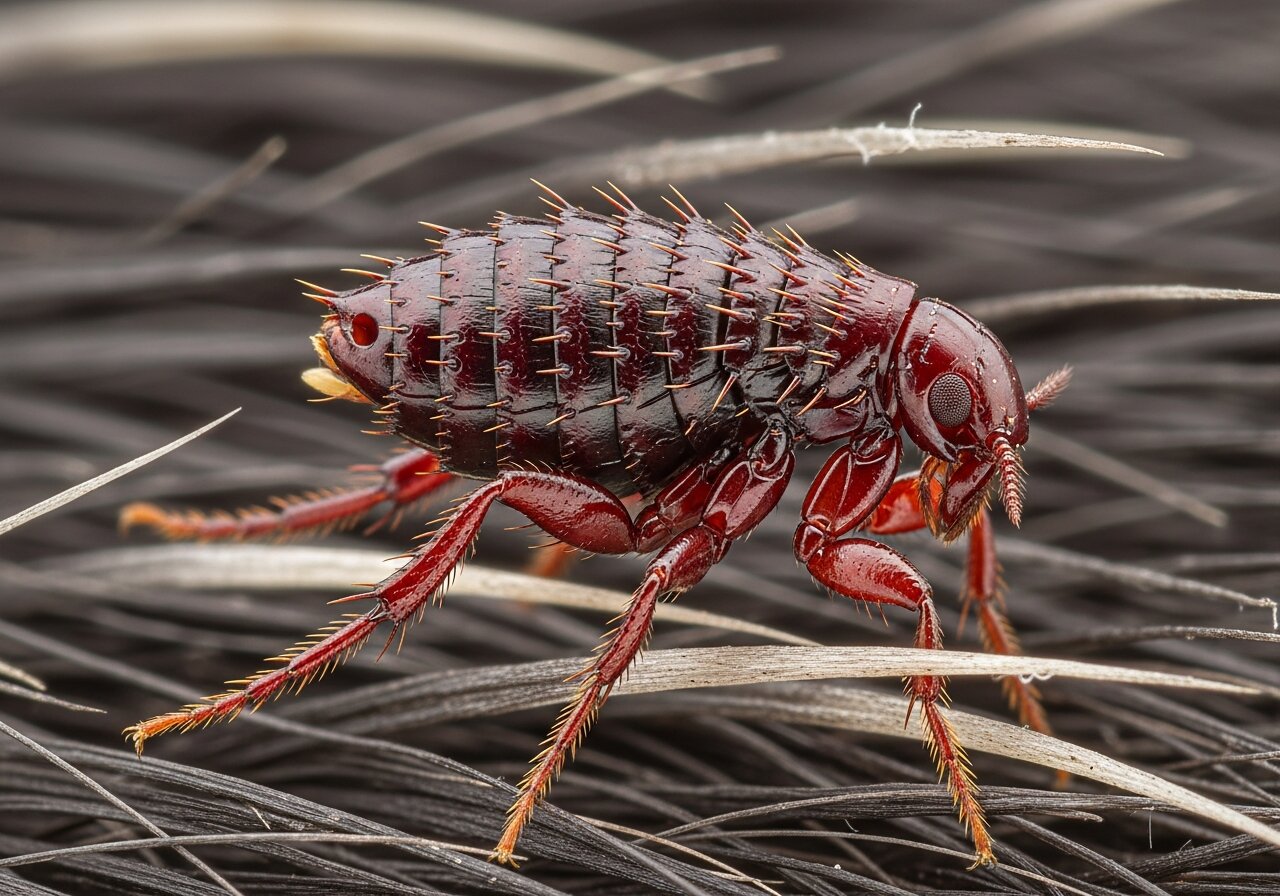
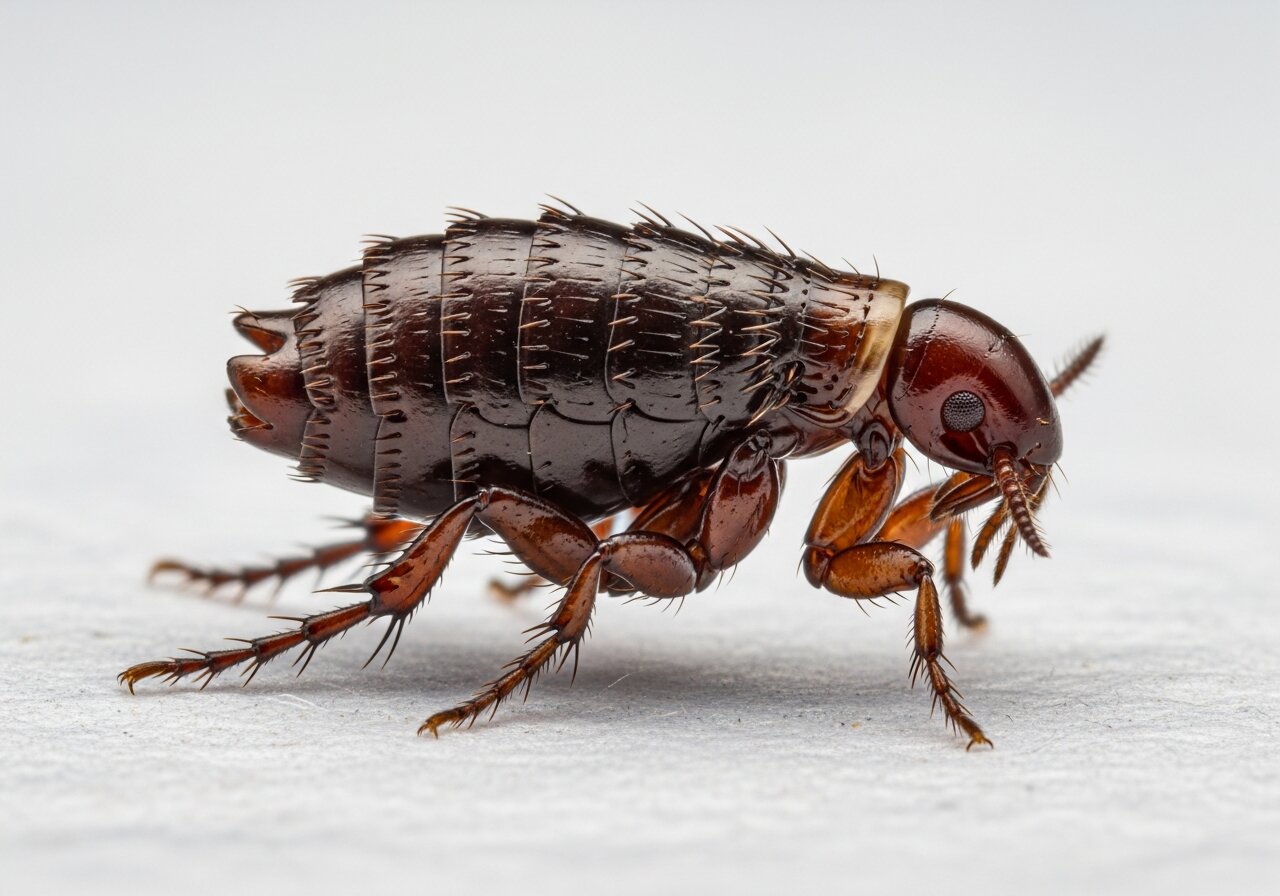
Appearance
We eliminate fleas and ticks with natural, state-licensed treatments.
 Lyme Risk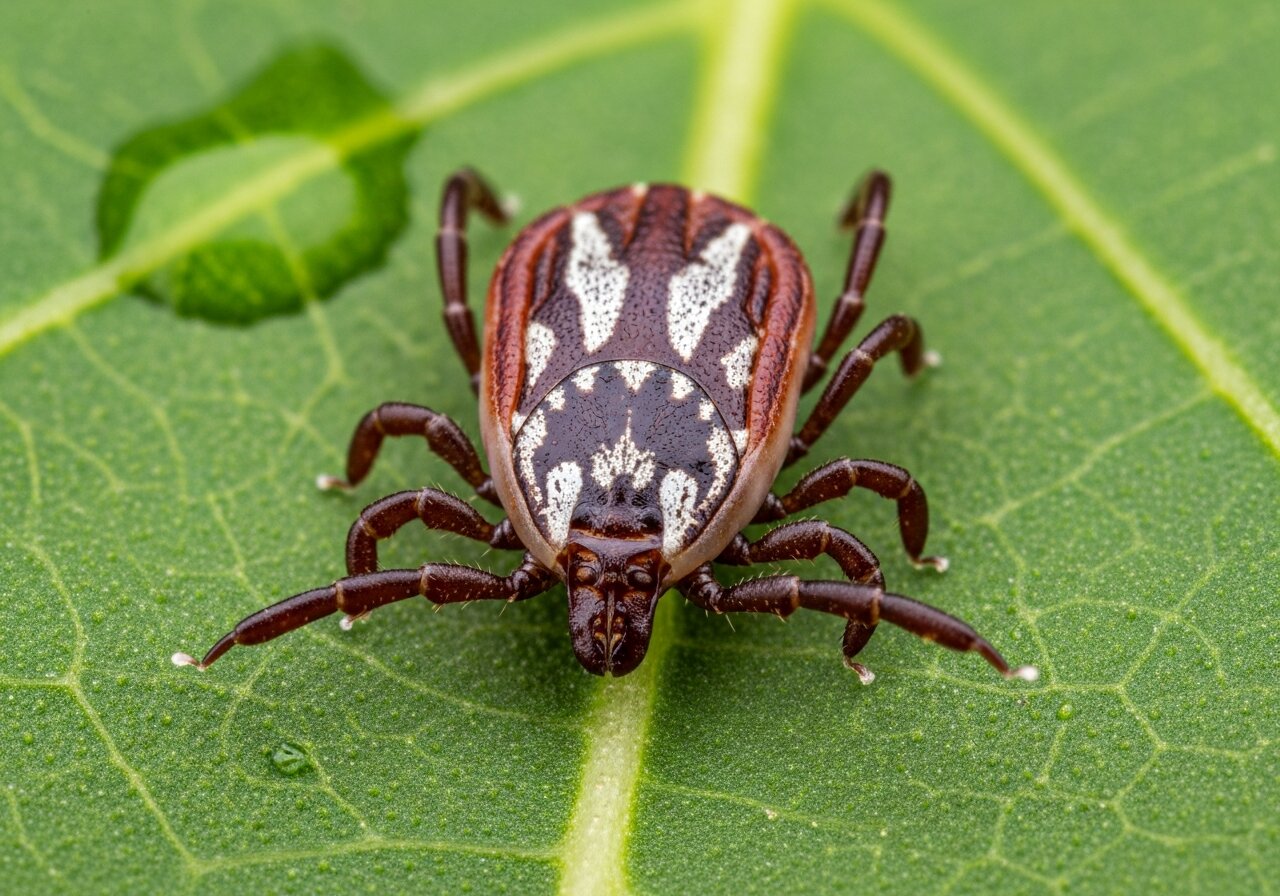

Launder all pet beds, blankets, and covers in hot water to eliminate flea eggs and larvae before treatment.

Thoroughly vacuum every carpet, rug, and upholstered surface. This removes eggs and stimulates pupae to hatch for more effective treatment.

Cut grass short and trim shrubs to reduce flea and tick habitat in your yard.

Coordinate with your vet to have pets on flea and tick preventative medication before or during treatment.

Pick up toys, shoes, and clothing from floors so the technician can treat all carpet and floor surfaces completely.

Arrange for pets to stay off treated surfaces for the specified time after treatment to ensure effectiveness.
Tap a card to learn what it means for your family and pets — and what ATCO does about it.
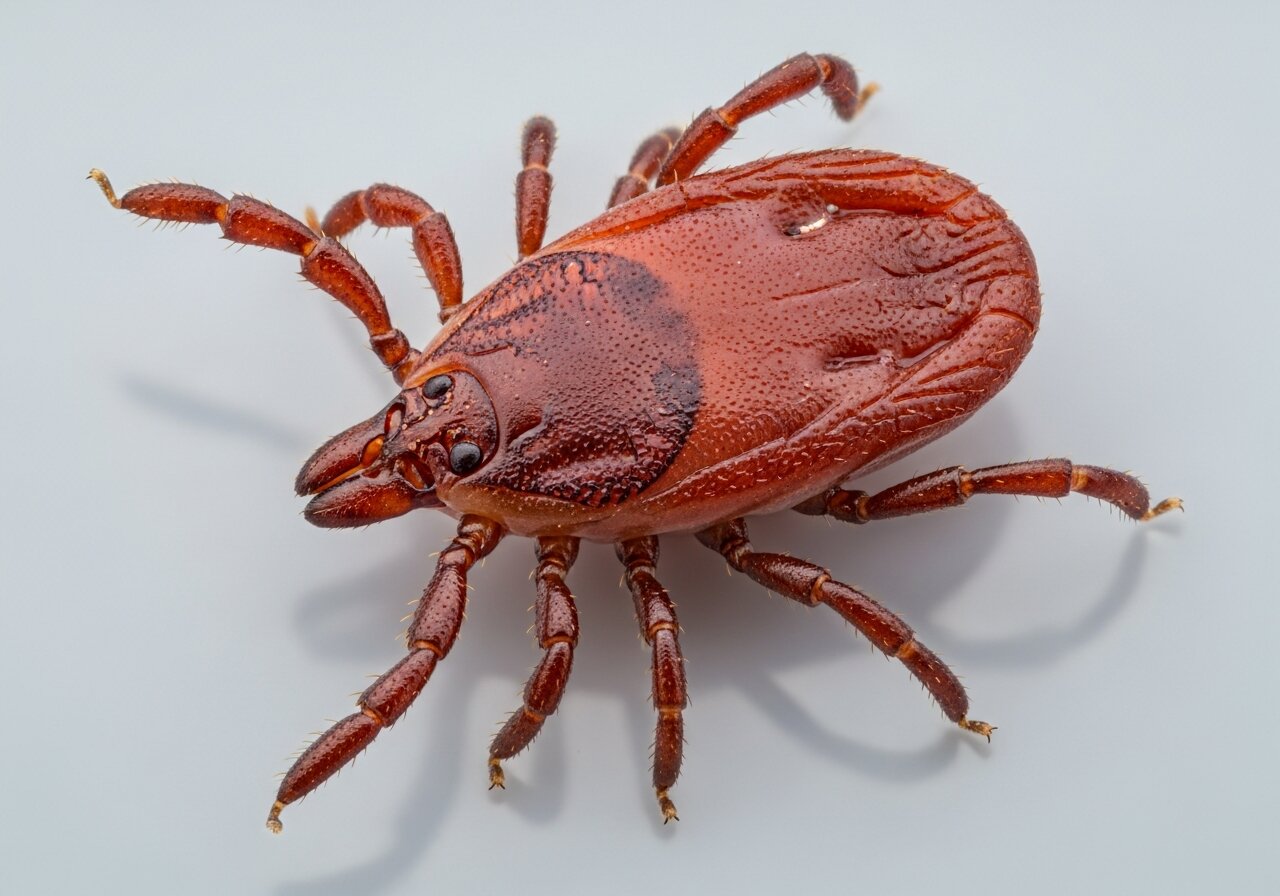
A flea jumps 7 inches straight up — 150× its body height. That's how they move from your pet to your couch to you in seconds.
Schedule ConsultationOne flea lays up to 50 eggs per day. Those eggs fall into your carpet and bedding, hatching days later — you must treat pets AND the home.
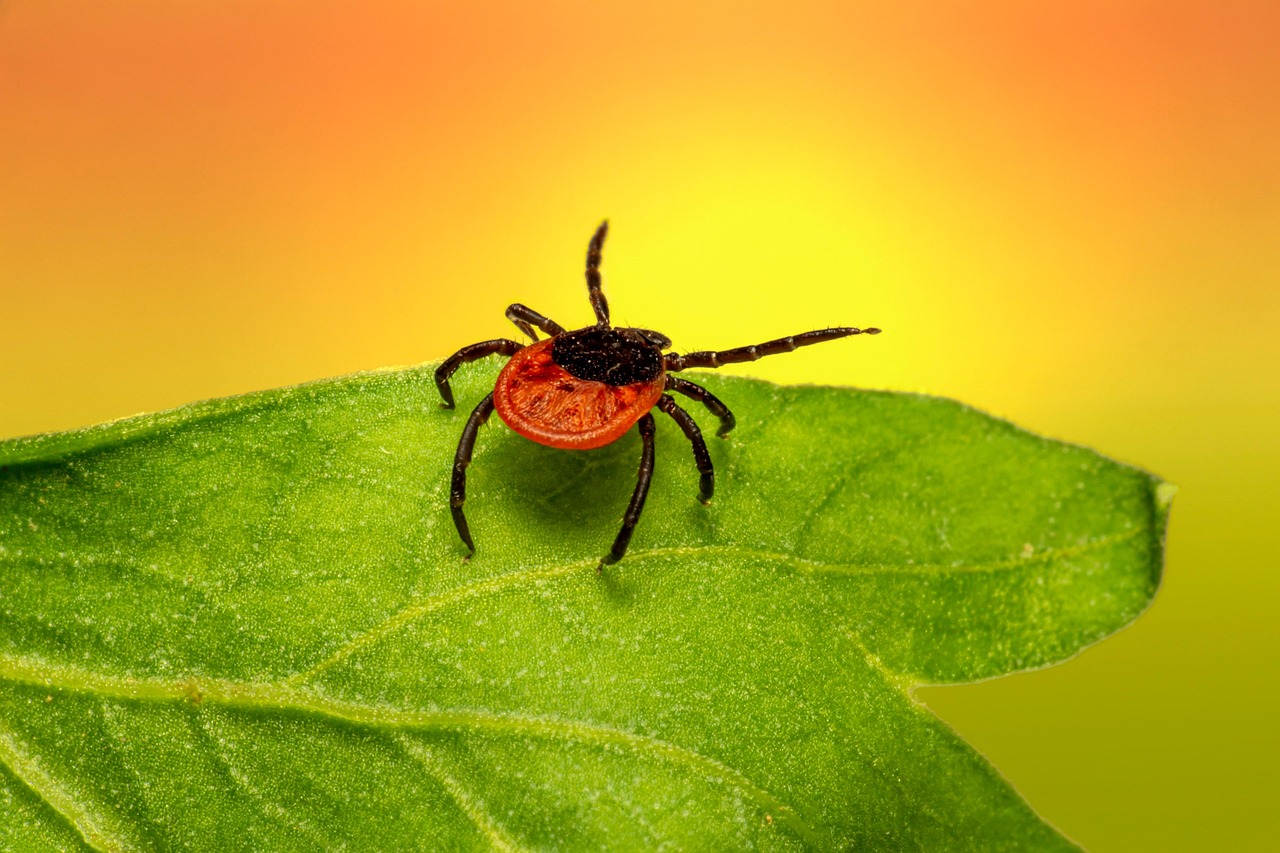
Schedule ConsultationRemove a tick within 36 hours and your Lyme risk drops dramatically. Daily tick checks after outdoor time are essential in the Bay Area.
Schedule ConsultationChronic Lyme causes long-term joint pain, fatigue, and cognitive issues. Professional yard treatment breaks the tick cycle before bites happen.
Schedule ConsultationYour dog brings in 10 fleas. Within 30 days, your carpet has 1,000 eggs. Treat pets AND the home simultaneously — one without the other fails.
Schedule ConsultationATCO treats yard, entry points, and indoor environment. One visit stops new hatching for 90 days and breaks the flea and tick life cycle.
Schedule ConsultationLook for pets scratching excessively, tiny black specks (flea dirt) on pet bedding or furniture, and small red bite marks on ankles and lower legs. For ticks, check your pets and family for attached parasites after time outdoors, especially behind ears, between toes, and along the hairline.
Fleas hitch rides indoors on pets, clothing, or used furniture. Tall grass, leaf litter, and shady vegetation in your yard create ideal tick habitat. Wildlife like raccoons, opossums, and stray cats passing through your property can deposit flea eggs and ticks in your yard.
Ticks transmit Lyme disease, Rocky Mountain Spotted Fever, and other serious illnesses. Fleas can cause allergic dermatitis in pets, transmit tapeworms, and trigger secondary skin infections. Heavy flea infestations on young or small pets can even lead to anemia.
Over-the-counter flea bombs and sprays miss eggs and pupae hidden deep in carpet fibers and upholstery. Flea pupae can remain dormant for months, hatching long after treatment. A professional approach targets every life stage — eggs, larvae, pupae, and adults — to break the cycle completely.
Fleas are most active in warm, humid months (spring through fall), but indoor infestations can persist year-round in heated homes. Ticks are active whenever temperatures are above 40°F, with peak activity in spring and early summer. In the Bay Area's mild climate, both pests can be a concern nearly all year.
Keep pets on year-round flea and tick preventatives recommended by your vet. Vacuum carpets and upholstery frequently, wash pet bedding in hot water weekly, and keep your lawn mowed short. Create a gravel or mulch barrier between wooded areas and your yard to reduce tick migration onto your property.
Year-round flea and tick medication is the single most effective step. Consult your vet for the right product.
Vacuum carpets, rugs, and upholstery regularly to pick up flea eggs, larvae, and pupae. Empty the bag outside immediately.
Keep grass trimmed, remove leaf litter, and clear brush. Ticks thrive in tall, shady vegetation.
After hiking, check yourself, children, and pets thoroughly. Ticks attach in hidden areas like behind ears, underarms, and scalp.
Hot-water washing pet beds and blankets weekly breaks the flea lifecycle and prevents reinfestation.
A 3-foot barrier of gravel or wood chips between your lawn and wooded areas deters ticks from crossing into your yard.
Basic flea collars only protect near the neck. Vet-recommended oral or topical treatments provide full-body protection.
Squeezing can push disease-carrying fluids into the wound. Use fine-tipped tweezers and pull straight out with steady pressure.
Flea pupae lie dormant for months. Stopping after one round often leads to reinfestation from eggs you can't see.
A hot match can cause the tick to regurgitate bacteria into the wound, increasing infection risk. Use tweezers instead.
Ticks ride in on deer and wildlife, hiding in shady areas waiting for hosts.
Ticks carry Lyme Disease, Rocky Mountain Spotted Fever, and other dangerous illnesses.
We use natural treatments to reduce tick populations and deter wildlife.
Fleas hitch rides on wildlife and pets, quickly infesting your home and carpets.
We guarantee complete elimination using natural, family-friendly products.
Serving Marin, Sonoma, San Francisco, San Mateo, Santa Clara, Alameda, Contra Costa & Solano Counties
Schedule a Consultation (833) ECO-ATCOReal reviews from Google, Yelp & more — updated live.
What Bay Area residents search for most about flea and tick control.
Choose a service, check eligibility, then select a date and arrival window. Your appointment is not booked until you confirm it.
ATCO does not provide honeybee removal or relocation. For honeybee swarms or colonies, contact a local beekeeper or honeybee relocation specialist directly.
Select one service below. The next step opens automatically. For termites, also choose whether you want a specific-area/second-opinion inspection or a whole-home/property inspection.
Service eligibility is checked for your ZIP code in the next step.
Enter the service ZIP code and wait for the check. If the driving-range check appears, enter the service address and select Check driving range. Then check the owner-occupied, single-family, adult decision-maker box. The next step opens automatically after eligibility is verified and that box is checked.
A ZIP check confirms service-area eligibility; property requirements must also be confirmed below.
We'll check this ZIP with our scheduling service.
Select an available date on the calendar. The arrival-window step opens automatically after you choose a date. If dates do not load, select Refresh availability.
Select one available arrival window. The contact-information step opens automatically after you choose it.
Select a date to see available windows.
Your technician will arrive within the selected window.
Complete the required fields, including the service address and home details. Select Review Appointment when finished. If an address suggestion appears, review it and select Use this address and review to continue. Review Appointment does not book the appointment.
Check the appointment and contact details. In the card-on-file section, check the acknowledgement and select Yes, No, or I'm not sure. Then select Confirm Appointment to submit the booking. It is not booked before you confirm.
Appointment
Your Information
About Your Home
Your appointment is booked. Select Done to close this window. ATCO may call if a card-on-file follow-up is needed.
Questions or changes? Call (833) ECO-ATCO.
Don't Miss Out!
Claim your exclusive discount and save 10% OFF your pest control service.
Limited time offer for Bay Area residents
Redeem This Coupon