
Appearance


Mark active mound locations with small flags or stakes so your technician can quickly identify problem areas.

Record when new mounds first appeared and how quickly they've spread. This helps assess activity levels.

Lightly water the day before your appointment. Moist soil makes tunnels easier to locate and treat.

Keep pets indoors during treatment for their well-being and to let the technician work uninterrupted.

Remove garden tools, hoses, and other items from areas near active mounds for full technician access.

Take photos of garden or landscape damage. This helps your technician understand the scope immediately.
Tap a card to learn what it means for your yard — and what ATCO does about it.
A single mole creates a tunnel network that undermines irrigation lines, plant roots, and your entire lawn in a single overnight session.
Schedule ConsultationA pocket gopher moves 200 lbs of soil per year — enough to bury plants, crack a sprinkler system, and shift a pathway overnight.
Schedule ConsultationGophers tunnel 1–6 feet deep. Surface repellents and traps do nothing at those depths — professional baiting is the only solution that works.
Schedule ConsultationOne colony spreads across 2 acres of burrows — undermining slabs, driveways, and fence lines. Whole-property treatment is essential.
Schedule ConsultationCastor oil, vibration stakes, and mothballs provide zero lasting results per UC ANR research. Professional APM baiting is the only proven solution.
Schedule ConsultationOur specialists use proven baiting and exclusion methods backed by UC APM guidelines. We get lasting results — not just temporary relief.
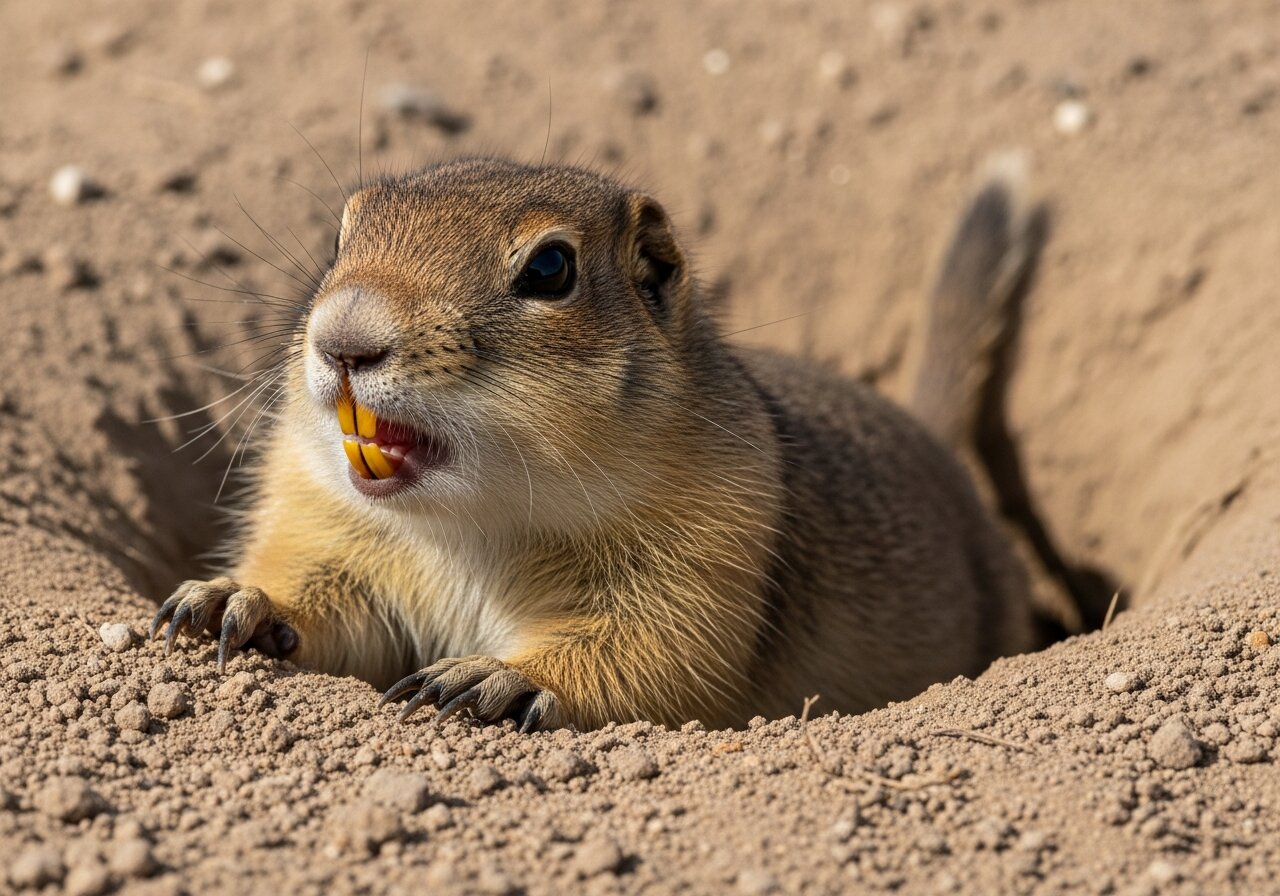
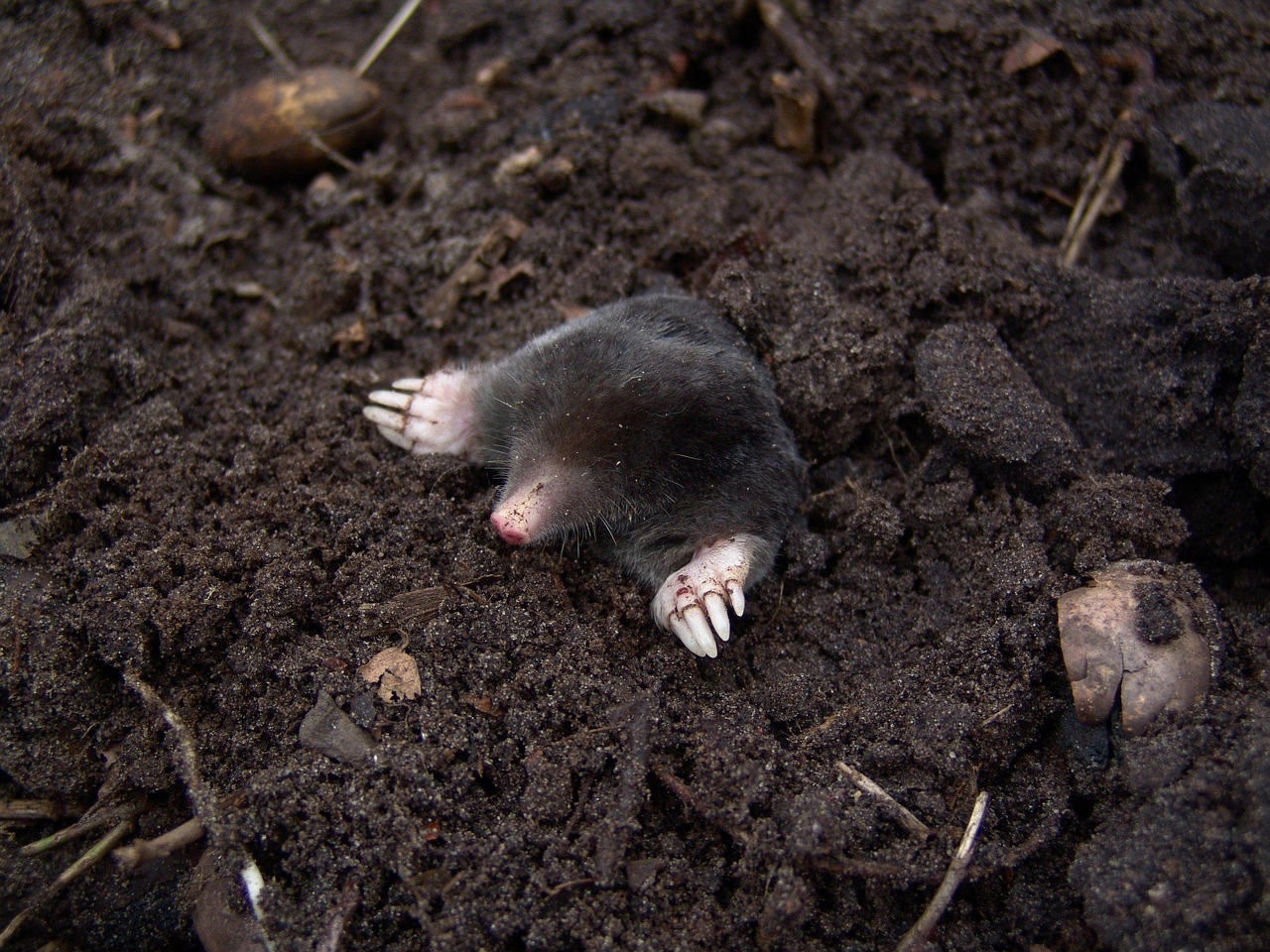
Schedule ConsultationCrescent-shaped dirt mounds indicate gophers, while raised surface ridges signal moles. Wilting or dying plants, uneven ground, and holes appearing overnight are all telltale signs of burrowing pest activity in your yard.
Gophers are drawn to gardens, flower beds, and root-heavy lawns. Moles follow grubs, earthworms, and other soil insects. Well-irrigated, nutrient-rich lawns provide an ideal habitat for both pests.
Gophers destroy plant roots, vegetable gardens, and irrigation lines. Mole tunnels undermine lawns, sidewalks, and driveways. A single gopher can move over a ton of soil per year, causing serious landscape and structural damage.
Gophers and moles are active year-round in California, but tunneling increases in spring and fall when soil is moist and easy to dig. You may notice more mounds after rain or irrigation.
Vibration stakes, flooding, and gas cartridges rarely work—gophers seal off tunnels and moles simply dig new routes. Without locating the main tunnel system, store-bought traps are usually placed incorrectly and miss the target entirely.
If you see fresh mounds appearing daily, plants dying without explanation, or your irrigation system keeps breaking, it's time for professional help. Early intervention prevents extensive lawn and landscape damage that becomes costly to repair.
Place galvanized gopher wire mesh under new lawns, raised beds, and around valuable plants to block root access.
Plant trees and shrubs inside wire baskets to protect root systems. Especially effective for newly planted landscaping.
Moles follow their food. Treating your lawn for grubs and soil insects makes it less attractive to hungry moles.
Don't wait for extensive damage. Call a professional the moment you spot fresh mounds or raised tunnels.
Gophers dislike gopher spurge, lavender, rosemary, and daffodils. Planting these around garden beds can discourage tunneling.
Install owl nesting boxes to attract barn owls, which consume up to 1,000 rodents per year per family.

Pouring water into tunnels rarely works—they simply dig new passages. It wastes water and can destabilize your lawn.
Gas cartridges are largely ineffective—gophers quickly seal off tunnels. They also pose a risk to pets and children.
Strong rodenticides risk secondary poisoning if pets eat a poisoned gopher. Professional trapping is the family-friendly alternative.
Solar-powered vibration stakes and ultrasonic repellers have no proven effectiveness. Studies show gophers quickly ignore them.
Surface tunnels damage your lawn's health and appearance.
Deep tunnels destroy root systems and damage landscaping.
Map tunnel systems and identify the burrowing pest.
Gentle trapping with no harsh chemicals.
Natural bait that mimics natural food sources.
Follow-up visits to keep your lawn protected.
Early intervention prevents extensive lawn damage.
We use trapping over harsh rodenticides to protect your pets and family.
Serving Marin, Sonoma, San Francisco, San Mateo, Santa Clara, Alameda, Contra Costa & Solano Counties
Schedule a Consultation (833) ECO-ATCOReal reviews from Google, Yelp & more — updated live.
What Bay Area homeowners search for most about gopher and mole removal.
Choose a service, check eligibility, then select a date and arrival window. Your appointment is not booked until you confirm it.
ATCO does not provide honeybee removal or relocation. For honeybee swarms or colonies, contact a local beekeeper or honeybee relocation specialist directly.
Select one service below. The next step opens automatically. For termites, also choose whether you want a specific-area/second-opinion inspection or a whole-home/property inspection.
Service eligibility is checked for your ZIP code in the next step.
Enter the service ZIP code and wait for the check. If the driving-range check appears, enter the service address and select Check driving range. Then check the owner-occupied, single-family, adult decision-maker box. The next step opens automatically after eligibility is verified and that box is checked.
A ZIP check confirms service-area eligibility; property requirements must also be confirmed below.
We'll check this ZIP with our scheduling service.
Select an available date on the calendar. The arrival-window step opens automatically after you choose a date. If dates do not load, select Refresh availability.
Select one available arrival window. The contact-information step opens automatically after you choose it.
Select a date to see available windows.
Your technician will arrive within the selected window.
Complete the required fields, including the service address and home details. Select Review Appointment when finished. If an address suggestion appears, review it and select Use this address and review to continue. Review Appointment does not book the appointment.
Check the appointment and contact details. In the card-on-file section, check the acknowledgement and select Yes, No, or I'm not sure. Then select Confirm Appointment to submit the booking. It is not booked before you confirm.
Appointment
Your Information
About Your Home
Your appointment is booked. Select Done to close this window. ATCO may call if a card-on-file follow-up is needed.
Questions or changes? Call (833) ECO-ATCO.
Don't Miss Out!
Claim your exclusive discount and save 12% OFF your pest control service.
Limited time offer for Bay Area residents
Redeem This Coupon