
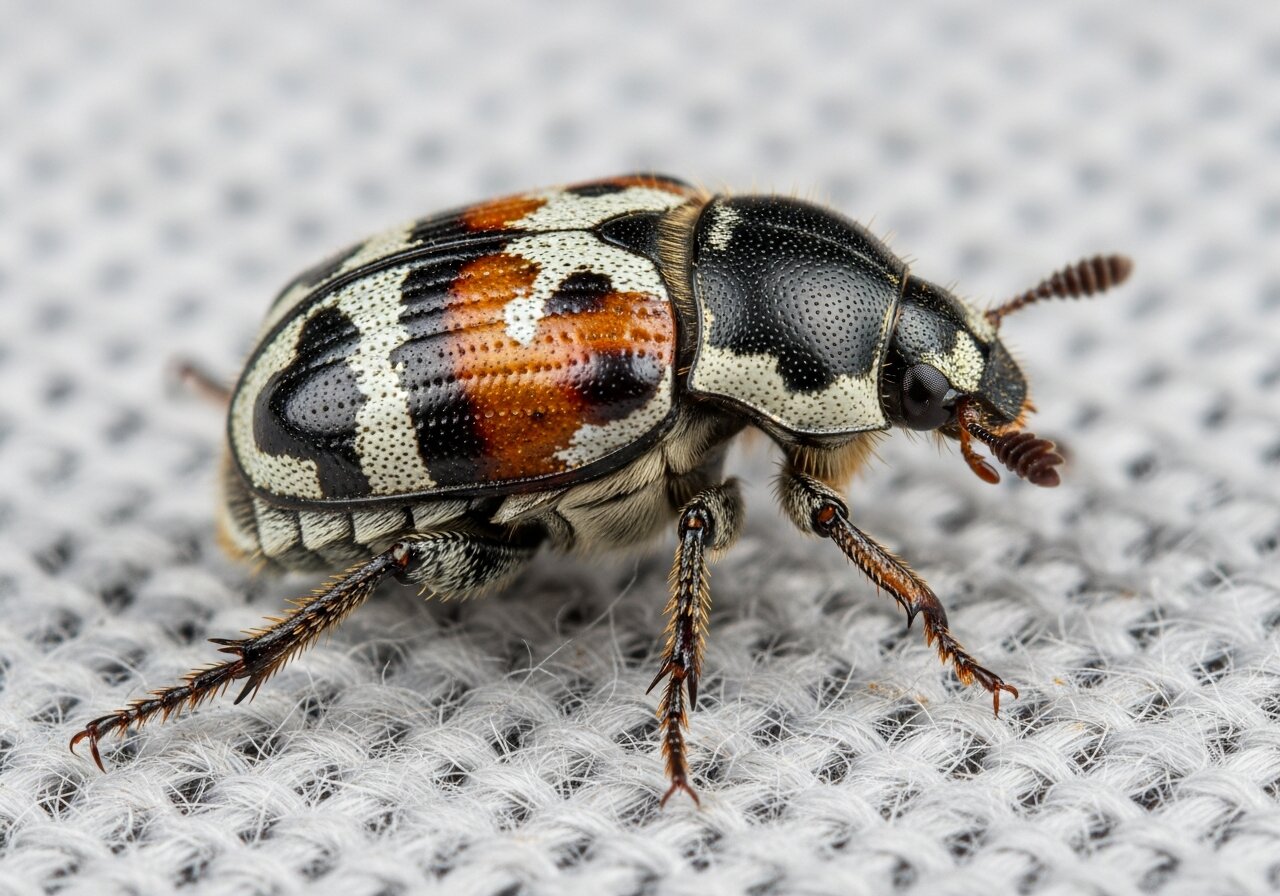
Appearance
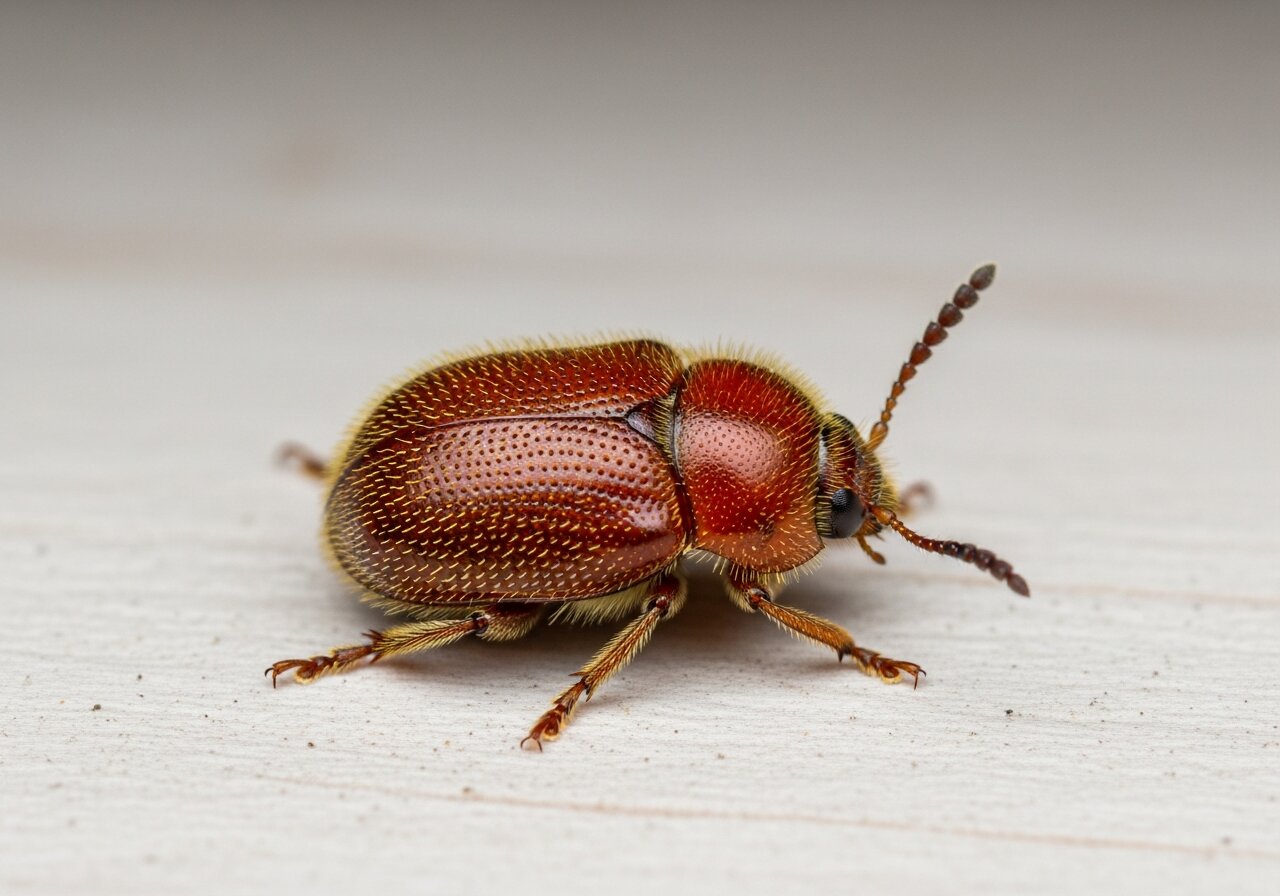
Larvae devour wool, silk, and leather in carpets and clothing.
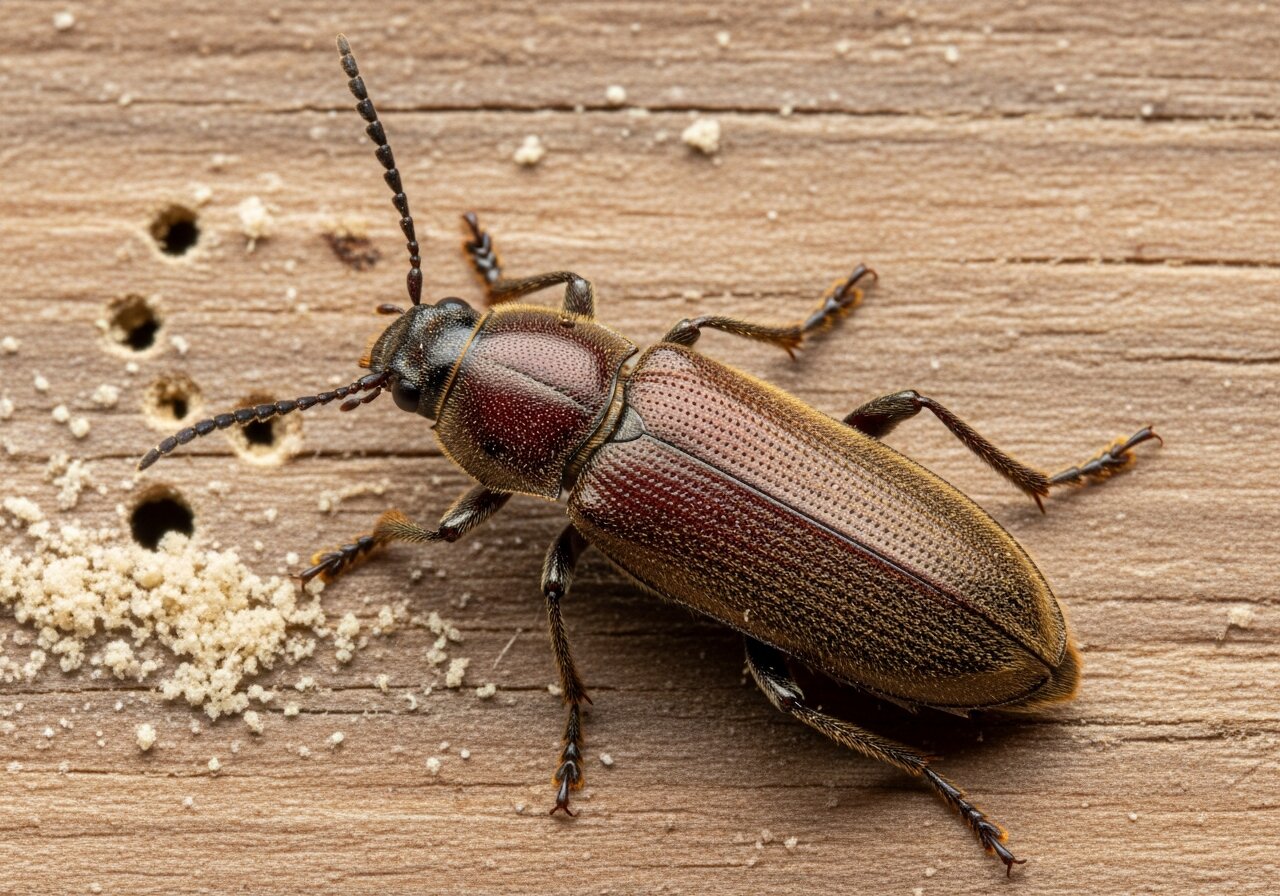
Wood-boring beetles tunnel through hardwood, weakening floors and beams.
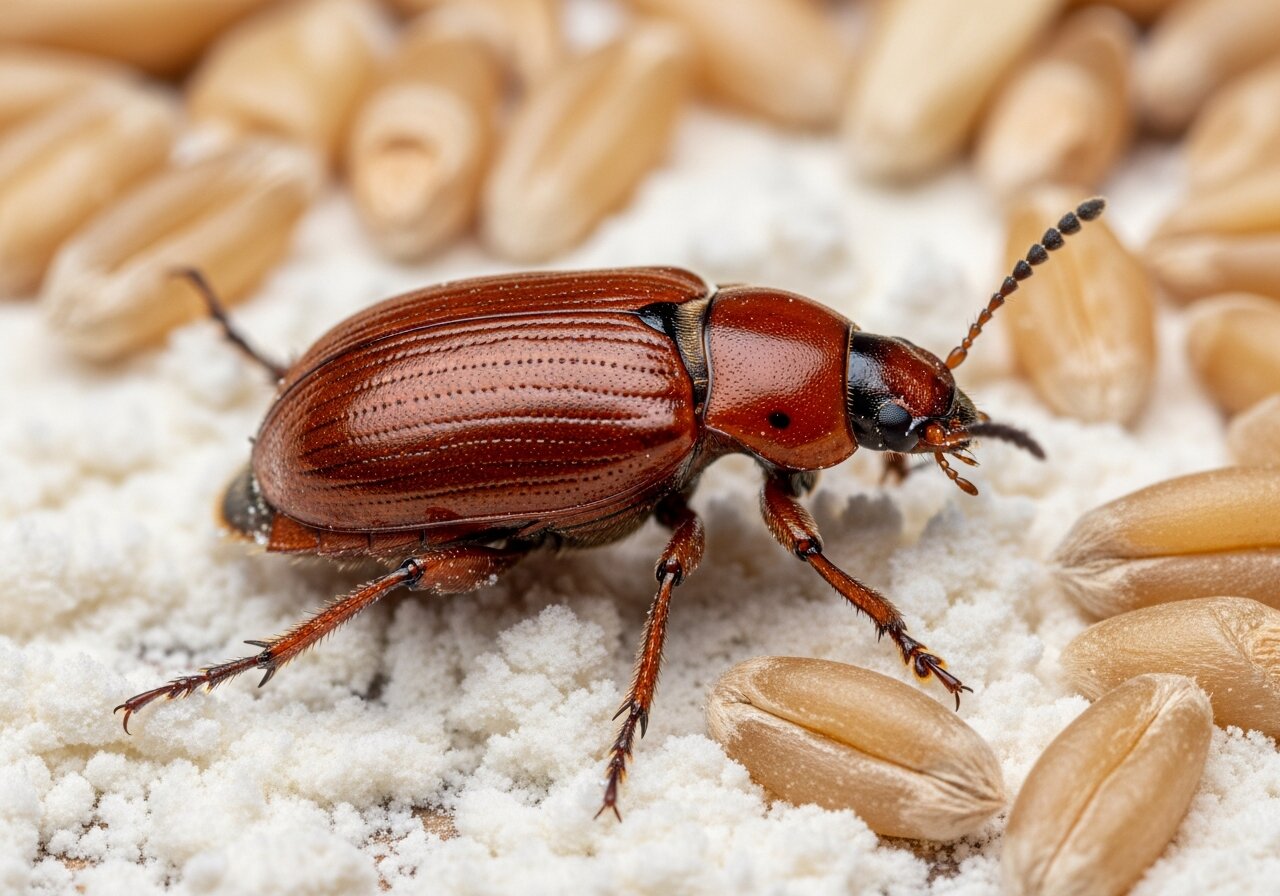
Pantry beetles contaminate grains, spices, and packaged goods.
Untreated infestations lead to expensive replacements.
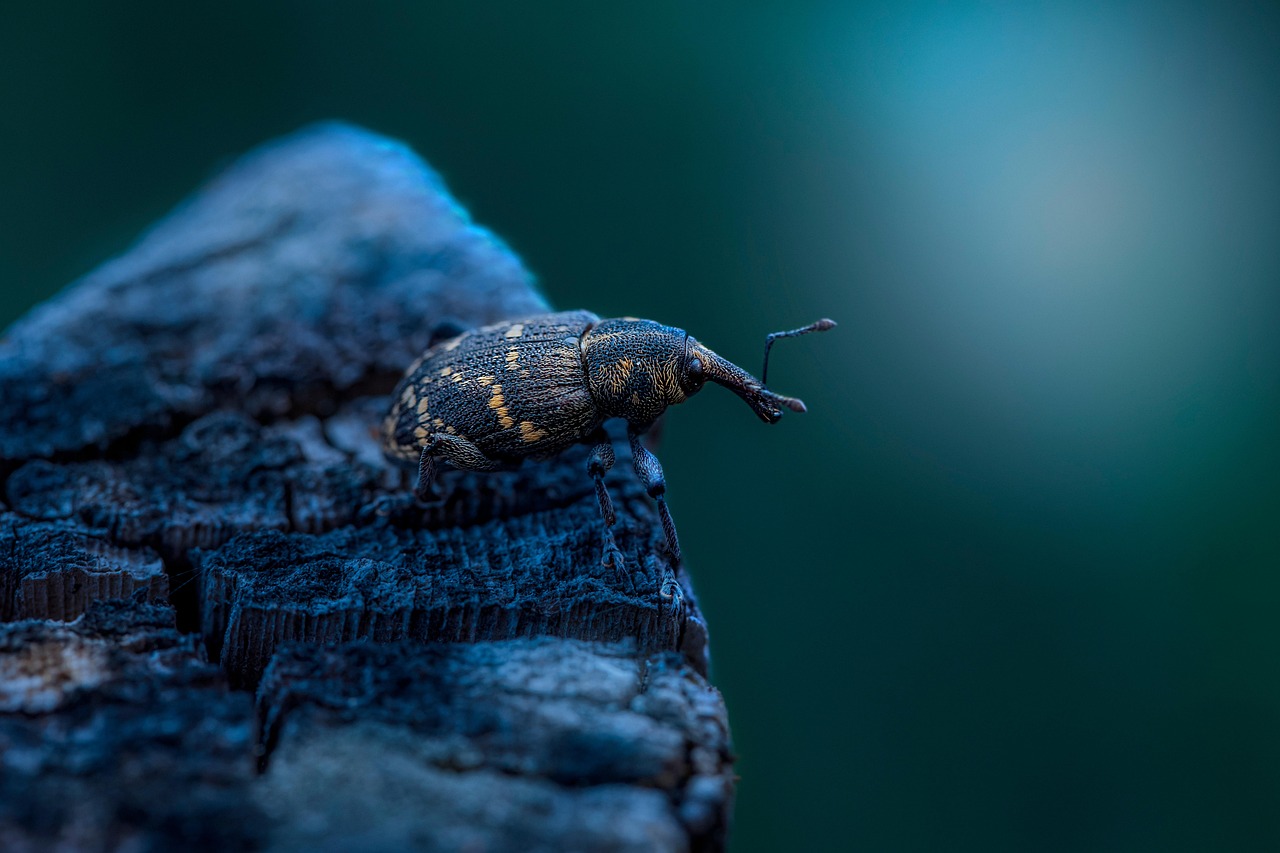
Six beetle types ATCO technicians handle throughout the Bay Area — each damages a different part of your home.



Separate infested clothing, pantry goods, or stored items from unaffected belongings to prevent further spread.

Thoroughly vacuum closet floors, pantry shelves, and any crevices where beetles or larvae may be hiding.

Throw away food with beetle activity. Seal in bags before disposing to contain the problem.

Move furniture slightly away from walls for technician access to baseboards and hidden areas.

Write down where you've seen beetles, larvae, or damage. This helps target the right areas immediately.

Collect any infested wood samples with exit holes or damage. This helps identify the species for targeted treatment.
Tap a card to learn what it means for your home — and what ATCO does about it.
You may see exit holes years after larvae first entered your hardwood. By then, significant structural damage is already done.
Schedule ConsultationBeetles are the most species-diverse insect group on Earth — which means proper ID is critical before any treatment begins. We identify first.
Schedule ConsultationAn infested flour bag from the store spreads to every dry good in your pantry within weeks. Inspect everything in sealed containers.
Schedule ConsultationCarpet beetle larvae chew permanent holes through irreplaceable wool rugs, silk drapes, and cashmere. Treatment before damage = no loss.
Schedule ConsultationPowderpost beetles bore completely silently for years. By the time you see frass or exit holes, the damage is extensive and spreading.
Schedule ConsultationATCO identifies the species, extent of damage, and right treatment — before it reaches your other furniture or floors.
Schedule ConsultationLook for tiny round exit holes in wood, fine powdery dust (frass) near furniture or baseboards, damaged fabrics with irregular holes, and small brown or black beetles near windows and light fixtures.
Beetles are drawn to stored food products like flour and grains, natural fibers such as wool and silk, untreated or moisture-damaged wood, and outdoor lights near entry points. Firewood stored against the house is another common entry path.
Wood-boring beetles can weaken structural beams, hardwood floors, and furniture over time. Carpet beetles destroy wool rugs, clothing, and upholstery, while pantry beetles contaminate stored food, leading to costly replacements.
Contact a professional if you find exit holes spreading in wood, fabric damage keeps recurring despite cleaning, or you spot powderpost or wood-boring beetles. DIY sprays only treat the surface and won't reach larvae deep inside wood or textiles.
Adult beetles typically emerge in spring and summer, often appearing near windows as they seek light. Carpet beetle larvae are most active in warmer months, while pantry beetles can infest year-round in climate-controlled kitchens.
Store pantry items in airtight containers, keep wool and natural fibers in sealed bags with cedar, inspect firewood before bringing it inside, fix moisture issues in crawlspaces, and switch to yellow outdoor bulbs to reduce beetle attraction.
Frequent vacuuming of carpets, closets, and under furniture removes carpet beetle larvae and eggs before they cause damage.

Keep pantry items in airtight glass or plastic containers. Inspect grains and flour regularly.
Store wool, silk, and leather in sealed garment bags or bins with cedar blocks to deter carpet beetles.
Check firewood before bringing it inside. Store wood away from the house to prevent bark beetles and wood borers from entering.
Many beetles are attracted to bright lights. Switch to yellow or sodium-vapor bulbs near entry points and keep blinds closed at night.
Dry-clean or launder wool and fur items before seasonal storage. Carpet beetle larvae target soiled fabrics.
Tiny exit holes with powdery sawdust mean active wood-boring beetles. Ignoring them allows structural damage to spread silently.
Surface treatments won't reach larvae deep inside wood or fabric. Professional treatment targets beetles at every life stage.
Putting infested items back into closets or pantries spreads the problem. Discard heavily infested items or treat them professionally.
Many beetles are attracted to light. Use yellow bulbs outdoors and seal gaps around doors and windows.
Identify beetle species and locate all infestation sources.
Remove infested materials and eliminate breeding sites.
Species-specific wood, fabric, and residual barrier treatments.
Seal entry points and schedule follow-up monitoring.
Targeted, family-friendly treatments that eliminate beetles effectively.
Real reviews from Google, Yelp & more — updated live.
What people ask most before scheduling pest control service.
Choose a service, check eligibility, then select a date and arrival window. Your appointment is not booked until you confirm it.
ATCO does not provide honeybee removal or relocation. For honeybee swarms or colonies, contact a local beekeeper or honeybee relocation specialist directly.
Select one service below. The next step opens automatically. For termites, also choose whether you want a specific-area/second-opinion inspection or a whole-home/property inspection.
Service eligibility is checked for your ZIP code in the next step.
Enter the service ZIP code and wait for the check. If the driving-range check appears, enter the service address and select Check driving range. Then check the owner-occupied, single-family, adult decision-maker box. The next step opens automatically after eligibility is verified and that box is checked.
A ZIP check confirms service-area eligibility; property requirements must also be confirmed below.
We'll check this ZIP with our scheduling service.
Select an available date on the calendar. The arrival-window step opens automatically after you choose a date. If dates do not load, select Refresh availability.
Select one available arrival window. The contact-information step opens automatically after you choose it.
Select a date to see available windows.
Your technician will arrive within the selected window.
Complete the required fields, including the service address and home details. Select Review Appointment when finished. If an address suggestion appears, review it and select Use this address and review to continue. Review Appointment does not book the appointment.
Check the appointment and contact details. In the card-on-file section, check the acknowledgement and select Yes, No, or I'm not sure. Then select Confirm Appointment to submit the booking. It is not booked before you confirm.
Appointment
Your Information
About Your Home
Your appointment is booked. Select Done to close this window. ATCO may call if a card-on-file follow-up is needed.
Questions or changes? Call (833) ECO-ATCO.
Don't Miss Out!
Claim your exclusive discount and save 12% OFF your pest control service.
Limited time offer for Bay Area residents
Redeem This Coupon