
Appearance
A primary rabies carrier — never approach or corner one.
Droppings contain Baylisascaris roundworm eggs that cause serious neurological illness in humans.
Mother raccoons are fiercely protective and will attack pets and humans when cornered.
Strong enough to tear off shingles, rip apart soffits, and break through vent covers.
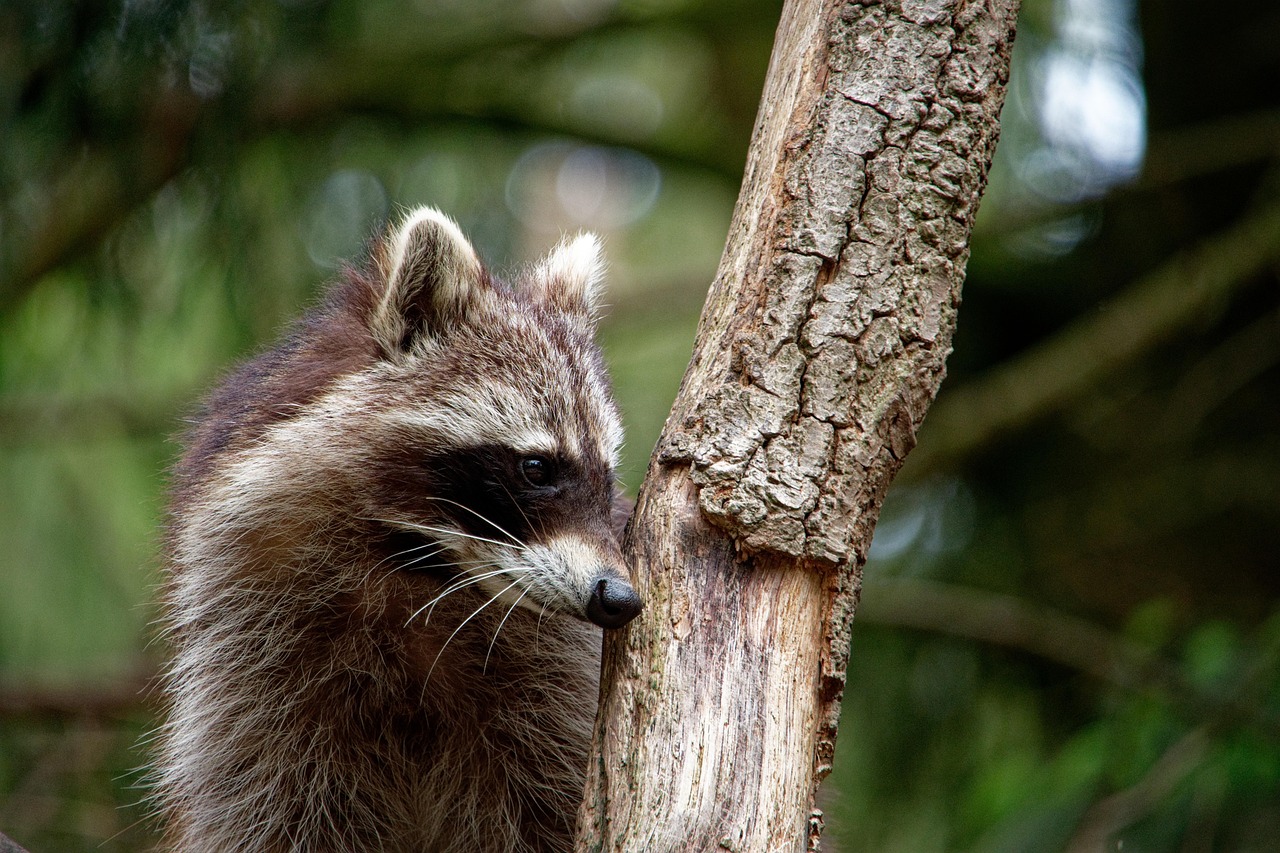

Use locking lids or bungee cords on all garbage and compost containers to eliminate easy food sources.

Remove all outdoor pet food and water bowls — one of the top attractants drawing raccoons to your property.

Write down where raccoons enter/exit and what times of night they're most active.

Take photos of torn shingles, damaged soffits, or ripped vent covers so your technician can prioritize repairs.

Raccoons can be aggressive and carry rabies. Leave trapping to licensed professionals.

Clear items blocking access to your crawl space entrance and attic hatch for a thorough inspection.
Tap a card to learn what it means for your home — and what ATCO does about it.
A raccoon family establishes a latrine and tears insulation and wires all in the first night. Act the moment you hear them.
Schedule ConsultationA 30-lb raccoon on your roof damages shingles and pulls back flashing to force its way into your attic in minutes.
Schedule ConsultationRaccoon feces carry leptospirosis and roundworm. Attic cleanup requires PPE and professional biohazard protocols — never DIY.
Schedule ConsultationA pregnant female choosing your attic as her den gives birth to 4–7 kits — and they'll all grow up there if not removed promptly.
Schedule ConsultationMothballs, coyote urine, and bright lights do nothing on habituated Bay Area raccoons. Physical exclusion is the only solution that works.
Schedule ConsultationActive wildlife in your structure is an emergency. ATCO offers same-day response for attic invasions — humane, legal, and permanent.
Schedule ConsultationOverturned trash cans, torn soffit or roof vents, large droppings on your roof or deck, and scratching sounds in the attic at night are all common signs. Raccoons also leave muddy paw prints near entry points and on downspouts.
Unsecured garbage, pet food left outdoors, fallen fruit, bird feeders, and open compost bins are top attractants. Raccoons also seek warm attic spaces for denning, especially in spring when raising their young.
Raccoons are a primary rabies carrier and their droppings contain Baylisascaris roundworm, which causes serious neurological illness in humans. They tear up insulation, chew wiring creating fire hazards, and cause thousands of dollars in attic and roof damage.
Attics are the most common nesting site—raccoons enter through damaged soffits, roof vents, and gaps where the roof meets the fascia. They also den in chimneys, crawl spaces, under decks, and in garages with open access.
Raccoon break-ins peak in late winter and early spring when females seek warm, protected spaces to give birth. Babies are born in March through May, and a mother with kits in your attic won't leave until they're mobile—typically 8 to 10 weeks.
If you hear sounds in your attic, find torn roofing or vent damage, or see raccoons on your property regularly, call a professional immediately. DIY trapping is illegal in many areas, and sealing entry points without checking for babies inside can create a destructive emergency.
Use heavy-duty cans with locking lids or bungee cords. Raccoons easily flip standard lids.

Never leave pet food or water bowls outside overnight — it's one of the top raccoon attractants.

Motion-activated lights and sprinklers startle raccoons and discourage return visits.

Cut branches within 10 feet of your roof. Raccoons use them as highways to your attic.
Cover attic vents with heavy-gauge galvanized steel mesh. Raccoons tear through lightweight screening easily.
Pick up fallen fruit, secure compost bins, and clean up birdseed spills. Consistent food trains raccoons to visit nightly.
Raccoons can be aggressive when cornered, especially mothers with babies. They carry rabies and roundworm.
Poisoning raccoons is illegal in California and creates serious risks for pets, children, and other wildlife.
Sealing entry points with raccoons still inside — especially babies — creates a desperate, destructive situation.
Even unintentionally — bird feeders, fallen fruit, and compost piles attract raccoons and teach them your home is a food source.
Tear up insulation, damage ductwork, and create contaminated latrine areas.
Chew on electrical wiring, creating serious fire risks in walls and attics.
Tear off shingles and fascia boards, causing water leaks and expensive repairs.
Identify all entry points, nesting areas, and assess damage extent.
Live traps with daily checks and humane relocation.
Heavy-duty screening and sealing with materials that resist raccoon re-entry.
Sanitize affected areas and repair structural damage.
Fully compliant with California wildlife regulations.
Real reviews from Google, Yelp & more — updated live.
What people ask most before scheduling pest control service.
Choose a service, check eligibility, then select a date and arrival window. Your appointment is not booked until you confirm it.
ATCO does not provide honeybee removal or relocation. For honeybee swarms or colonies, contact a local beekeeper or honeybee relocation specialist directly.
Select one service below. The next step opens automatically. For termites, also choose whether you want a specific-area/second-opinion inspection or a whole-home/property inspection.
Service eligibility is checked for your ZIP code in the next step.
Enter the service ZIP code and wait for the check. If the driving-range check appears, enter the service address and select Check driving range. Then check the owner-occupied, single-family, adult decision-maker box. The next step opens automatically after eligibility is verified and that box is checked.
A ZIP check confirms service-area eligibility; property requirements must also be confirmed below.
We'll check this ZIP with our scheduling service.
Select an available date on the calendar. The arrival-window step opens automatically after you choose a date. If dates do not load, select Refresh availability.
Select one available arrival window. The contact-information step opens automatically after you choose it.
Select a date to see available windows.
Your technician will arrive within the selected window.
Complete the required fields, including the service address and home details. Select Review Appointment when finished. If an address suggestion appears, review it and select Use this address and review to continue. Review Appointment does not book the appointment.
Check the appointment and contact details. In the card-on-file section, check the acknowledgement and select Yes, No, or I'm not sure. Then select Confirm Appointment to submit the booking. It is not booked before you confirm.
Appointment
Your Information
About Your Home
Your appointment is booked. Select Done to close this window. ATCO may call if a card-on-file follow-up is needed.
Questions or changes? Call (833) ECO-ATCO.
Don't Miss Out!
Claim your exclusive discount and save 12% OFF your pest control service.
Limited time offer for Bay Area residents
Redeem This Coupon