


Stop Termites Before They Stop You

Expert Termite Treatment in the Bay Area
ATCO treats AND repairs termite damage — guaranteed.
Wood-Destroying Organisms We Treat
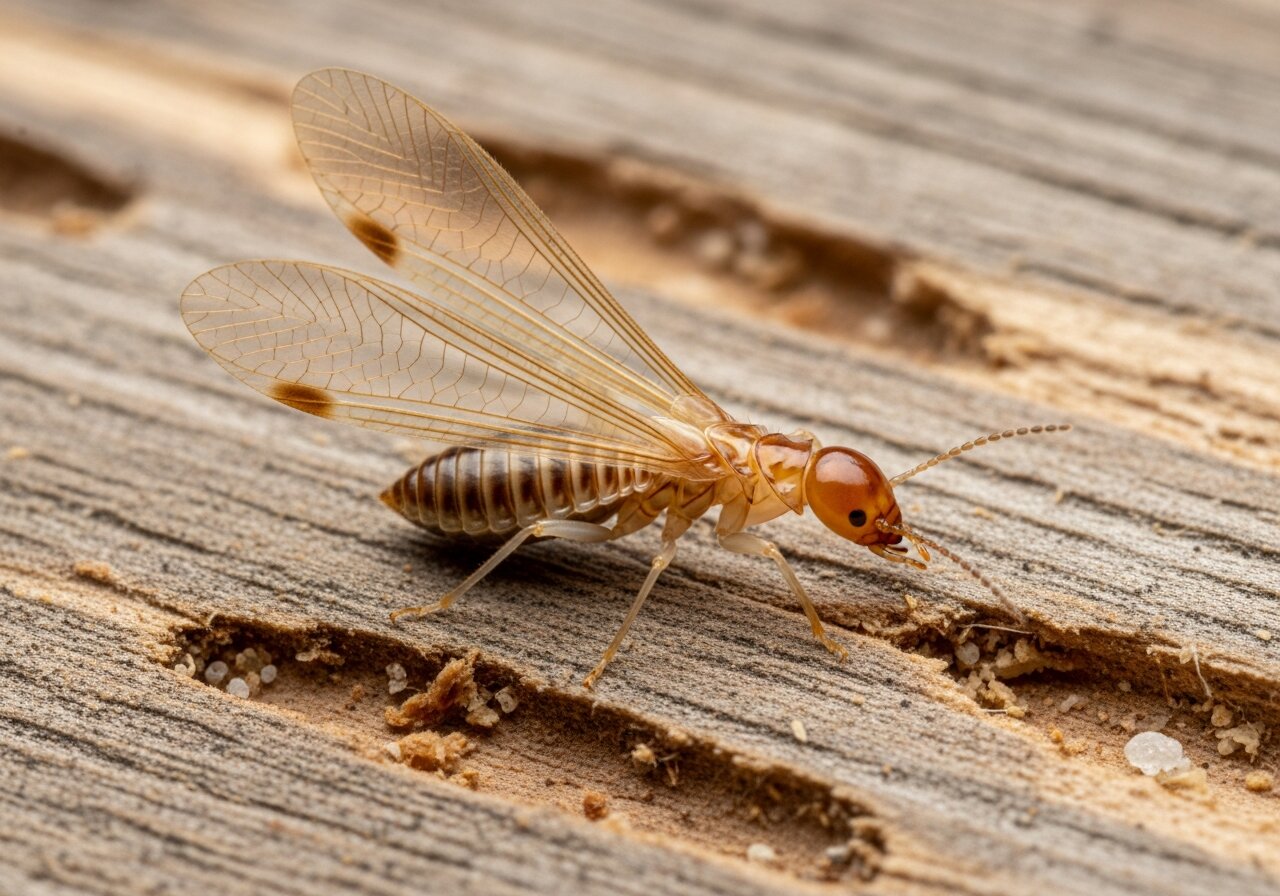
Drywood Termite
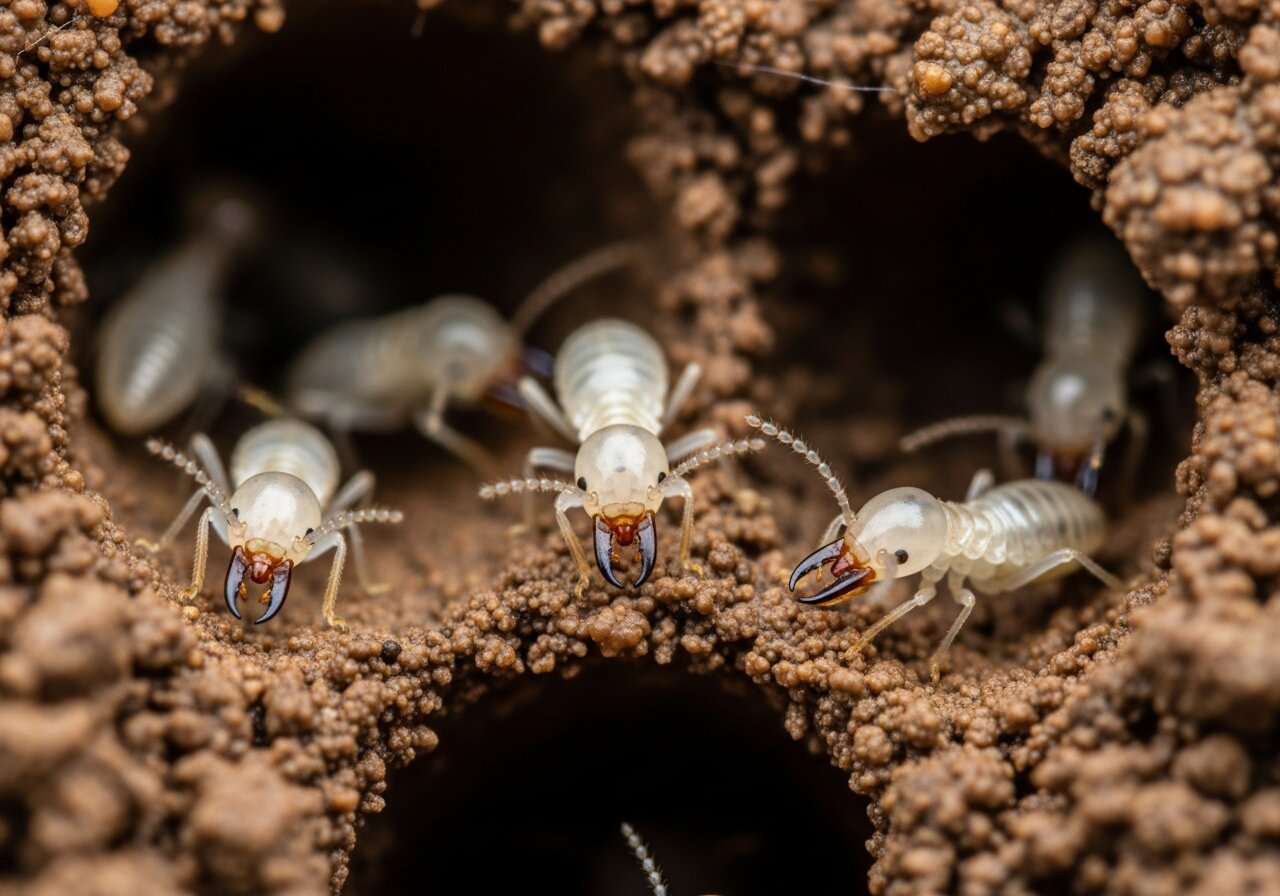
Subterranean Termite
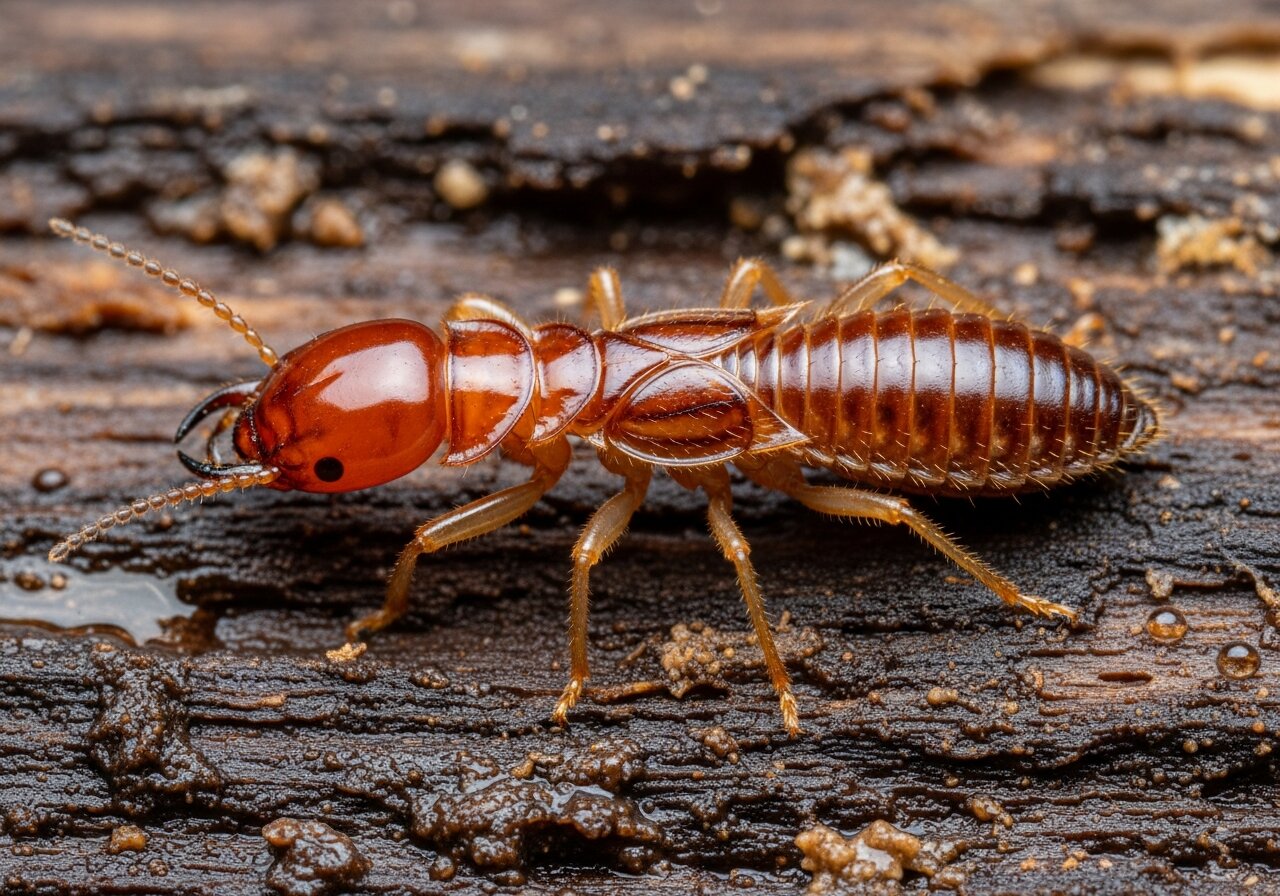
Dampwood Termite
Got a Termite Report From Another Company?
ATCO provides free limited inspections to review and assess termite reports from other companies. Get a second opinion from our state-licensed inspectors before you spend a dime.
- No cost, no obligation
- Drywood & subterranean expertise
- State-licensed inspectors
Call us: (415) 742-2826 · Or use the coupon to schedule online.
Free Limited Termite Inspection
- Reviews termite reports from other companies
- Subterranean & drywood coverage
- Schedule to redeem
ATCO Pest Control — Bay Area
Prepare for Your Appointment

Clear Items Away From Exterior Walls
Move furniture and storage at least 3 feet from exterior walls. This gives your technician full perimeter access.

Move Stored Wood 20+ Feet From Home
Relocate firewood, lumber, and wood debris away from your foundation. Stacked wood nearby invites colonies.

Ensure Access to Crawl Space & Attic
Clear pathways to crawl space entries and attic hatches for termite activity and moisture inspection.

Note Areas With Moisture Damage
Look for water stains, soft spots, or persistent dampness. These are prime termite infestation spots.

Photograph Mud Tubes or Wood Damage
Take photos of mud tubes or damaged wood before the visit. This helps your technician assess scope quickly.

Clear Landscaping Away From Foundation
Trim plants and soil away from your foundation. Dense landscaping traps moisture and hides termite pathways.
Our Complete Termite Services
Comprehensive Inspection
Detect termites, dry rot, and wood-destroying organisms.
Common Sense Treatment
Perimeter and localized treatments with reduced-risk products.
Dry Rot Repair
We treat and repair — complete remediation.
Ongoing Protection
5-year guarantee with complimentary re-treatment.
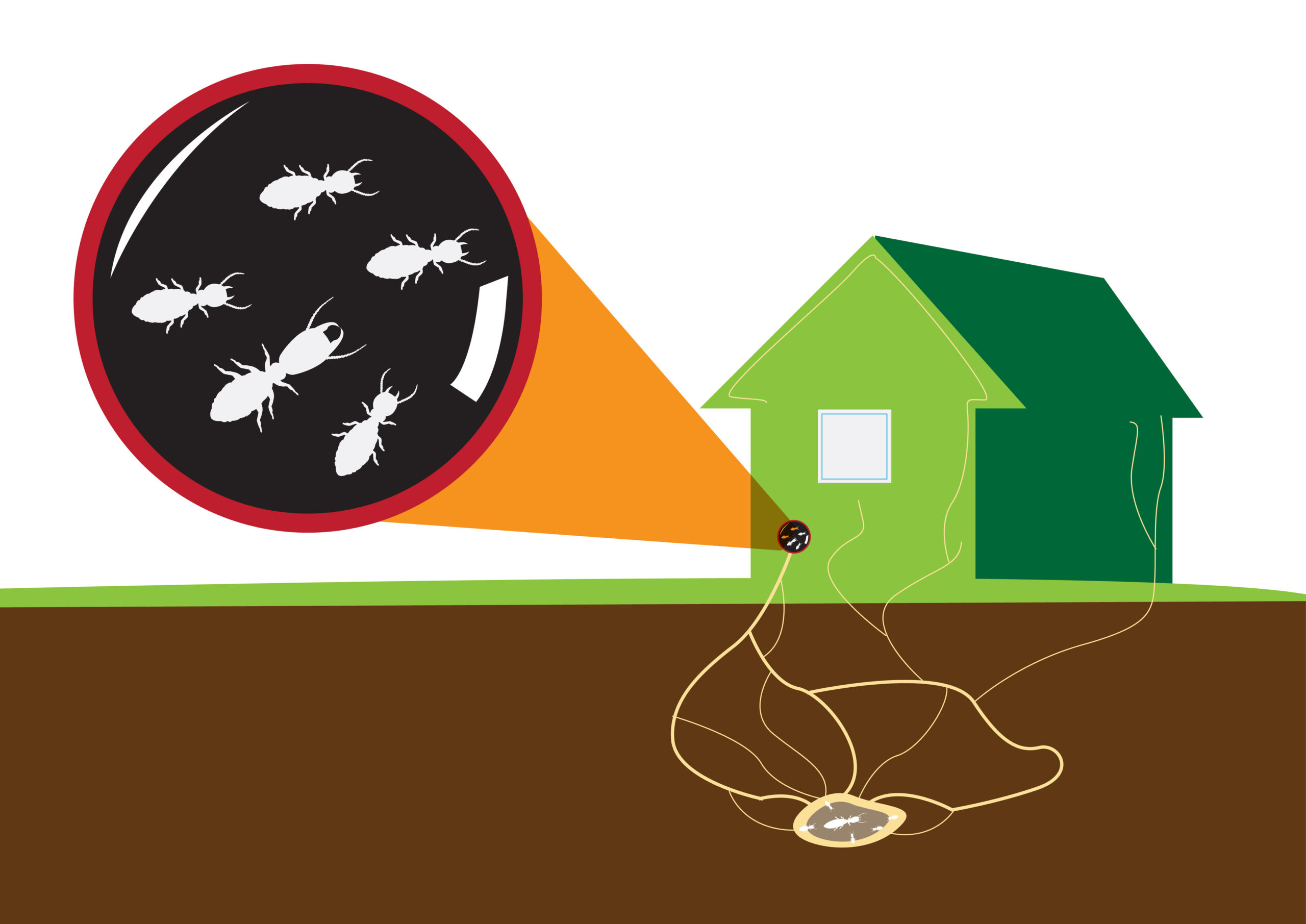
How Termites Invade Your Home
Termites tunnel underground to reach your foundation — by the time damage is visible, they've been feeding for months.
- Colonies can contain up to 1 million termites
- They work 24/7, never sleeping
- Mud tubes protect them from predators
- A mature colony can eat a pound of wood per day
What to Know About Termites
Tap a card to learn what it means for your home — and what ATCO does about it.
Termites cost homeowners more than fires, floods, and windstorms combined — and most home insurance policies don't cover it.
Schedule ConsultationOne colony of 1M+ termites can eat through a structural 2×4 in about 6 months of continuous feeding — around the clock, every day.
Schedule ConsultationTermites feed around the clock, 365 days a year. Every day without treatment is more structural damage accumulating silently inside your walls.
Schedule ConsultationMost termite damage is discovered during remodels — years after they moved in. A $99 inspection saves $10,000+ in structural repairs.
Schedule ConsultationStandard homeowner policies exclude termite damage entirely. Your only protection is prevention — and professional early detection by ATCO.
Schedule ConsultationBook a state-licensed termite inspection before buying or selling any Bay Area home. We find what others miss — and document it.
Schedule ConsultationDid You Know?
Signs of Termite Damage
Look for mud tubes along your foundation, hollow-sounding wood when tapped, and small piles of frass (tiny wood-colored pellets). Bubbling or peeling paint can also indicate termite activity behind walls.
What Puts Your Home at Risk
Wood-to-soil contact, moisture buildup near your foundation, clogged gutters, and stacked firewood against exterior walls all create ideal conditions for termite colonies to establish.
How Fast They Spread
A mature termite colony can consume a pound of wood per day. Colonies grow to over a million members, working 24/7 — and damage often goes unnoticed for months or years.
When to Get an Inspection
Schedule an inspection when buying or selling a home, if you see winged swarmers near windows, or if you notice any signs of wood damage. Annual inspections are recommended for all Bay Area homes.
Seasonal Patterns
Termite swarmers emerge in spring and fall, often after rain. Seeing winged termites near windows or light fixtures means a mature colony is nearby and actively expanding.
Prevention
Reduce wood-to-soil contact around your home, ventilate crawl spaces to control moisture, keep gutters clean, and store firewood at least 20 feet from your foundation.
What You Can Do
Eliminate Moisture
Fix leaky faucets, pipes, and AC units. Dry conditions make your home far less attractive to termites.
Store Wood Away From Your Home
Keep firewood, lumber, and mulch at least 20 feet from your foundation. Stacked wood is an open invitation.
Inspect Regularly
Check your foundation, crawl spaces, and attic for mud tubes, frass, or damaged wood at least once a season.
Seal Entry Points
Caulk cracks in your foundation, around utility pipes, and along window frames to reduce termite access.
Improve Drainage
Direct gutters, downspouts, and grading away from your foundation. Standing water creates ideal termite conditions.
Keep Vegetation Trimmed
Trim shrubs and branches away from exterior walls. Dense vegetation traps moisture and provides hidden termite pathways.
What to Avoid

Don't Ignore Small Signs
Discarded wings or tiny mud tubes often indicate a large, hidden colony already feeding on your home.
Don't Rely on DIY Sprays
Surface sprays only kill visible termites. The underground colony continues causing damage untouched.
Don't Stack Soil Against Wood Siding
Soil-to-wood contact gives termites a direct highway into your home. Maintain a gap between soil and wood.
Don't Skip Annual Inspections
Termite damage goes undetected for years. Professional inspections catch problems before repair costs skyrocket.

Termites Are Always Learning New Ways In
Our experts stay ahead of termite behavior with the latest treatment and prevention technologies.
Book Your Consultation Online Now