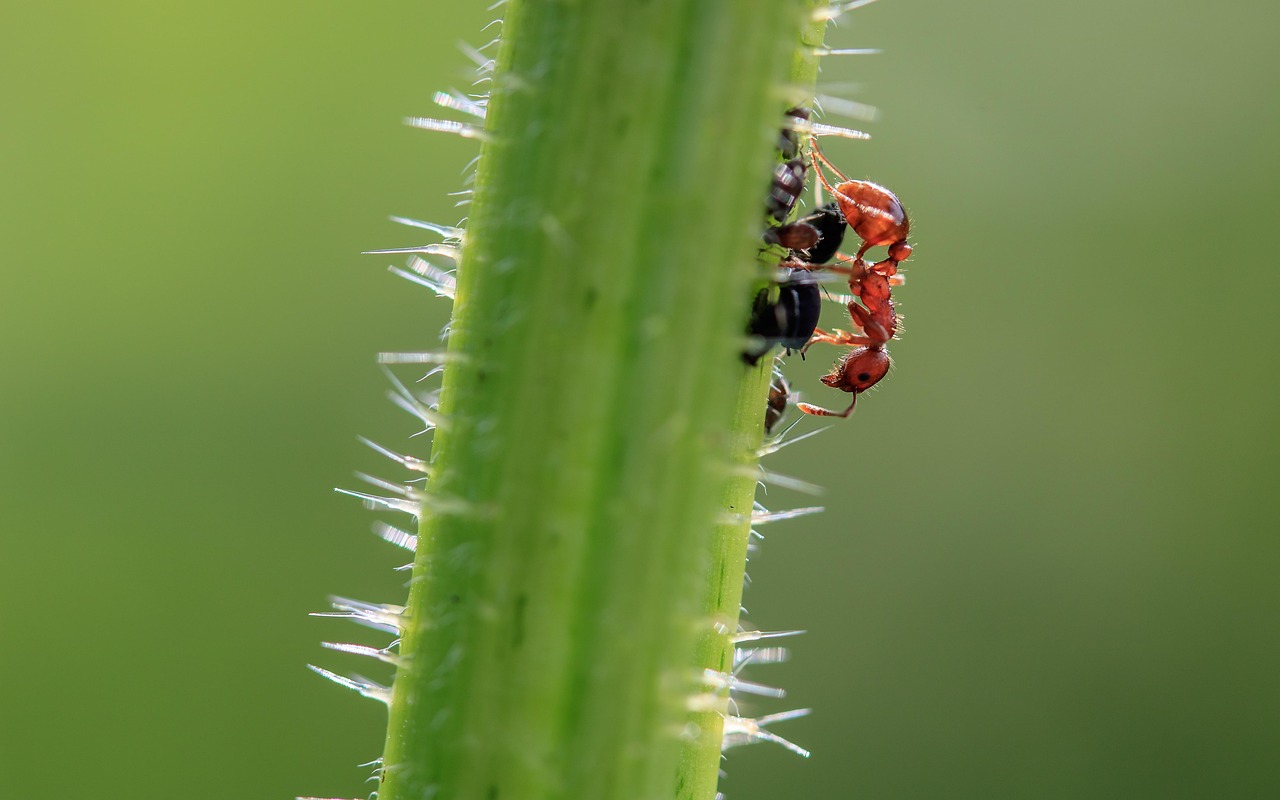

Special Offer Limited Time: 15% Off Your First Service Offer ends soon
★★★★☆ 4.3 Rating · 200+ Reviews

Say Goodbye to Ants for Good!

Family-friendly. Eco-friendly. Guaranteed results.

Expert Ant Control in the Bay Area

ATCO eliminates ants at the source — guaranteed.

Common Bay Area Ants

Know your enemy. We handle them all.

🌊

Argentine Ants

Form massive super-colonies Hover to learn more

Argentine Ants

Argentine ants form interconnected super-colonies spanning miles. They outcompete native species and can quickly overwhelm a home. Very difficult to control without professional help.

👃

Odorous Ants

Smell when crushed Hover to learn more

Odorous Ants

These small brown ants emit a rotten coconut smell when crushed. They love sweets and frequently invade kitchens seeking sugar and moisture.

🪵

Carpenter Ants

Destroy wood structures Hover to learn more

Carpenter Ants

Carpenter ants hollow out wood to build nests, weakening structural integrity. They prefer damp or decaying wood and can cause serious damage over time if untreated.

👑

Pharaoh Ants

Rapid indoor reproduction Hover to learn more

Pharaoh Ants

Pharaoh ants thrive indoors and reproduce extremely fast. They're notoriously hard to eliminate because colonies split when threatened (budding). Professional treatment is essential.

🛠

Pavement Ants

Sidewalk and driveway nesters Hover to learn more

Pavement Ants

Pavement ants nest in cracks in concrete, driveways, and foundations. They forage indoors for grease and sweets, forming visible trails. Common throughout the Bay Area.

Identify Your Pest

Argentine Ant

Argentine Ant

Size: About 1/16 inch
Color: Light to dark brown
Key Fact: Forms massive super-colonies with multiple queens.
Odorous House Ant

Odorous House Ant

Size: 1/16 – 1/8 inch
Color: Dark brown to black
Key Fact: Emits rotten coconut smell when crushed.
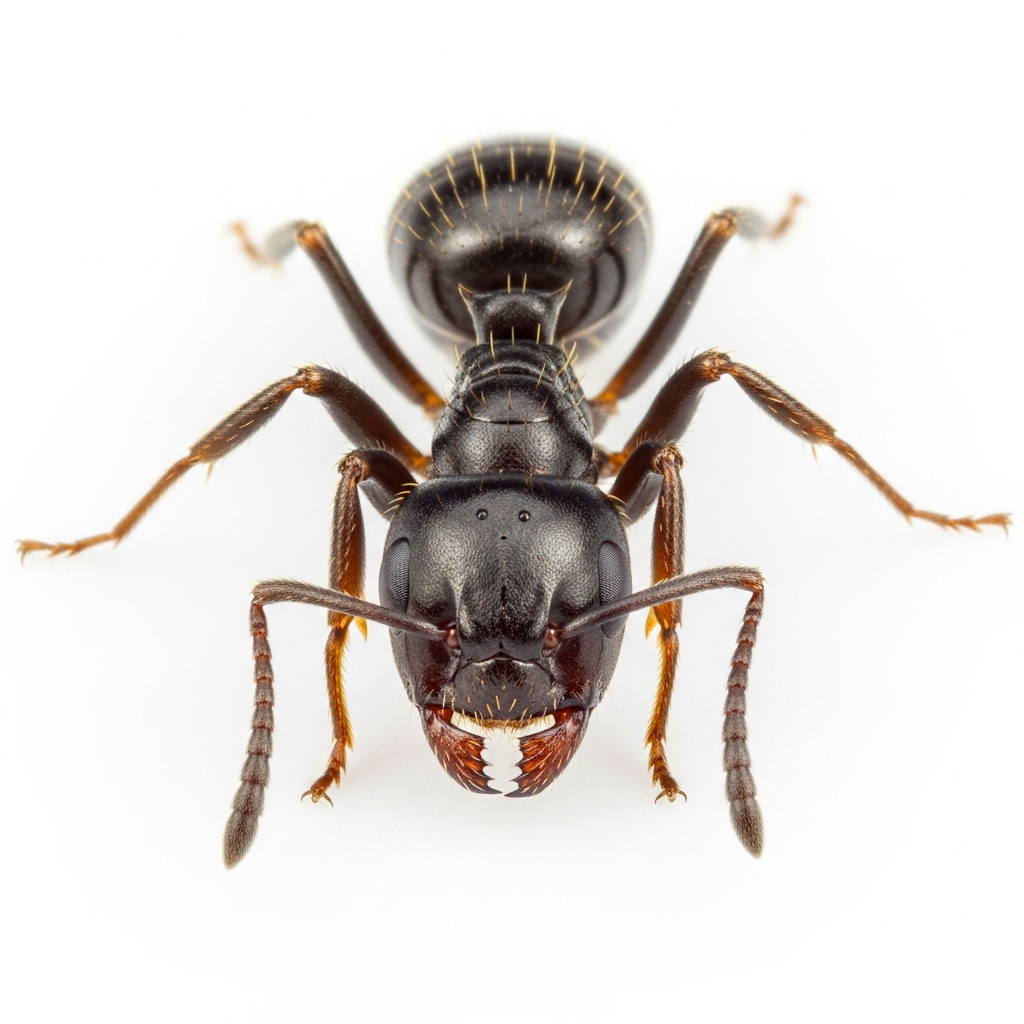
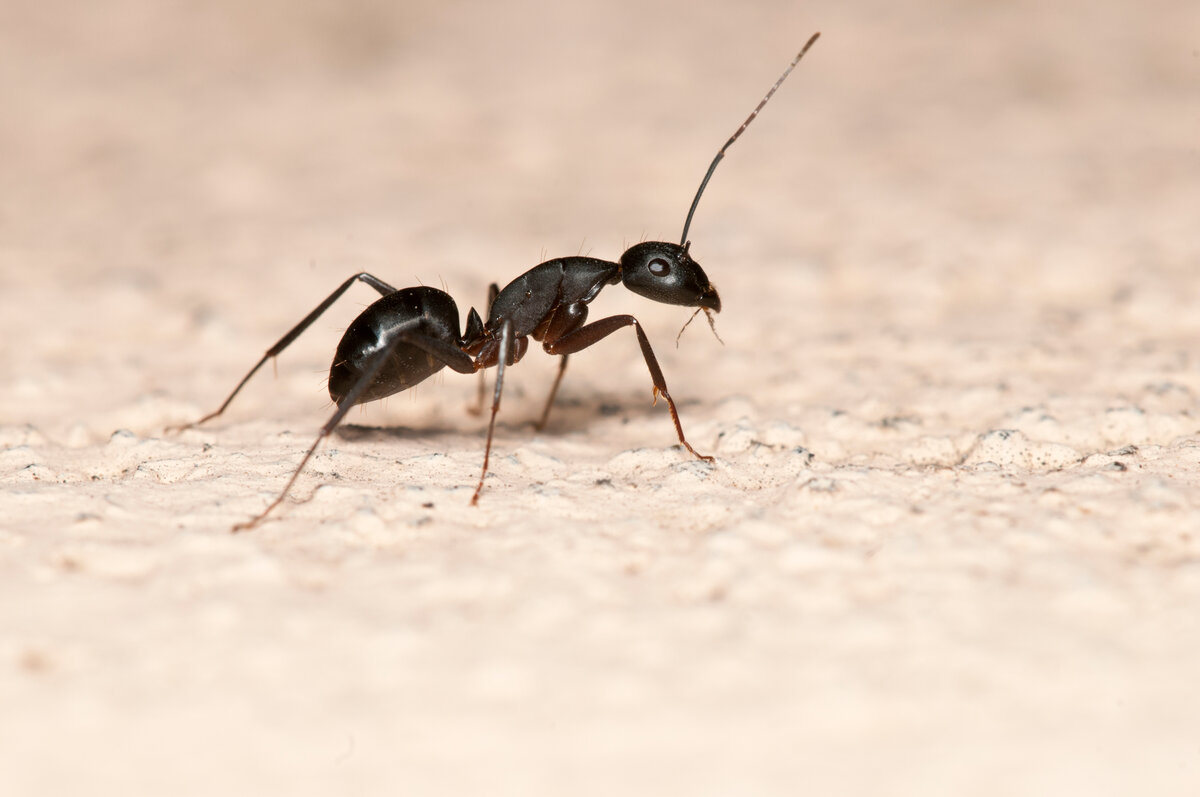
Carpenter Ant

Carpenter Ant

Size: 1/4 – 3/4 inch
Color: Black, sometimes dark reddish-brown
Key Fact: Hollows out wood for nests; most active at night.
Pharaoh Ant

Pharaoh Ant

Size: About 1/16 inch
Color: Yellowish to light reddish-brown, almost translucent
Key Fact: Colonies split when threatened, making elimination difficult.
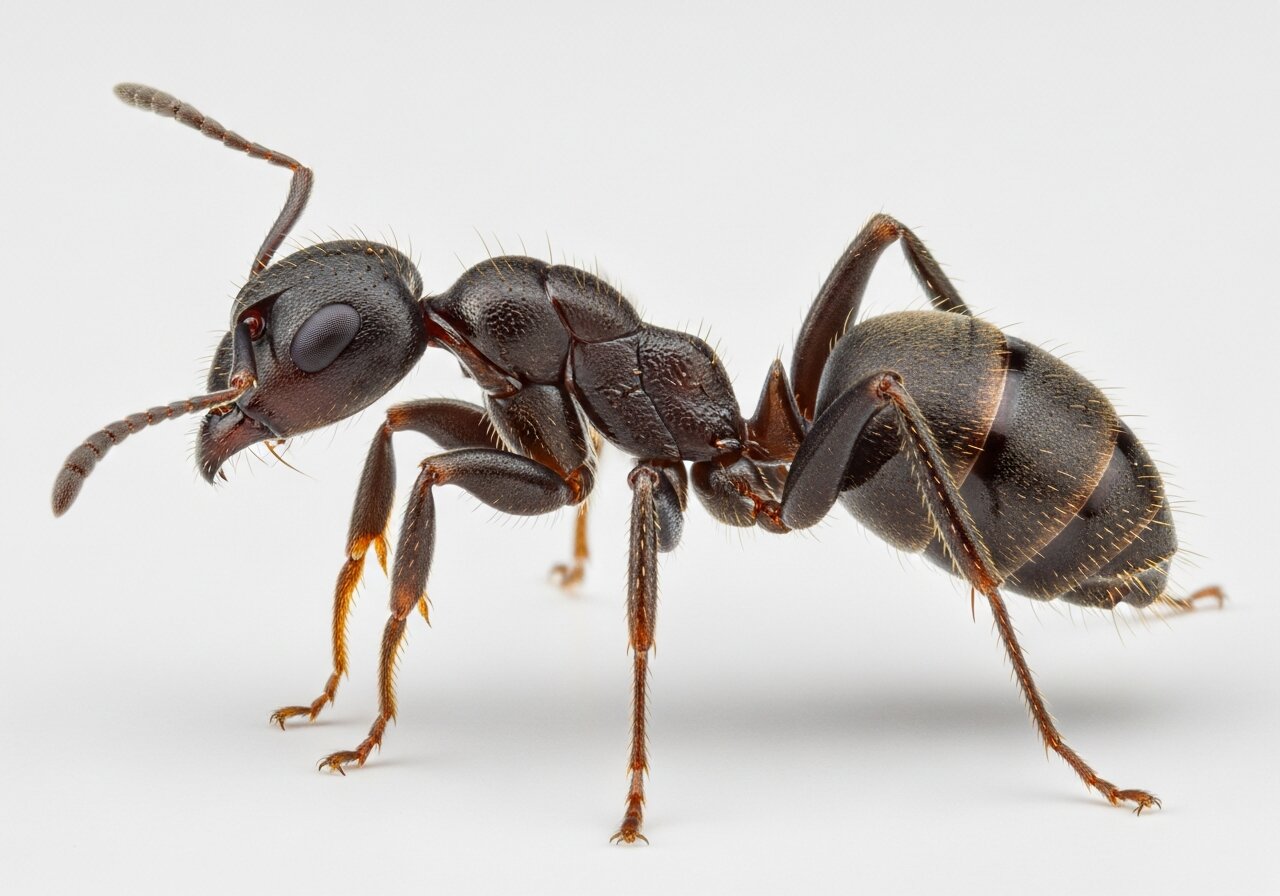
Pavement Ant

Pavement Ant

Size: 1/8 – 1/4 inch
Color: Dark brown to black with lighter legs
Key Fact: Nests in cracks in pavement and foundations; common in Bay Area driveways.
Self-Service

Book Your Consultation Online Now

Skip the phone queue -- schedule your pest inspection in under 60 seconds, 24/7.

Pick Your Time Choose a date that works
Instant Confirmation No waiting for callbacks
No Obligation Free estimates included
or
Call (833) 326-2826

This Is What's Happening Inside Your Walls

Watch how fast ants invade — then call us before they multiply.

Prepare for Your Appointment

1
🧹

Clear Counters of Food & Crumbs

Wipe down kitchen countertops and dining surfaces so your technician can spot ant trails and entry points.

2
πŸ«™

Move Food Into Sealed Containers

Transfer open pantry items into airtight containers to remove the food sources attracting ants.

3
πŸ”§

Pull Appliances Away From Walls

Move fridge, stove, and dishwasher a few inches out so your technician can inspect and treat behind them.

4
🌿

Trim Vegetation Touching the House

Cut back branches, shrubs, or vines contacting your exterior — ants use these as bridges into your home.

5
πŸ“

Note Where You've Seen Ant Trails

Jot down locations of ant activity — baseboards, windows, plumbing — to help your technician target treatment.

6
🐾

Secure Pet Food & Water Bowls

Pick up pet food dishes and water bowls before the appointment. Pet food attracts ants and can interfere with treatment.

Your technician will guide you on arrival.

Ants Love Your Kitchen. We Don’t.

One scout ant becomes a thousand overnight. Stop them before they settle in.

Call Now: (833) ECO-ATCO

Why ATCO?

🏆

40+ Years of Excellence

Highly Rated & Diamond Certified

🌱

Family & Bay-Friendly Treatments

Guaranteed Protection

📅

Saturday Servicing

Did You Know?

πŸ”

Signs of an Ant Problem

Look for visible trails along baseboards, windowsills, and countertops. Small piles of dirt near walls or wood shavings under beams can signal nesting activity inside your home.

🍬

What Attracts Them

Food residue on counters, sugary spills, pet food left out, and excess moisture from leaky pipes are the top attractants. Even a tiny crumb trail can guide thousands of ants into your kitchen.

🚫

When It's More Than DIY

If the colony keeps returning after store-bought treatments, there are likely multiple nests or a hidden queen. Professional-grade solutions target the source, not just the visible workers.

πŸ“…

Peak Season

Ants are most active from spring through fall when warmer temperatures drive foraging. However, indoor colonies can remain active year-round in heated homes, especially near kitchens and bathrooms.

🏠

Property Damage Risk

Carpenter ants hollow out wood to build nests, weakening structural beams, decks, and window frames over time. Unlike termites, they don't eat the wood — but the damage can be just as costly if left untreated.

πŸ›‘οΈ

Prevention Basics

Seal cracks and gaps around doors, windows, and foundations. Fix leaky faucets and pipes to eliminate moisture. Trim branches and vegetation touching your home — ants use these as bridges indoors.

What You Can Do

🧹

Keep Surfaces Clean

Wipe counters, sweep floors, and clean crumbs immediately. Removing food traces breaks their scent-trail cycle.

πŸ«™

Store Food in Sealed Containers

Transfer sugar, cereals, and pet food into airtight containers. Even the smallest opening invites scout ants.

πŸ”

Trace & Seal Entry Points

Follow ant trails to where they enter your home. Seal cracks around windows, doors, and pipes with caulk.

πŸ‹

Use Natural Deterrents

Vinegar, lemon juice, or peppermint oil along entry points can temporarily disrupt scent trails.

🧽

Wipe Surfaces with Soapy Water

Dish soap and water destroys chemical scent trails. Wipe counters, windowsills, and baseboards regularly.

🌿

Trim Trees & Shrubs Away from Walls

Vegetation touching your home acts as a bridge. Keep branches trimmed 12+ inches from exterior walls and rooflines.

What to Avoid

❌

Don't Spray Visible Ants

Spraying kills a tiny fraction. The colony adapts and reroutes scouts, making the problem harder to track.

❌

Don't Ignore Small Trails

A few ants are scouts. If they find food, they recruit thousands. A minor trail can become a full infestation in days.

❌

Don't Rely on Store-Bought Baits Alone

Workers often die before reaching the nest, so bait never reaches the queen. The colony survives and keeps growing.

❌

Don't Leave Pet Food Out Overnight

Pet food is a top ant attractant. Pick up bowls after feeding and store bags in sealed containers.

The Bottom Line: A pest control professional can evaluate your property to target the source for lasting results.

Still Seeing Ants? That’s the Colony Talking.

DIY sprays kill the workers. We eliminate the queen β€” and the problem.

Schedule a Consultation →

Ready to Go Ant-Free?

Get your inspection today. No obligation.

Schedule Your Inspection →

Self-Schedule Online

Book your consultation online in under 60 seconds

1 Service
2 Date
3 Details
Call Now Book Online