
Appearance
Swarm season is at its peak — Bay Area colonies are spreading fast. Know the signs before damage is done.
Active Alert: Bay Area termite swarm reports are up this May. Don't wait for visible damage — call ATCO now for a same-week inspection.
"May is the single most important month to inspect your Bay Area home for termite activity."
May is the most critical month in the Bay Area termite calendar. As post-rain humidity remains high and soil temperatures climb toward 70°F, subterranean termite colonies release thousands of winged "alates" to establish new colonies. You may see them near windows, lights, or find piles of discarded wings — a sign an established colony is very close to or inside your home. Acting now prevents months of silent, invisible structural damage.
Swarms peak when soil temps hit 70°F. In the Bay Area, that window is April–June — and May is the heart of it.
Subterranean termites need soil contact and moisture. Wet wood from winter rains makes your home especially attractive this time of year.
Mulch, wood piles, fence posts, and deck supports touching soil give termites a direct highway into your home's structure.
Pre-1980 homes with pier-and-beam foundations are disproportionately targeted. Limited subarea ventilation keeps wood moist year-round.
Most homeowners don't discover termite activity until significant structural damage has already occurred. Know these six signals before it's too late.
Small, dark-winged insects emerging from soil or wood near your home, especially in the morning after rain.
Piles of tiny wings on windowsills, near doors, or on the floor — swarmers shed them after landing.
Pencil-width tubes of mud on foundation walls, pipes, or wooden beams — subterranean termites' highways.
Tap on baseboards, door frames, or beams. A hollow drum sound means termites have eaten through from the inside.
Wood distorted by termite damage and moisture expands, causing doors and windows to suddenly stick or warp.
Small, pellet-like droppings near wood — more common with drywood termites nesting inside walls.
Bay Area homes host three termite species — each with distinct nesting habits and treatment methods. Hover (or tap on mobile) to flip each card for full details.
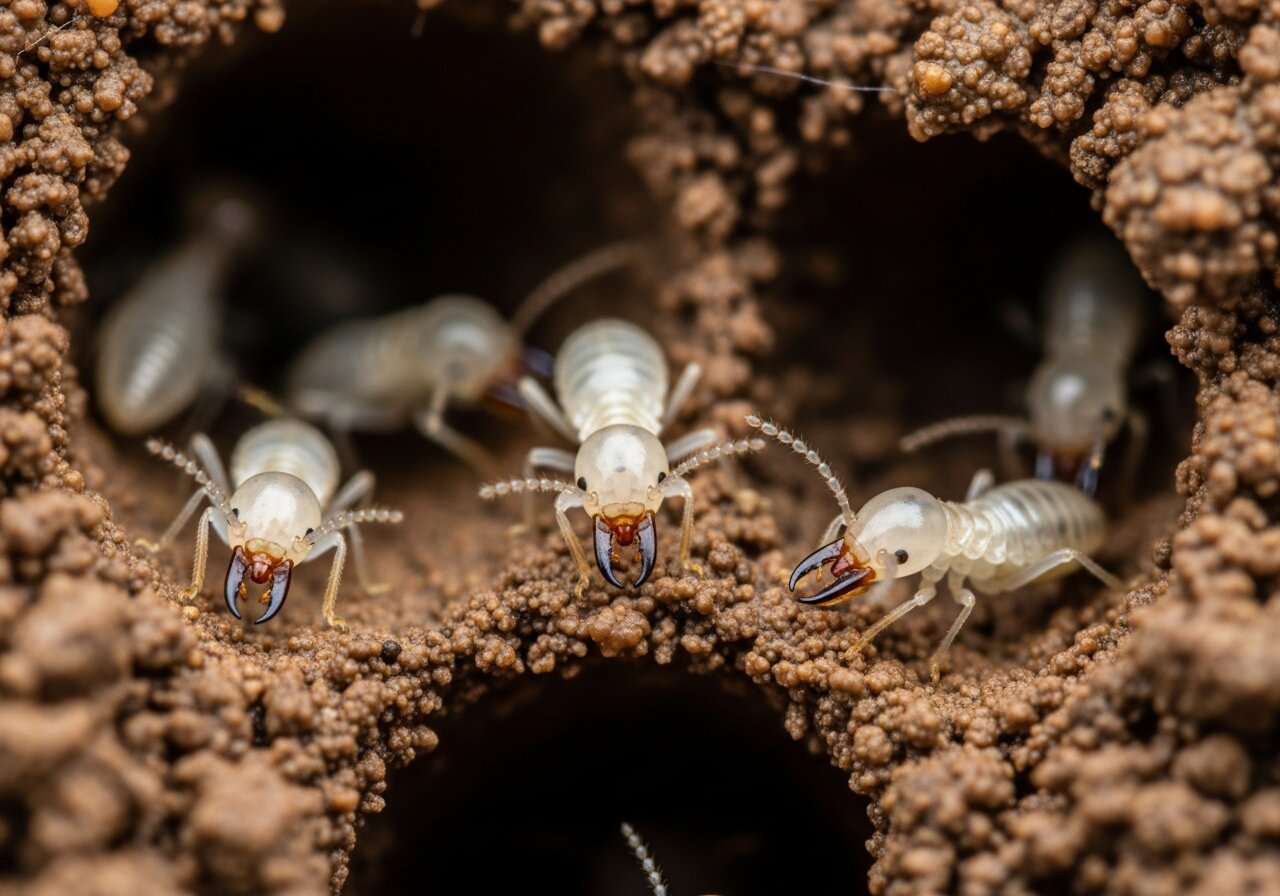
Most destructive termite in North America. Colonies can contain 1 million workers.
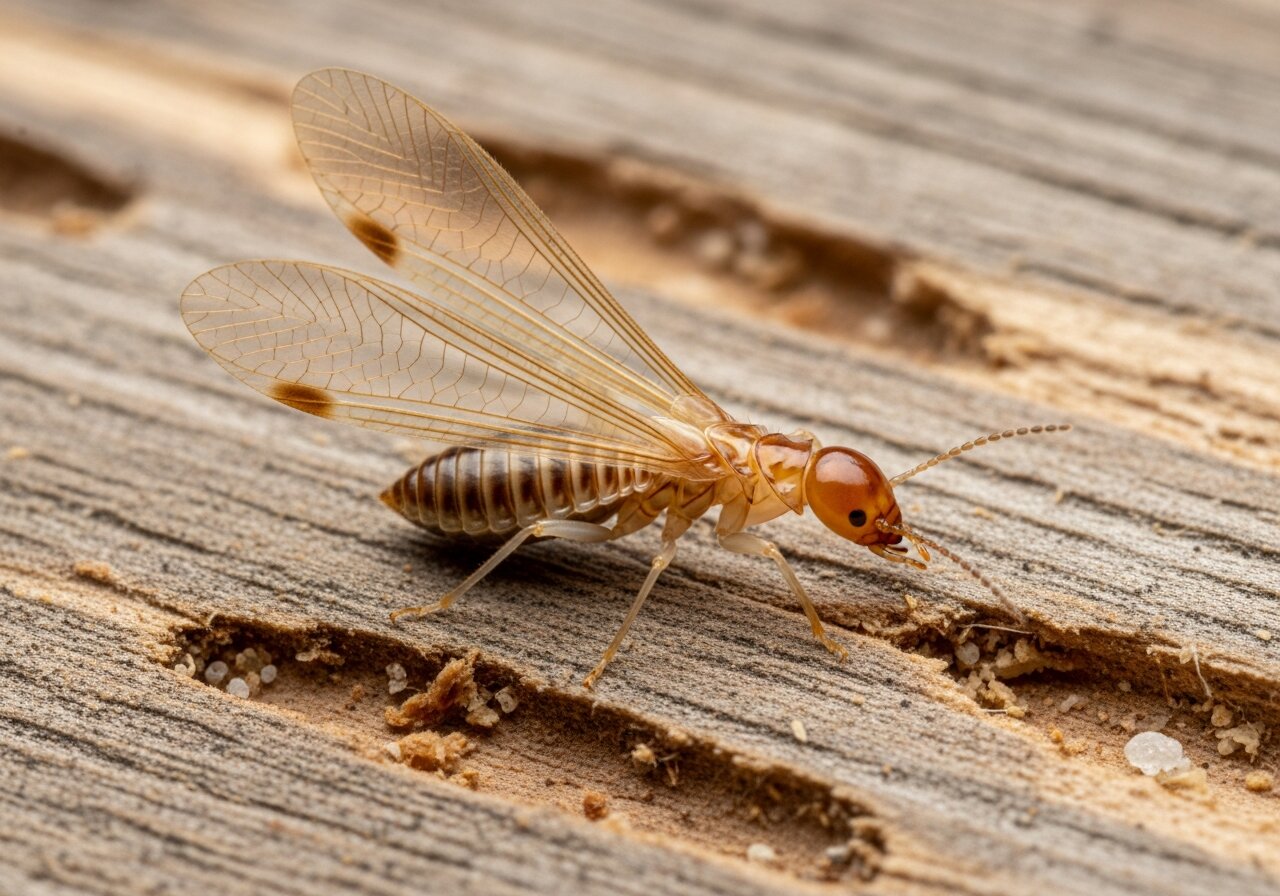
No soil contact needed — lives entirely inside dry wood. Spreads through furniture and lumber.
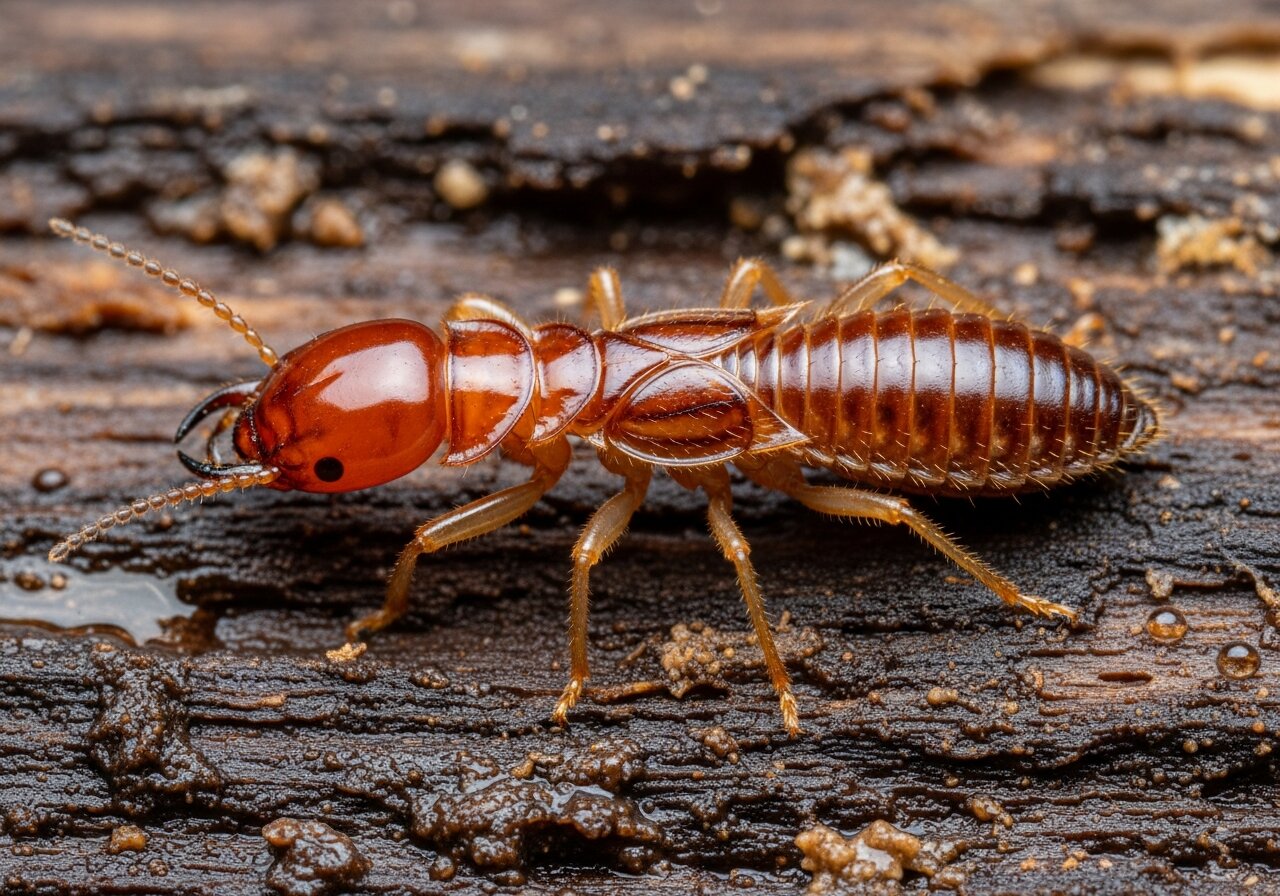
Only targets very moist wood — fixing leaks and drainage issues is the first step to prevention.
What Bay Area homeowners should know about termites.
Termite workers operate 24 hours a day, 7 days a week. A large colony can consume a foot of 2×4 lumber in under 6 months.
Termites communicate using vibrations. Soldier termites bang their heads on tunnel walls to signal danger to the colony.
In nature, termites are essential decomposers that break down dead wood and recycle nutrients. The problem is when they choose your home.
Termites can't actually digest wood themselves — specialized microbes in their gut break down cellulose into usable energy.
A subterranean termite queen lives decades and lays thousands of eggs per day. Eliminating the queen is key to colony collapse.
Coastal moisture, mild winters, and warm spring weather make the Bay Area one of California's most active termite regions.
Walk your perimeter and look for mud tubes on the foundation, pipes, and wooden supports. Use a flashlight.
Take photos of swarmers, wings, mud tubes, or damaged wood. This helps your technician plan the right treatment approach.
Repair dripping faucets, fix gutters that pool near the foundation, and improve crawl space ventilation to reduce termite appeal.
Relocate firewood, lumber, and mulch at least 18 inches from your foundation. These create direct soil bridges for termites.
The earlier a colony is found, the less structural damage occurs. Our state-licensed technicians inspect the entire structure.
Surface sprays only kill termites you can see. The colony deep in your walls or soil continues undisturbed.
Breaking mud tubes without treatment scatters workers and can spread the colony to new areas of your home.
By the time walls look damaged or floors feel soft, termites may have been active for 1–3 years. Don't delay.
Indoor swarmers mean the colony is already inside your structure — they do not fly in from outside after swarming.
40+ years of Bay Area expertise means a proven, step-by-step process — not a one-size-fits-all spray-and-leave approach.
Our licensed technician inspects the subarea, attic, exterior, and interior — checking every wood member, pier, and beam for activity and damage.
We identify the termite species present, map all active areas, and classify damage severity — so you know exactly what you're dealing with.
For subterranean termites: we apply termiticide to the soil around your foundation, creating a long-lasting protective barrier.
Widespread drywood infestations require whole-structure fumigation. ATCO coordinates the full process including scheduling and safety checks.
We install in-ground bait stations around your property that intercept foraging workers before they reach the structure.
We re-inspect 30 and 90 days post-treatment to confirm colony elimination and provide a written service report for your records.
ATCO Termite Control
Looking for full treatment details, pricing & our 5-year guarantee?
Skip the phone queue — schedule your pest inspection in under 60 seconds, 24/7.
Answers from ATCO's state-licensed technicians, based on the questions we get most in May.
ATCO's state-licensed technicians serve the entire Bay Area. Get an expert inspection this May before the colony grows deeper into your structure.
Choose a service, check eligibility, then select a date and arrival window. Your appointment is not booked until you confirm it.
ATCO does not provide honeybee removal or relocation. For honeybee swarms or colonies, contact a local beekeeper or honeybee relocation specialist directly.
Select one service below. The next step opens automatically. For termites, also choose whether you want a specific-area/second-opinion inspection or a whole-home/property inspection.
Service eligibility is checked for your ZIP code in the next step.
Enter the service ZIP code and wait for the check. If the driving-range check appears, enter the service address and select Check driving range. Then check the owner-occupied, single-family, adult decision-maker box. The next step opens automatically after eligibility is verified and that box is checked.
A ZIP check confirms service-area eligibility; property requirements must also be confirmed below.
We'll check this ZIP with our scheduling service.
Select an available date on the calendar. The arrival-window step opens automatically after you choose a date. If dates do not load, select Refresh availability.
Select one available arrival window. The contact-information step opens automatically after you choose it.
Select a date to see available windows.
Your technician will arrive within the selected window.
Complete the required fields, including the service address and home details. Select Review Appointment when finished. If an address suggestion appears, review it and select Use this address and review to continue. Review Appointment does not book the appointment.
Check the appointment and contact details. In the card-on-file section, check the acknowledgement and select Yes, No, or I'm not sure. Then select Confirm Appointment to submit the booking. It is not booked before you confirm.
Appointment
Your Information
About Your Home
Your appointment is booked. Select Done to close this window. ATCO may call if a card-on-file follow-up is needed.
Questions or changes? Call (833) ECO-ATCO.
Don't Miss Out!
Claim your exclusive discount and save 12% OFF your pest control service.
Limited time offer for Bay Area residents
Redeem This Coupon