
Appearance
ATCO does not provide honeybee removal or relocation. For honeybee swarms or colonies, contact a local beekeeper or honeybee relocation specialist directly.
Wasps and hornets sting repeatedly, triggering mass attacks.
Anaphylaxis from stings can be life-threatening.
Wasps nest inside walls, attics, eaves, and underground.
Nests can grow to thousands of insects in one summer.
Identify common stinging insects. ATCO removes wasps, non-honeybee bees, and other stinging/flying pests. Honeybee identification is educational only.


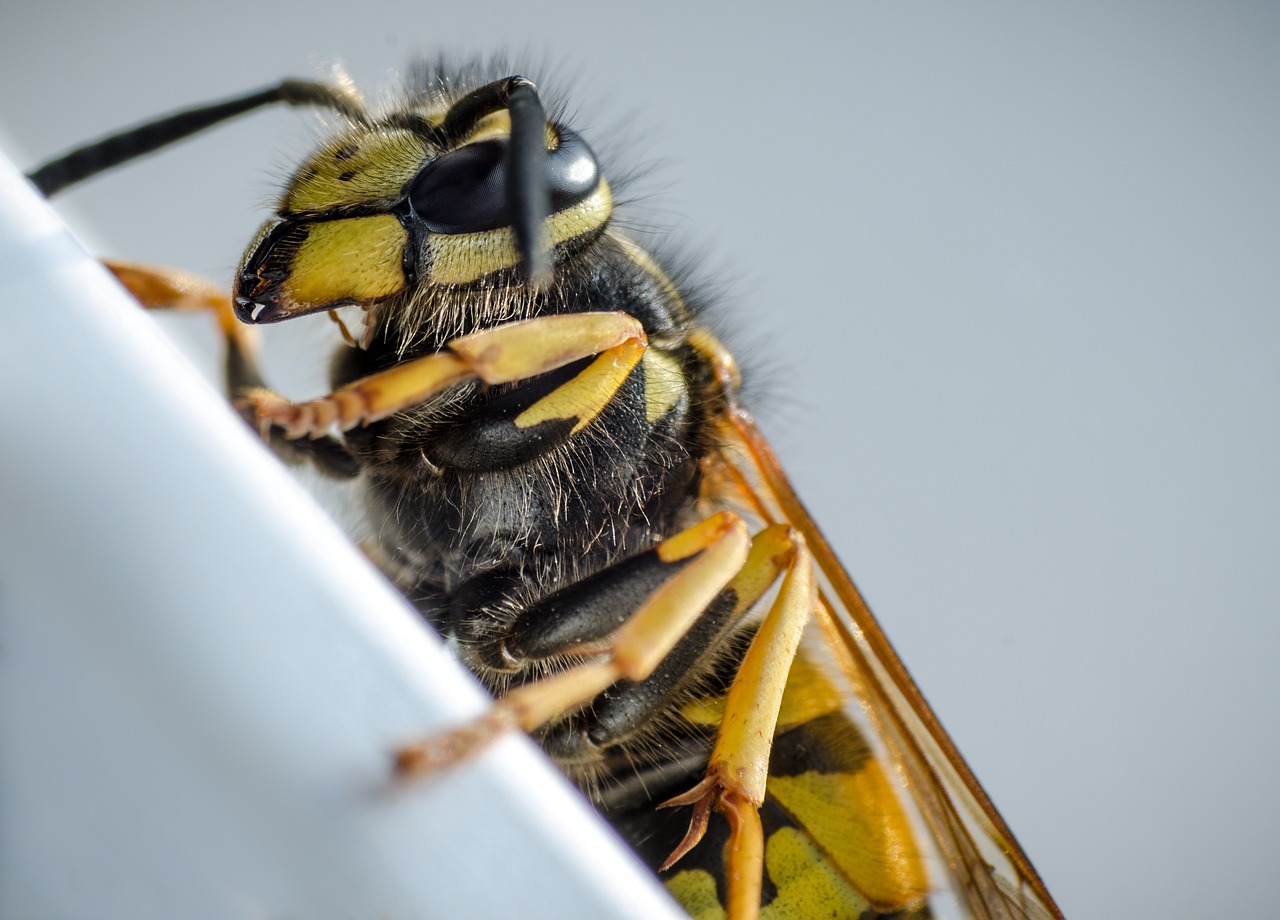
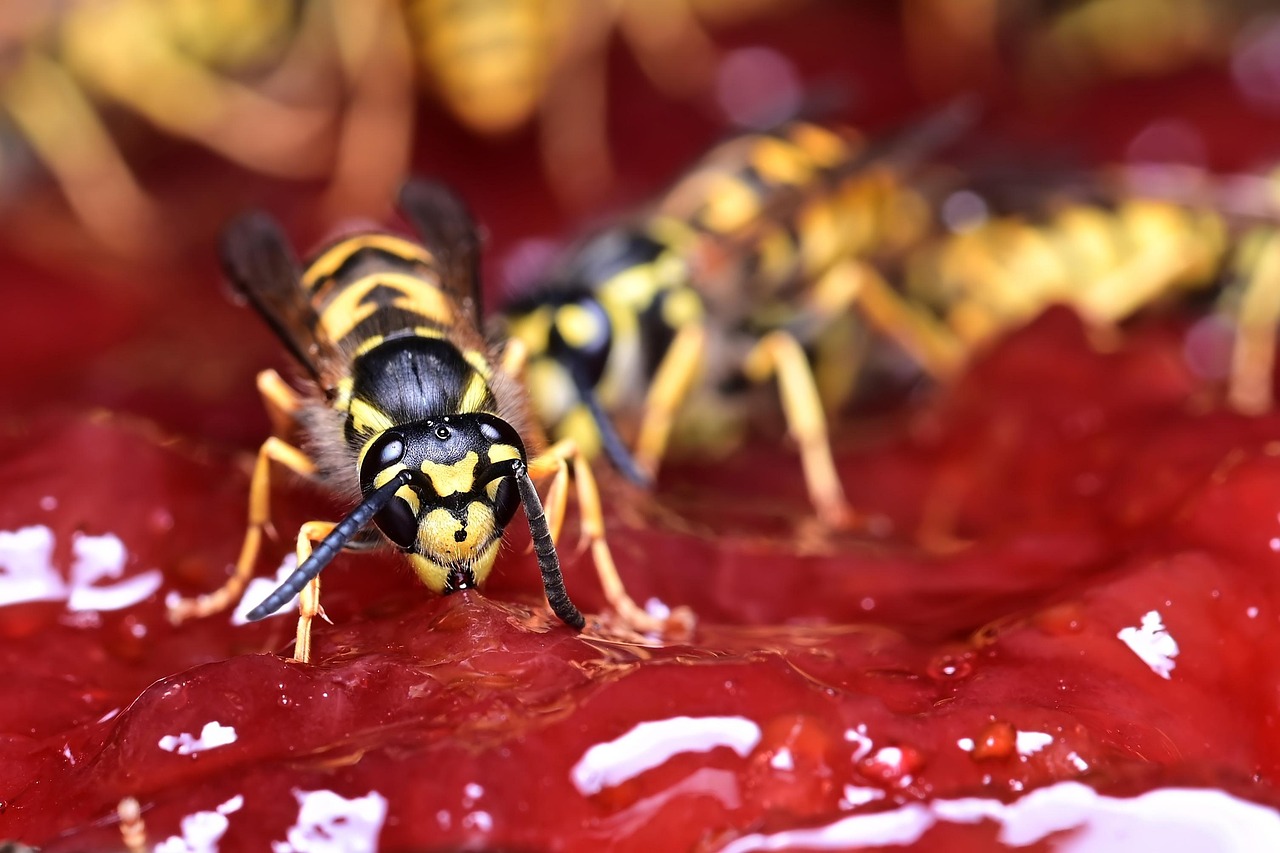

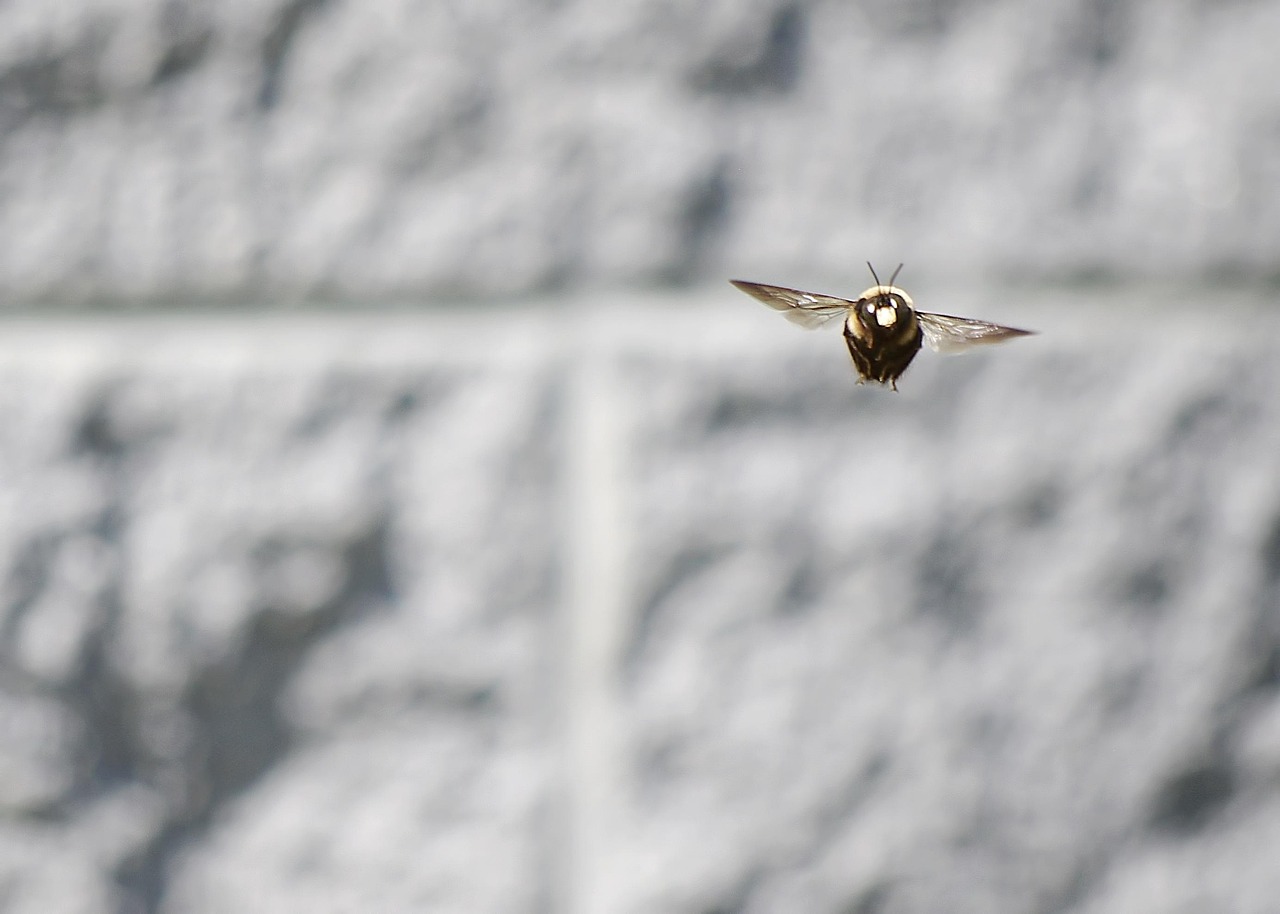
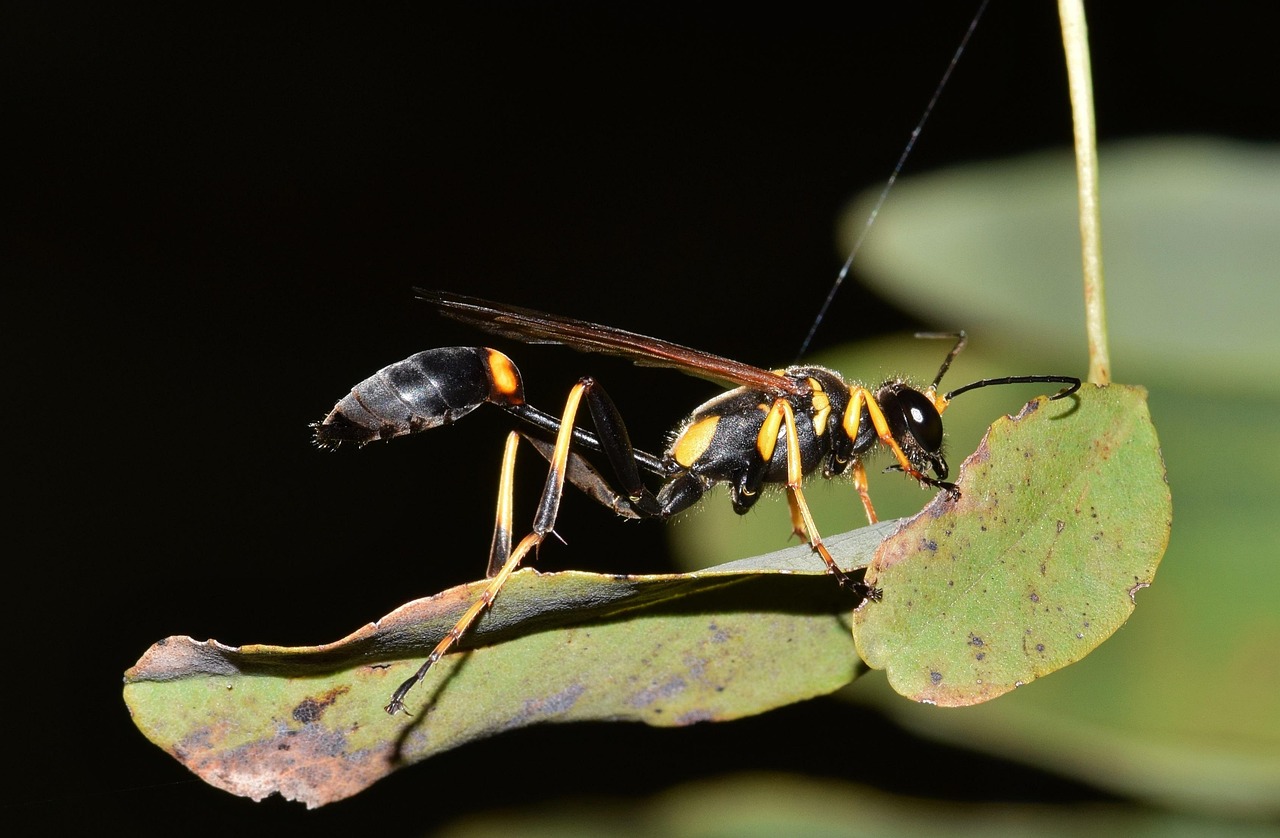

Yellow jackets, paper wasps, and hornets build nests quickly in eaves, attics, and fences. Don't wait for a sting — ATCO removes active nests safely and treats for return activity.
Call us: (415) 742-2826 · Or use the coupon to schedule online.
ATCO Pest Control — Bay Area

Ensure all children and pets stay inside and away from the treatment area during the entire service visit.

Mark every nest location you've found so the technician can address them all in one visit.

Don't spray, poke, or attempt to remove nests. Disturbing them makes insects more aggressive and treatment harder.

Shut all windows and doors near nest locations to prevent displaced insects from entering your home.

Bring in pet food bowls, water dishes, and bird feeders from the treatment area before the technician arrives.

If you need to be outside, wear light colors. Stinging insects are more attracted to dark colors and floral patterns.
Tap a card to learn what it means for your family — and what ATCO does about it.
A colony that starts with one queen in spring reaches 4,000+ workers by August — all primed to defend aggressively when disturbed.
Schedule ConsultationStinging insects kill more Americans than snakes annually. For allergy sufferers, a nest near your home is a medical emergency.
Schedule ConsultationDisturbing a ground nest while mowing triggers a defensive swarm within 30 seconds. Don't spray — step back and call ATCO.
Schedule ConsultationATCO does not provide honeybee removal or relocation. For honeybee swarms or colonies, contact a local beekeeper or honeybee relocation specialist directly.
Read UC ANR IPM guidanceSpraying inside a wall void agitates and traps thousands of stinging insects. Professional nest removal is the only responsible option.
Schedule ConsultationActive stinging insect nests near your home are a safety emergency. We offer same-day response — especially urgent with children or pets.
Schedule ConsultationWatch for a steady stream of insects flying to and from one spot, especially under eaves, in wall voids, or underground holes. Buzzing sounds inside walls or ceilings and chewed wood shavings (carpenter bees) are also telltale signs of an active nest on your property.
Open trash cans, sugary drinks, ripe fruit, pet food, and exposed meat draw yellow jackets and wasps to outdoor areas. Flowering gardens near doorways, standing water, and untreated wood structures also invite bees and wasps to set up nests close to your home.
Wasp and hornet stings can cause severe allergic reactions, including anaphylaxis, which requires immediate medical attention. Even without an allergy, multiple stings from a disturbed nest can lead to serious swelling, pain, and in rare cases, organ damage — making professional removal essential.
Call a pro if the nest is in a wall void, attic, or underground — or if it's larger than a baseball. DIY removal of established nests triggers mass stinging responses. Professionals have protective equipment and targeted treatments that eliminate the colony without putting your family at risk.
Wasps and yellow jackets are most aggressive in late summer and early fall when colonies peak in size and natural food sources decline. Spring is the best time to spot and remove small starter nests before they grow into large, dangerous colonies with thousands of insects.
Seal gaps around eaves, soffits, and siding in early spring before queens start nesting. Ask about ATCO's queen trapping program — deployed February through April to intercept wasp and yellow jacket queens before they establish colonies. Keep outdoor trash covered, avoid leaving food or drinks uncovered at barbecues, and treat exposed wood to deter carpenter bees.
Keep garbage cans tightly sealed. Wasps and yellow jackets are drawn to sugary drinks, meats, and food scraps in open bins.
Inspect for gaps around eaves, soffits, and siding. Seal cracks where wasps might build nests inside walls or attics.
Keep flowering plants away from doorways and seating areas. Plant bee-attracting flowers in a far corner of your yard instead.
Check eaves, overhangs, and sheds for small nests in early spring. Small colonies are much easier for professionals to remove.
At barbecues and picnics, keep food covered and use cups with lids. Yellow jackets are drawn to sugary drinks and ripe fruit.
Bright or floral-patterned clothing can attract bees that mistake you for a flower. Stick to neutral tones and skip strong perfumes outdoors.
Hitting a nest triggers a mass attack. Wasps release alarm pheromones that signal the entire colony to defend — resulting in dozens of stings.
OTC wasp sprays rarely reach the queen deep inside the nest. The colony rebuilds, and you've made them more aggressive.
Burning or flooding a nest is extremely dangerous. It rarely works and can cause property damage or drive insects deeper into walls.
Honeybees are beneficial pollinators. ATCO does not provide honeybee removal or relocation. For honeybee swarms or colonies, contact a local beekeeper or honeybee relocation specialist directly.

 Important Warning
Wasps release attack pheromones when disturbed—never attempt DIY removal.
We find every nest, including hidden colonies.
We identify wasps, non-honeybee bees, and other stinging/flying pests to choose an appropriate approach. Honeybee colonies are not treated or removed by ATCO.
We treat the colony at dusk when all insects are home, using the most effective method for the species — including queen trapping for preventative control in early spring.
We remove nests of supported stinging pests as appropriate to the site and species. This service does not include honeybee colonies or relocation.
We seal entry points and apply deterrents to prevent re-nesting.
In early spring, queen yellow jackets and wasps emerge from overwintering to find nesting sites. ATCO deploys queen traps before colonies establish — intercepting queens before they can build a nest and recruit thousands of workers. One queen trapped in March eliminates a colony that could have housed 5,000+ insects by August.
Queen trapping is most effective February–April and is offered as part of our preventative stinging insect program. Ask your technician about adding it to your service plan.

Honeybees are beneficial pollinators. This educational content is not an ATCO honeybee service. Read UC ANR IPM honeybee guidance.
ATCO does not provide honeybee removal or relocation. For honeybee swarms or colonies, contact a local beekeeper or honeybee relocation specialist directly.
ATCO does not provide honeybee removal or relocation. For honeybee swarms or colonies, contact a local beekeeper or honeybee relocation specialist directly.
40+ years protecting Bay Area families. Assessment-Based certified with satisfaction guarantee.
Schedule a Consultation (833) ECO-ATCOReal reviews from Google, Yelp & more — updated live.
ATCO does not provide honeybee removal or relocation. For honeybee swarms or colonies, contact a local beekeeper or honeybee relocation specialist directly.
Get your inspection today. No obligation.
Schedule Your Inspection →What Bay Area homeowners search for most about stinging pest removal.
Choose a service, check eligibility, then select a date and arrival window. Your appointment is not booked until you confirm it.
ATCO does not provide honeybee removal or relocation. For honeybee swarms or colonies, contact a local beekeeper or honeybee relocation specialist directly.
Select one service below. The next step opens automatically. For termites, also choose whether you want a specific-area/second-opinion inspection or a whole-home/property inspection.
Service eligibility is checked for your ZIP code in the next step.
Enter the service ZIP code and wait for the check. If the driving-range check appears, enter the service address and select Check driving range. Then check the owner-occupied, single-family, adult decision-maker box. The next step opens automatically after eligibility is verified and that box is checked.
A ZIP check confirms service-area eligibility; property requirements must also be confirmed below.
We'll check this ZIP with our scheduling service.
Select an available date on the calendar. The arrival-window step opens automatically after you choose a date. If dates do not load, select Refresh availability.
Select one available arrival window. The contact-information step opens automatically after you choose it.
Select a date to see available windows.
Your technician will arrive within the selected window.
Complete the required fields, including the service address and home details. Select Review Appointment when finished. If an address suggestion appears, review it and select Use this address and review to continue. Review Appointment does not book the appointment.
Check the appointment and contact details. In the card-on-file section, check the acknowledgement and select Yes, No, or I'm not sure. Then select Confirm Appointment to submit the booking. It is not booked before you confirm.
Appointment
Your Information
About Your Home
Your appointment is booked. Select Done to close this window. ATCO may call if a card-on-file follow-up is needed.
Questions or changes? Call (833) ECO-ATCO.
Don't Miss Out!
Claim your exclusive discount and save 12% OFF your pest control service.
Limited time offer for Bay Area residents
Redeem This Coupon