
Appearance
Droppings corrode surfaces, nests block vents, and colonies grow fast without intervention.
Acidic droppings damage paint, metal, and masonry.
Nests clog gutters, vents, and chimneys.
Bird calls and bat squeaking disturb sleep.
Carry parasites, mites, and pathogens affecting humans and pets.
Pecking and gnawing damage insulation, wiring, and structures.
Contaminate food processing and storage areas.
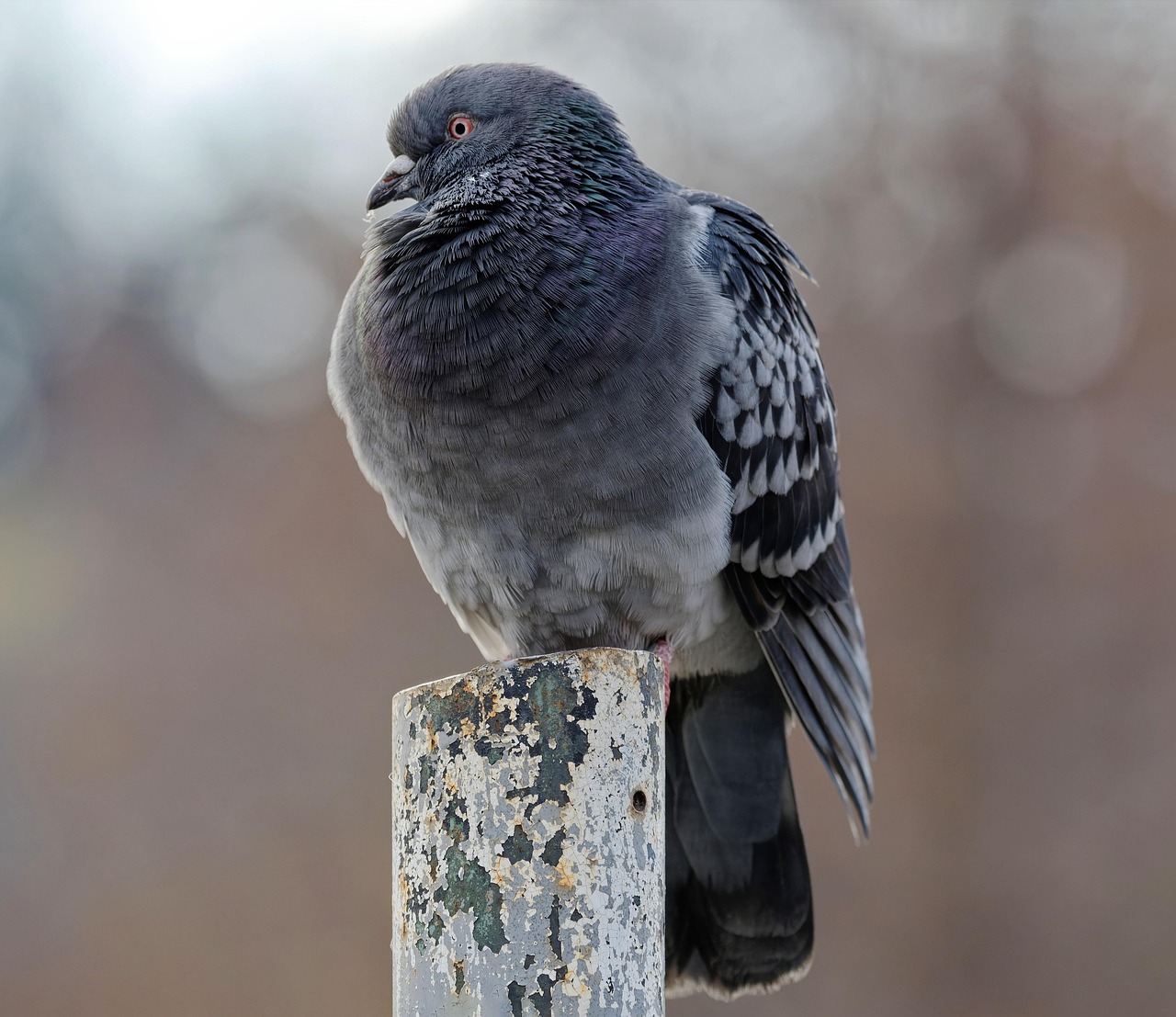
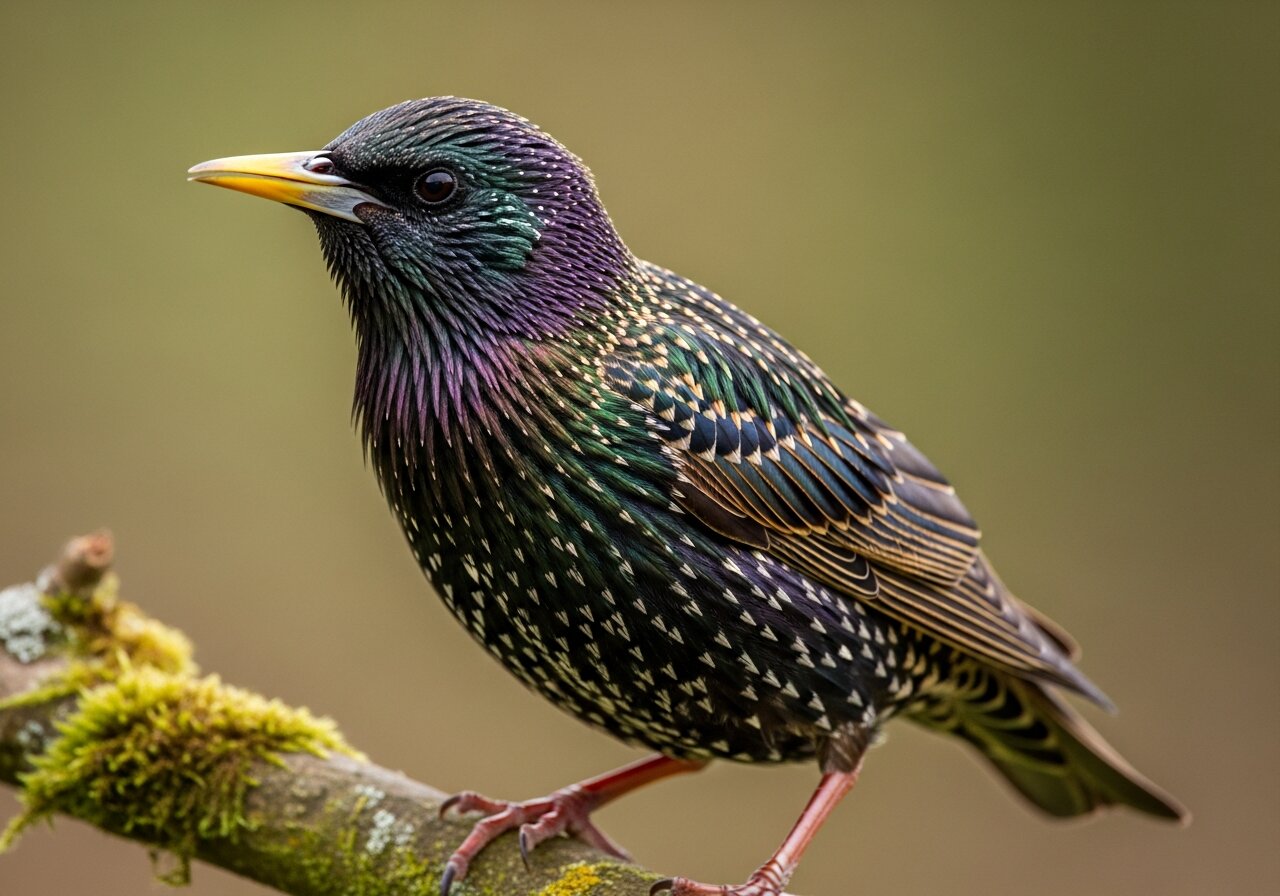
Most common urban pest bird; highly adaptable.
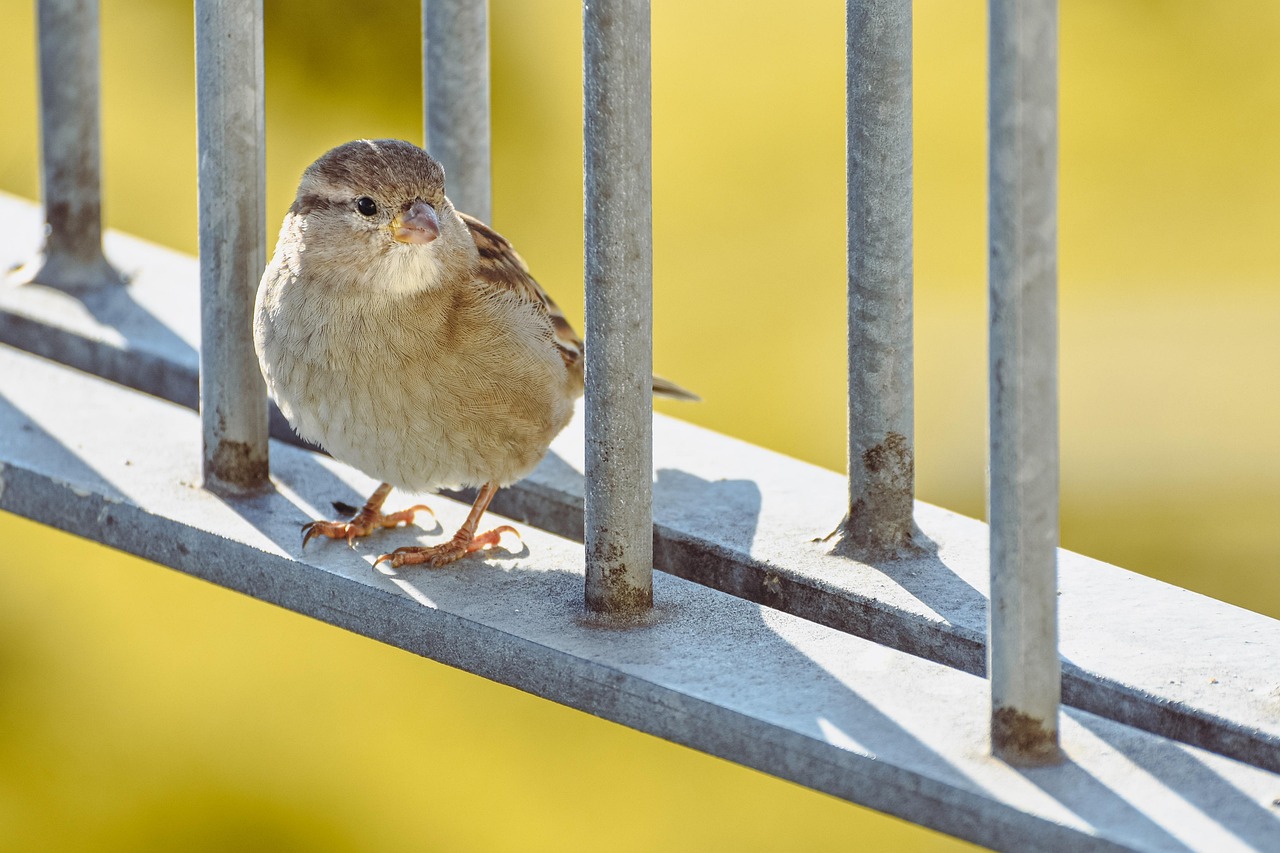
Nest in building cavities and vents.
Form massive flocks; droppings create hazards.
Protected species; build mud nests on buildings.
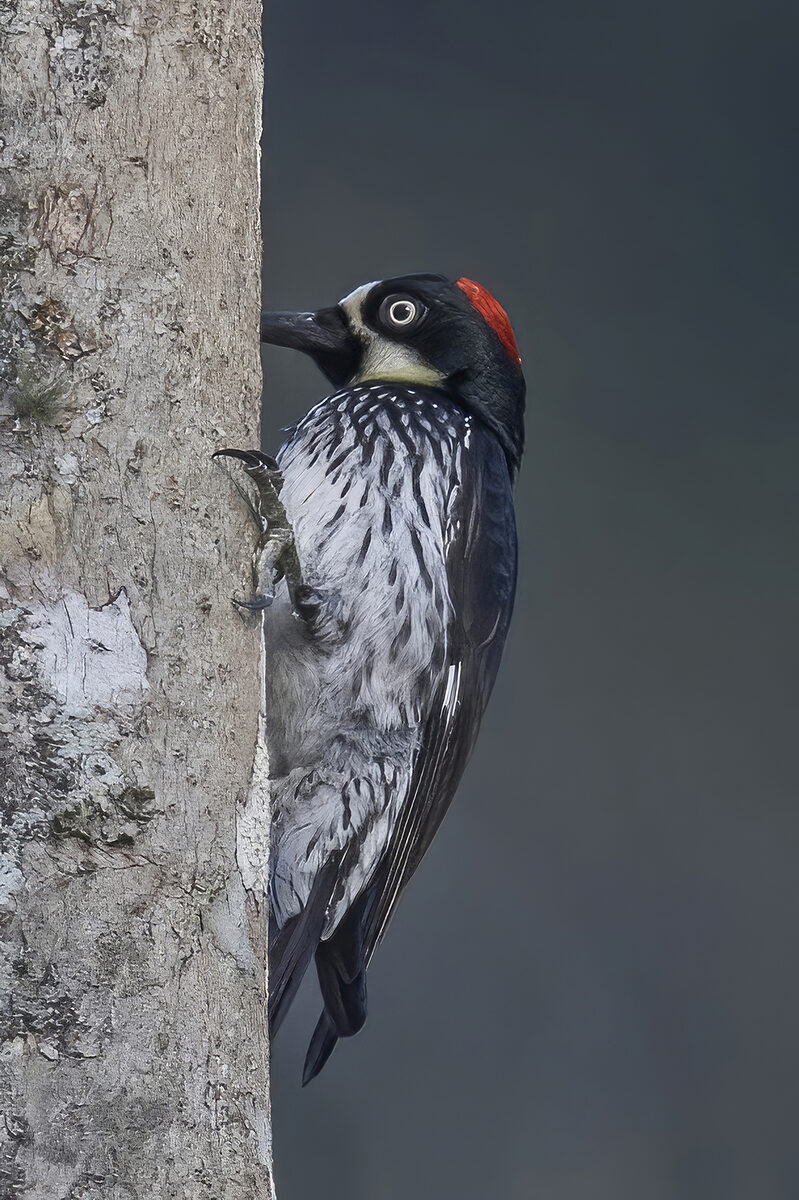
Drill holes in siding; federally protected.
Large birds causing significant mess and noise.
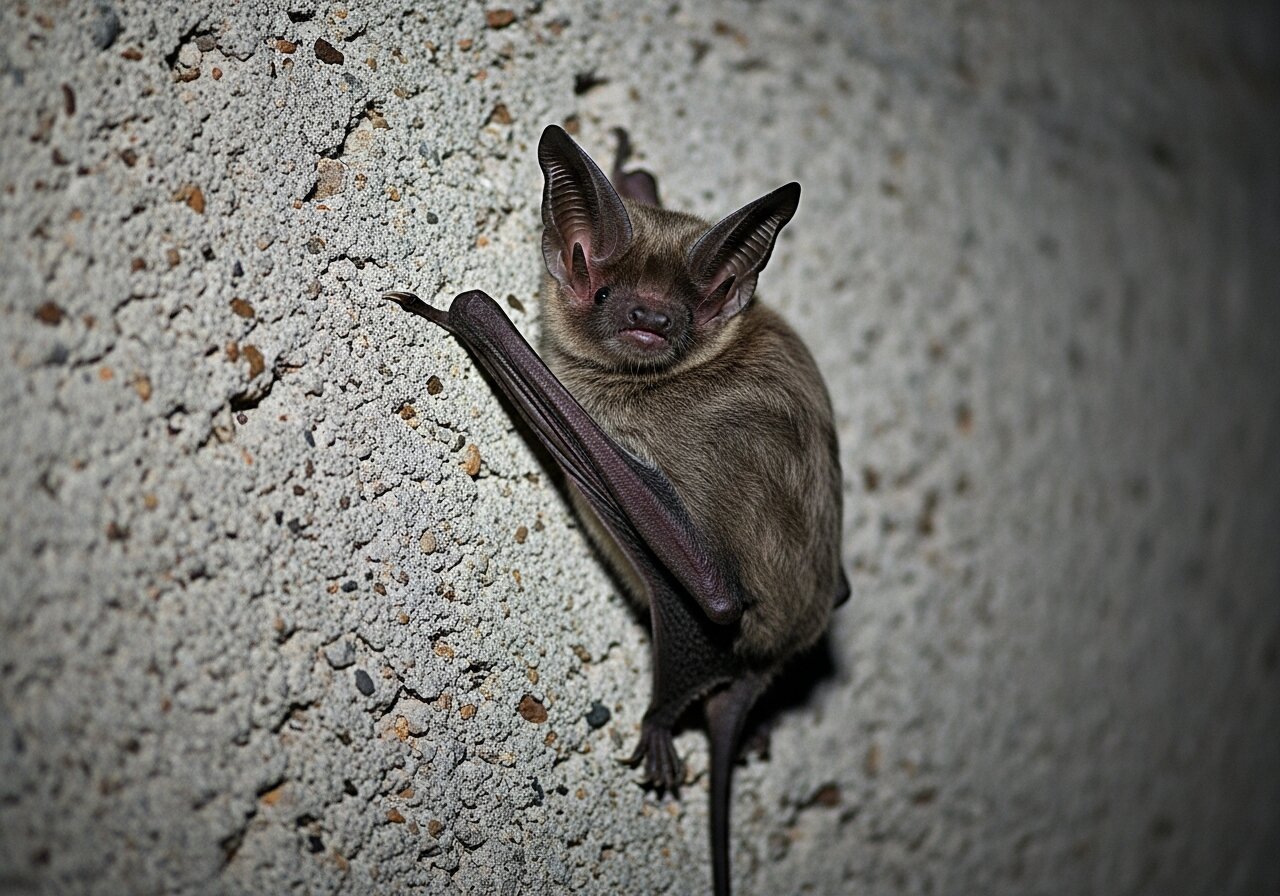
Most common California bat; colonies in attics.
Prefers buildings; active in cold weather.
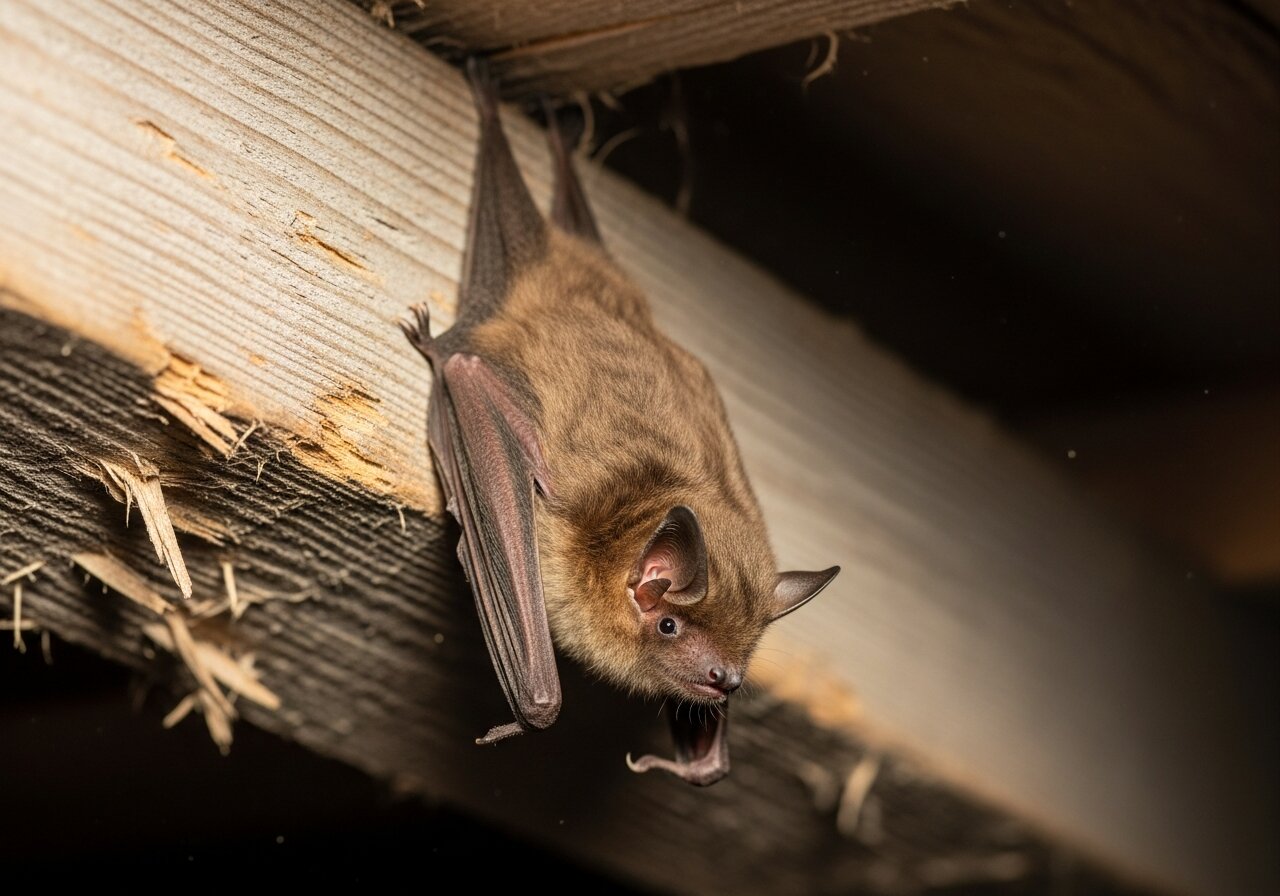
Hibernates in structures during winter.
Roosts in rock crevices and buildings.

Observe where birds or bats enter and exit your home. This helps your technician plan the exclusion strategy.

Record when you see the most activity — dawn, dusk, or overnight. This tells your technician when animals are coming and going.

Ensure your technician can easily reach the attic, crawl space, or storage areas where nesting may be occurring.

Take photos of droppings, nesting material, or damage. This helps your technician assess the situation before arrival.

Don't seal holes yourself — animals may get trapped inside, causing odor and health problems. Let your technician handle exclusion.

Keep children and pets away from contaminated areas until your technician can assess and address the situation.
Tap a card to learn what it means for your home — and what ATCO does about it.
Pigeon droppings are corrosive to metal, HVAC systems, and building facades — and carry histoplasmosis and cryptococcus. 10 birds = 100 lbs.
Schedule ConsultationThe world's fastest bat is also fully protected by California law. Exclusion is the only legal option — no extermination, ever.
Schedule ConsultationATCO does not provide honeybee removal or relocation. For honeybee swarms or colonies, contact a local beekeeper or honeybee relocation specialist directly.
Read UC ANR IPM guidanceOne big brown bat eats ⅔ of its body weight in beetles and moths every night — protecting your garden and crops. Exclusion only, never extermination.
Schedule ConsultationBats and woodpeckers are legally protected species. ATCO uses professional exclusion devices installed by licensed specialists — fully legal.
Schedule ConsultationBird nests in vents cause fires; bat guano accumulates fast. Call ATCO for same-day assessment before the problem compounds.
Schedule ConsultationWatch for droppings accumulating on ledges, windowsills, or around your roofline. Scratching or squeaking sounds in the attic at dusk signal bats, while nesting materials in vents, gutters, or eaves indicate birds have moved in.
Birds and bats seek sheltered roosting spots like eaves, attics, and chimneys. Unsealed vents and gaps in the roofline provide easy access. Nearby food sources such as open trash, pet food, fruit trees, and standing water make your property even more appealing.
Bird and bat droppings are acidic and corrode paint, metal, and masonry. Accumulated guano can harbor histoplasmosis spores, a serious respiratory concern. Nests block ventilation, create fire hazards, and attract secondary pests like mites and beetles.
Contact a professional if you have bats in your living space, a large colony in the attic, or birds nesting in vents or chimneys. Many species are legally protected, and improper removal can result in fines or harm to the animals. Humane exclusion requires proper timing and technique.
Birds nest most actively in spring and early summer. Bat maternity season runs from about May through August, when exclusion should be avoided to protect flightless pups. Fall and winter are ideal times for sealing entry points before the next breeding cycle begins.
Seal gaps along rooflines, eaves, and vents with hardware cloth or mesh. Install vent covers and chimney caps. Remove old nests after the season ends, keep trash secured, and trim tree branches that overhang your roof to reduce roosting opportunities.

Inspect rooflines, eaves, and vents for gaps. Cover openings with hardware cloth or mesh to block nesting access.
After birds leave for the season, remove old nests from ledges and eaves to discourage return visits.
Reflective tape, predator decoys, and motion-activated lights deter birds from roosting on your property.

Keep trash sealed, clean up pet food, and use bird feeder baffles to feed songbirds without attracting pests.

Droppings are acidic and corrode paint, metal, and masonry. Clean roosting areas regularly with gloves and a mask.
A bat house on a nearby tree gives bats an alternative roost after exclusion — keeping them around to eat mosquitoes without living in your attic.
Many species are protected by the Migratory Bird Treaty Act. Removing active nests with eggs or chicks can result in federal fines.
Bats are protected in California. Trapping, poisoning, or harming them is illegal. Use humane exclusion during the proper season.
Sealing holes with bats or birds still inside traps them in your walls — causing odor and health hazards.
Droppings can carry histoplasmosis and other pathogens. Always wear gloves, a mask, and dampen droppings before cleaning.
Identify species, entry points, and infestation extent.
Install one-way doors and exclusion netting.
Close all entry points after animals depart.
Remove droppings, sanitize, and repair damage.
Exclusion methods fully compliant with federal and state wildlife regulations.
Professional humane exclusion from the Bay Area's trusted experts.
Min. $300 service
Claim This Discount40+ years protecting Bay Area homes
Real reviews from Google, Yelp & more — updated live.
Get your inspection today. No obligation.
Schedule Your Inspection →What California homeowners search for most about nuisance bird and bat removal.
Choose a service, check eligibility, then select a date and arrival window. Your appointment is not booked until you confirm it.
ATCO does not provide honeybee removal or relocation. For honeybee swarms or colonies, contact a local beekeeper or honeybee relocation specialist directly.
Select one service below. The next step opens automatically. For termites, also choose whether you want a specific-area/second-opinion inspection or a whole-home/property inspection.
Service eligibility is checked for your ZIP code in the next step.
Enter the service ZIP code and wait for the check. If the driving-range check appears, enter the service address and select Check driving range. Then check the owner-occupied, single-family, adult decision-maker box. The next step opens automatically after eligibility is verified and that box is checked.
A ZIP check confirms service-area eligibility; property requirements must also be confirmed below.
We'll check this ZIP with our scheduling service.
Select an available date on the calendar. The arrival-window step opens automatically after you choose a date. If dates do not load, select Refresh availability.
Select one available arrival window. The contact-information step opens automatically after you choose it.
Select a date to see available windows.
Your technician will arrive within the selected window.
Complete the required fields, including the service address and home details. Select Review Appointment when finished. If an address suggestion appears, review it and select Use this address and review to continue. Review Appointment does not book the appointment.
Check the appointment and contact details. In the card-on-file section, check the acknowledgement and select Yes, No, or I'm not sure. Then select Confirm Appointment to submit the booking. It is not booked before you confirm.
Appointment
Your Information
About Your Home
Your appointment is booked. Select Done to close this window. ATCO may call if a card-on-file follow-up is needed.
Questions or changes? Call (833) ECO-ATCO.
Don't Miss Out!
Claim your exclusive discount and save 12% OFF your pest control service.
Limited time offer for Bay Area residents
Redeem This Coupon