
Eliminate Cockroaches for Good!

Expert Cockroach Control in the Bay Area
ATCO eliminates roaches at the source with natural, targeted treatments.
Common Bay Area Cockroaches
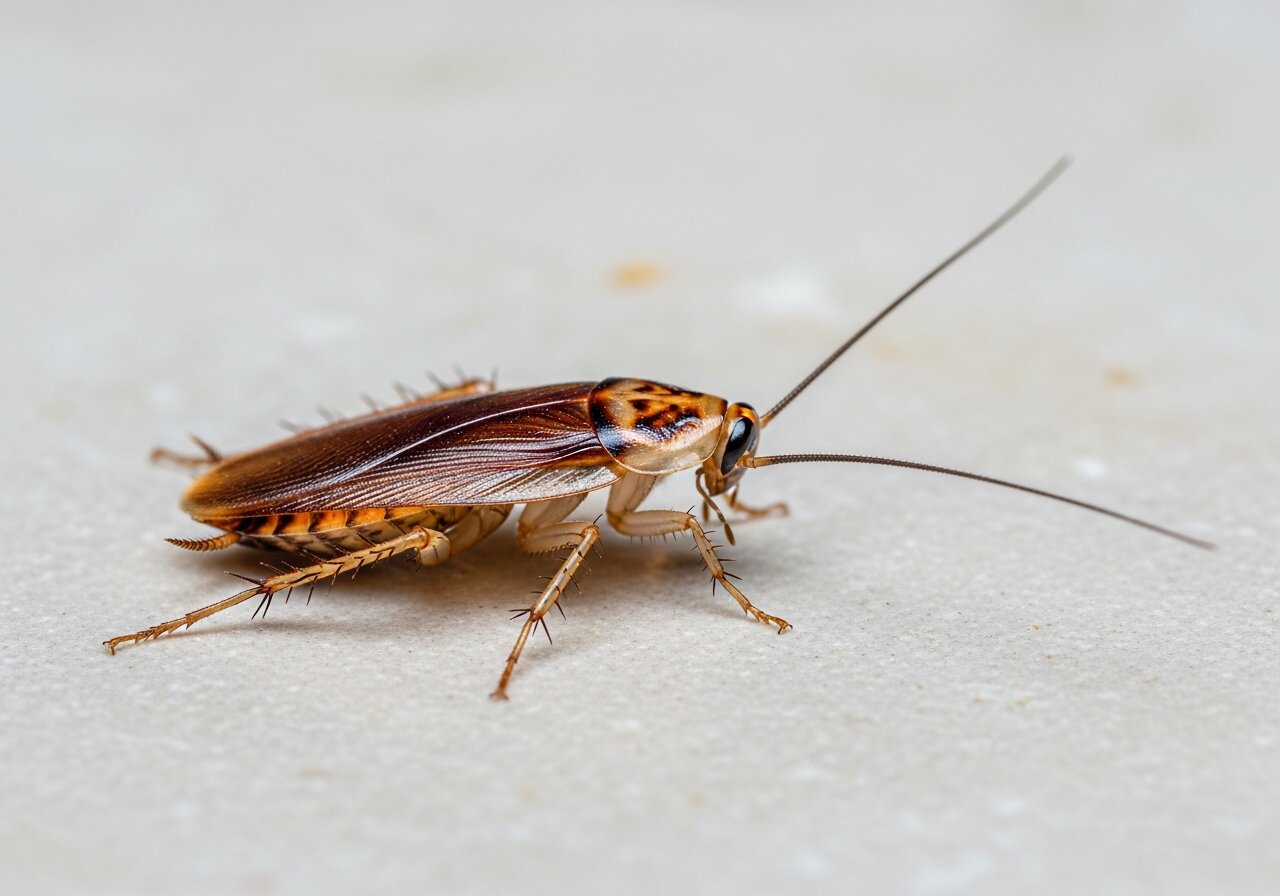
German Cockroach
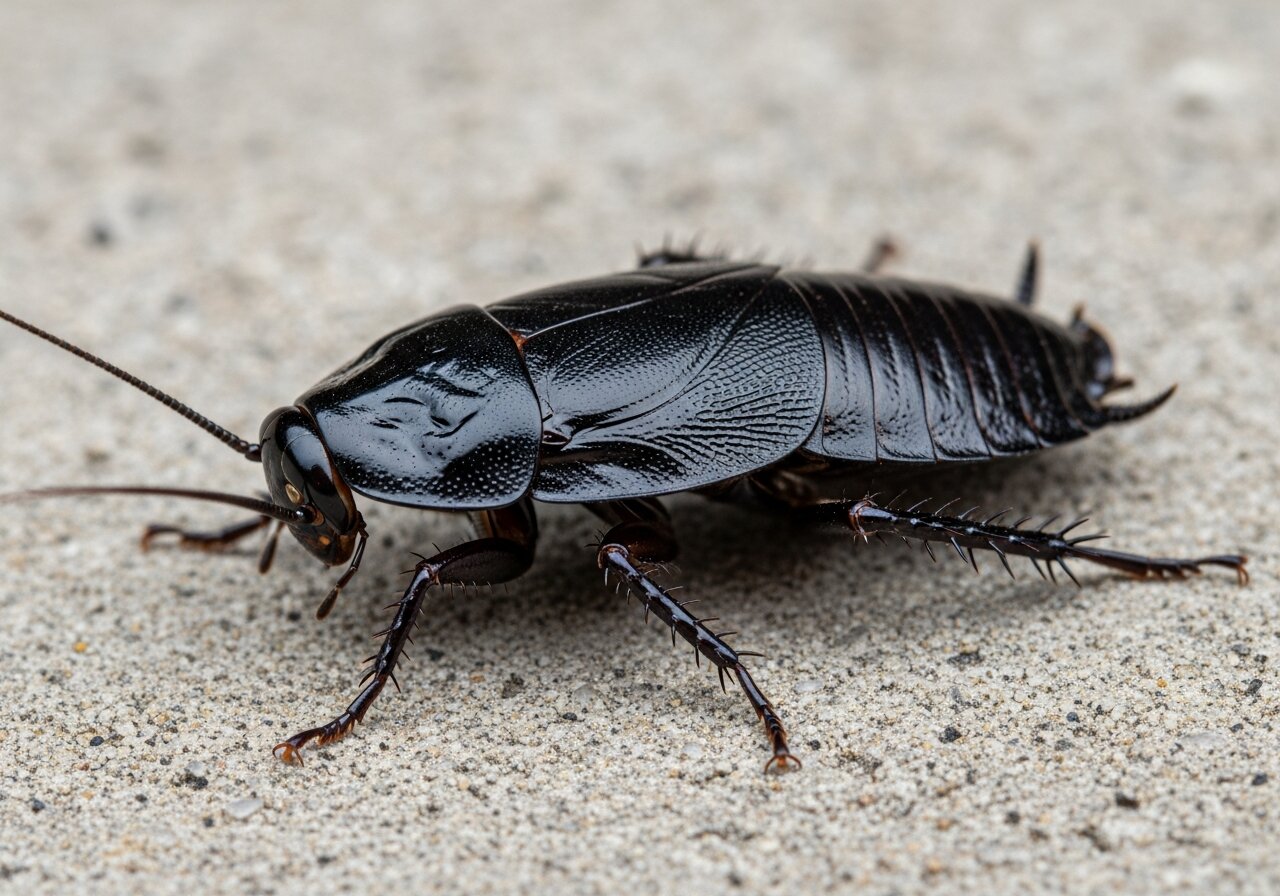
Oriental Cockroach
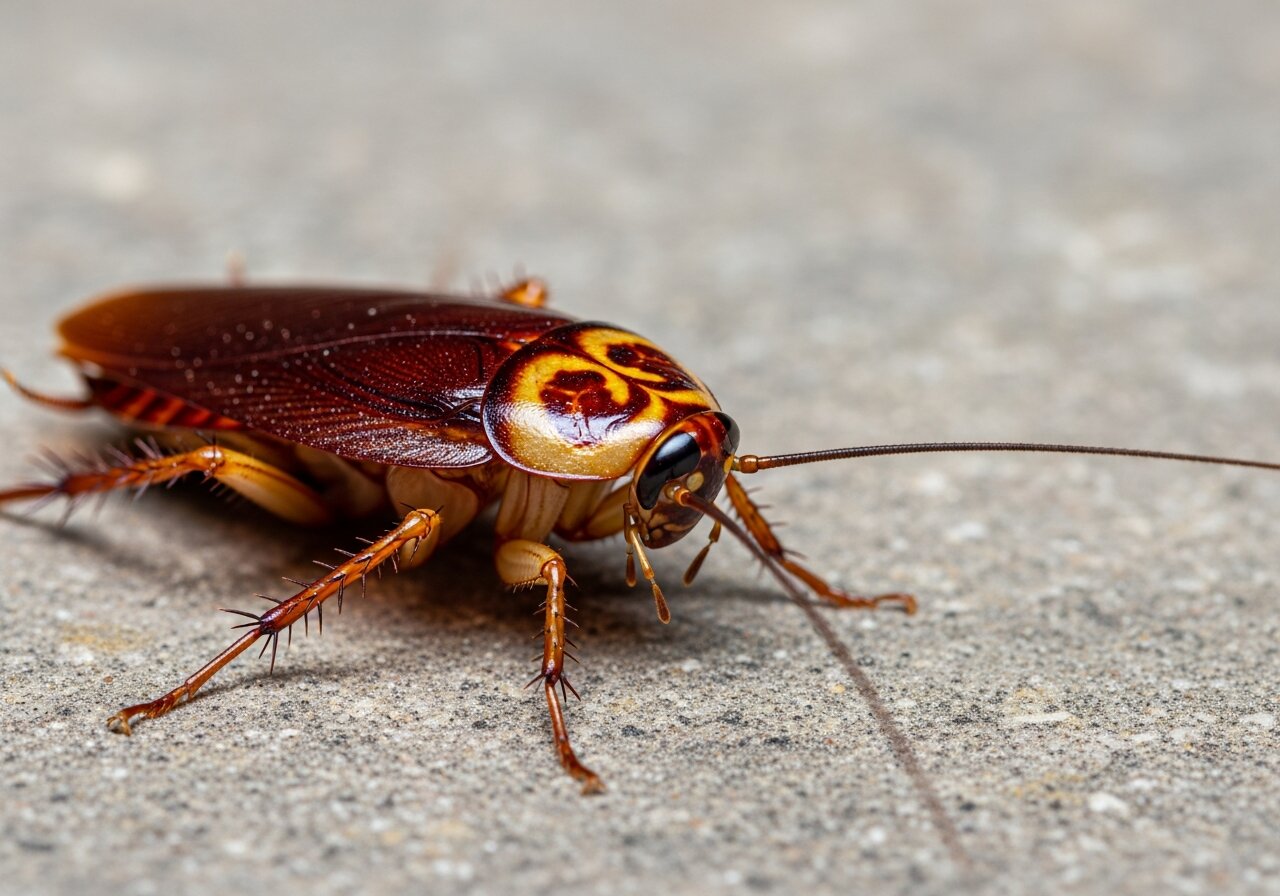
American Cockroach
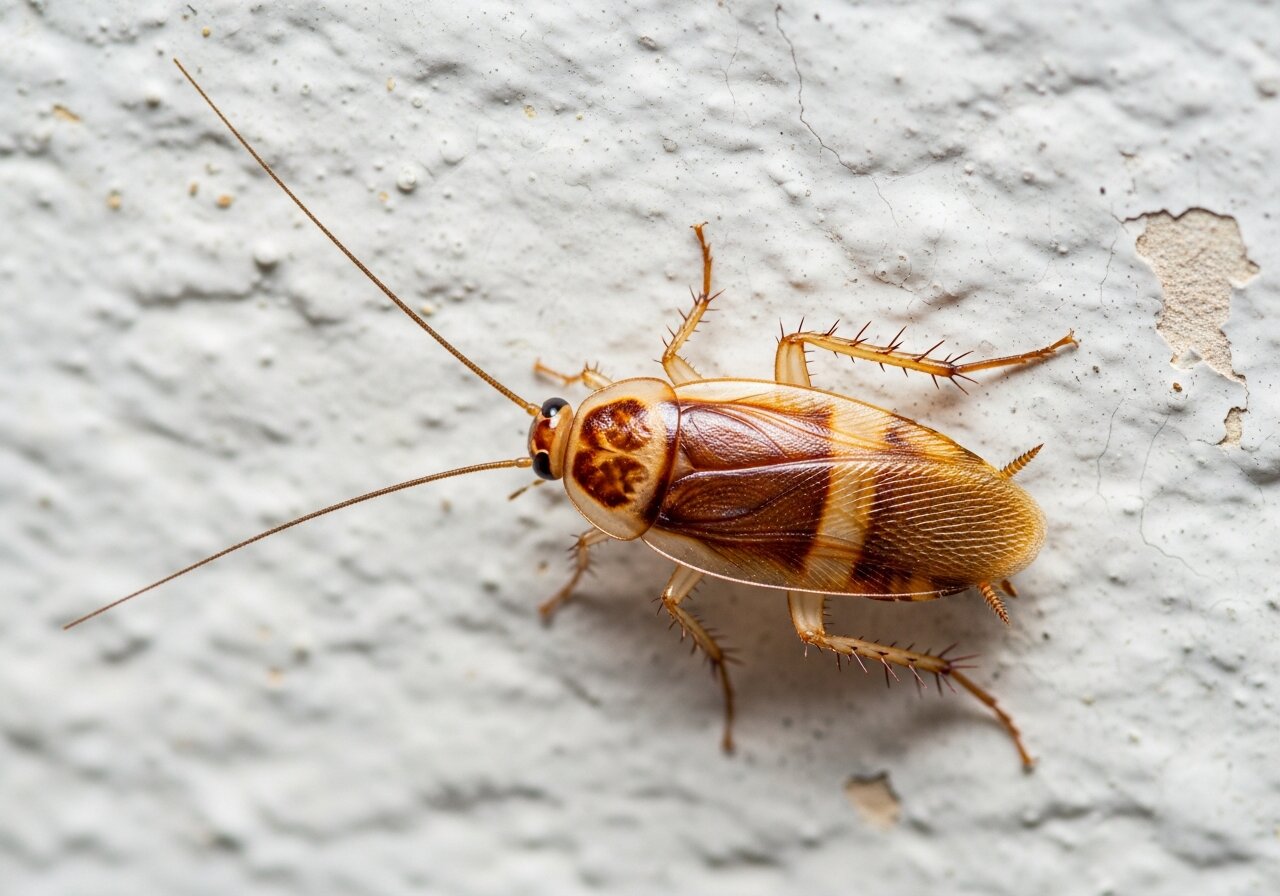
Brown-Banded Cockroach
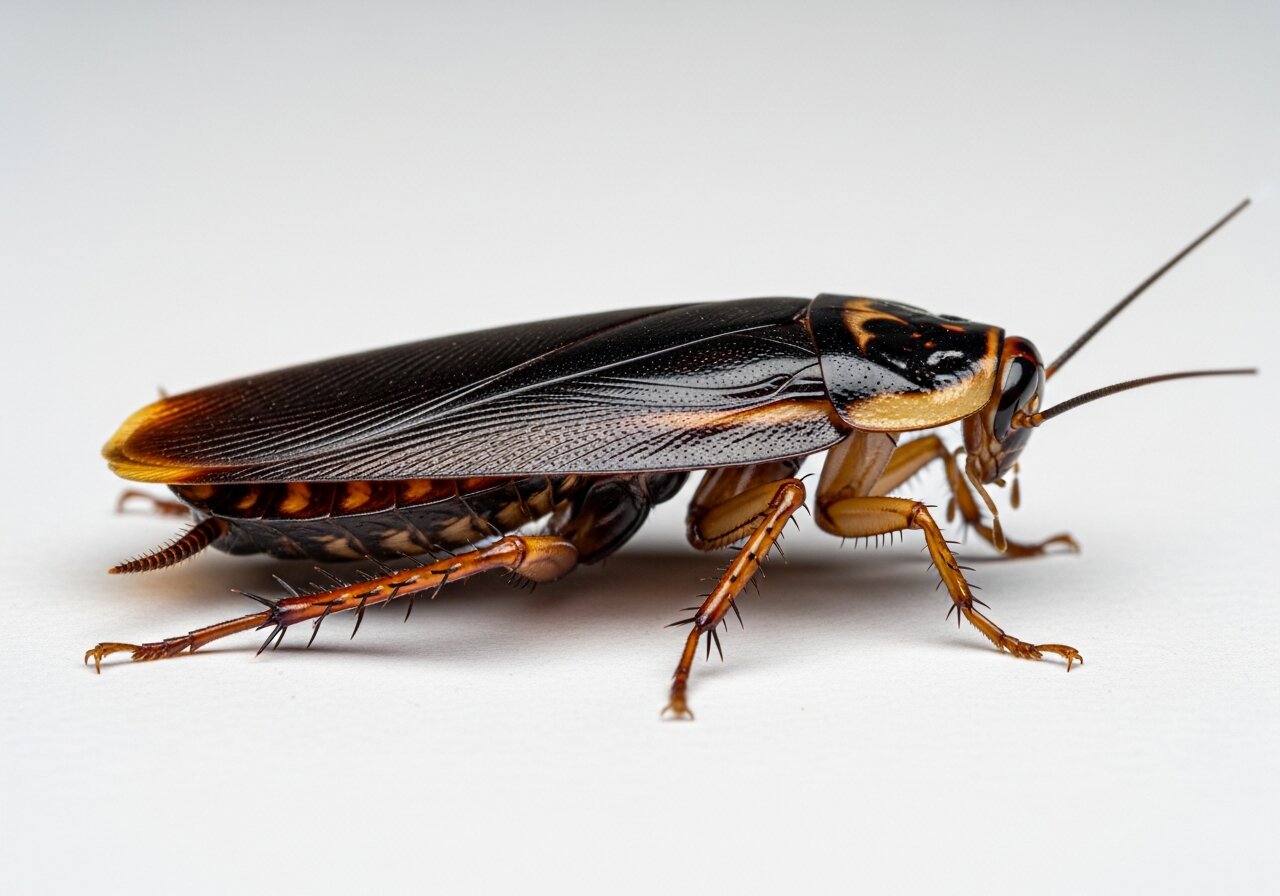
Turkestan Cockroach
Roaches Are Tougher Than Most Sprays.
German and American cockroaches build resistance to over-the-counter products. ATCO uses professional-grade gel baits and growth regulators that break the breeding cycle.
- Gel bait & IGR treatment
- Kitchen and bathroom focus
- Follow-up inspection included
Call us: (415) 742-2826 · Or use the coupon to schedule online.
General Pest Control Service
- Min. $350 required
- 1-Year pest protection plan required
- Termite services excluded
ATCO Pest Control — Bay Area
Prepare for Your Appointment

Deep Clean Your Kitchen
Wipe down counters, clean behind appliances, and remove food debris to maximize treatment effectiveness.

Empty Cabinets Under Sinks
Clear items under kitchen and bathroom sinks so the technician can access common roach hiding spots.

Fix Leaking Pipes or Faucets
Roaches need moisture to survive. Eliminating water sources makes treatments far more effective.

Take Out All Trash
Remove all garbage and ensure trash cans are clean. Food waste attracts and sustains roach populations.

Store Food in Airtight Containers
Transfer open food packages into sealed containers to cut off the roach food supply.

Vacuum Thoroughly
Vacuum floors, baseboards, and behind furniture to remove roach eggs, droppings, and food particles.
What to Know About Cockroaches
Tap a card to learn what it means for your home — and what ATCO does about it.
Roaches survived the asteroid that wiped out dinosaurs. They adapt fast — which is exactly why DIY sprays keep failing you year after year.
Schedule ConsultationGerman roaches locate a food source in under 30 minutes. A spotless kitchen isn't enough without professional treatment targeting the nest.
Schedule ConsultationOne pregnant German roach becomes thousands within 3 months. A single egg case changes everything. Act before the second generation hatches.
Schedule ConsultationRoaches breathe through their sides, not their mouths. If they survive without a head, store sprays won't stop a colony. Target the nest with IGRs.
Schedule ConsultationRoaches carry salmonella, E. coli, and allergens linked to childhood asthma. This is a health emergency, not just a nuisance pest.
Schedule ConsultationWe target the nest, not just the runners you see. Professional gel baits and IGRs stop breeding at the source — not just what's visible.
Schedule ConsultationDid You Know?
Signs of a Roach Problem
Look for small dark droppings that resemble coffee grounds or black pepper, oval-shaped egg cases (oothecae) in hidden areas, and a musty or oily odor. Seeing even one roach during the day usually means a large population is hiding nearby.
What Attracts Them
Food scraps, grease buildup, standing water, and warm environments draw cockroaches indoors. Even pet food left out overnight or a slow-dripping faucet can sustain a colony.
Health Risks
Cockroach droppings, shed skins, and saliva are known asthma and allergy triggers, especially in children. They also carry bacteria like E. coli and Salmonella, contaminating food prep surfaces as they forage.
Why They're Hard to Eliminate
Roaches are nocturnal and scatter when disturbed, making them hard to target. They reproduce rapidly — a single German cockroach can produce thousands of offspring per year — and many populations have developed resistance to common pesticides.
Where They Hide
Kitchens, bathrooms, and laundry rooms are prime territory. Roaches nest behind appliances, inside wall voids, under sinks, around plumbing, and inside electronics where warmth and moisture converge.
Prevention
Seal cracks around pipes, doors, and windows. Fix leaky faucets and drains promptly. Wipe down counters and sweep floors every night. Store food in airtight containers and take trash out daily.
What You Can Do
Eliminate Food Sources
Store food in sealed containers, clean crumbs immediately, and never leave dishes in the sink overnight.
Fix Moisture Issues
Repair leaky faucets, pipes, and drains. Roaches need water more than food — cut off moisture and they'll move on.

Seal Entry Points
Caulk cracks around pipes, baseboards, and windows. Use weather stripping on doors to block roach entry routes.
Take Out Trash Regularly
Use trash cans with tight lids and empty them daily. Food waste and grease are prime roach attractants.
Deep Clean Appliances
Pull out stove, fridge, and dishwasher regularly to clean behind them. Grease buildup is a prime roach food source.
Store Pet Food Properly
Never leave pet food bowls out overnight. Store dry pet food in sealed containers — it's a top roach attractant.
What to Avoid

Don't Use Bug Bombs
Foggers rarely reach where roaches hide and can scatter them to new areas of your home.
Don't Just Squish Them
Stepping on an egg-carrying roach spreads babies around your home. It also does nothing about the hidden colony.
Don't Over-Apply Sprays
Excessive sprays harm your family and pets while creating chemical-resistant roach populations that are harder to eliminate.
Don't Ignore the Problem
One visible roach means many more are hiding. A single German cockroach pair can produce 300,000+ offspring per year.
Our Roach Control Process
Interview & Inspection
We assess your home's specific infestation and identify entry points.
Customized Plan
Tailored treatment recommendations — not one-size-fits-all.
Common Sense Treatment
Glue traps, roach bait, vacuum extractions, and perimeter treatments.
Monitoring & Follow-Up
Regular checks to prevent roaches from returning.
Health Risks of Roaches
Disease Transmission
Roaches carry bacteria like Salmonella, E. coli, and other pathogens.
Allergy Triggers
Roach allergens cause asthma attacks and allergic reactions.
Food Contamination
Roaches contaminate food and surfaces with their droppings.