
Say Goodbye to Ants for Good!

Expert Ant Control in the Bay Area
ATCO eliminates ants at the source — guaranteed.
Common Bay Area Ants
Use the identification details to learn what you may have.
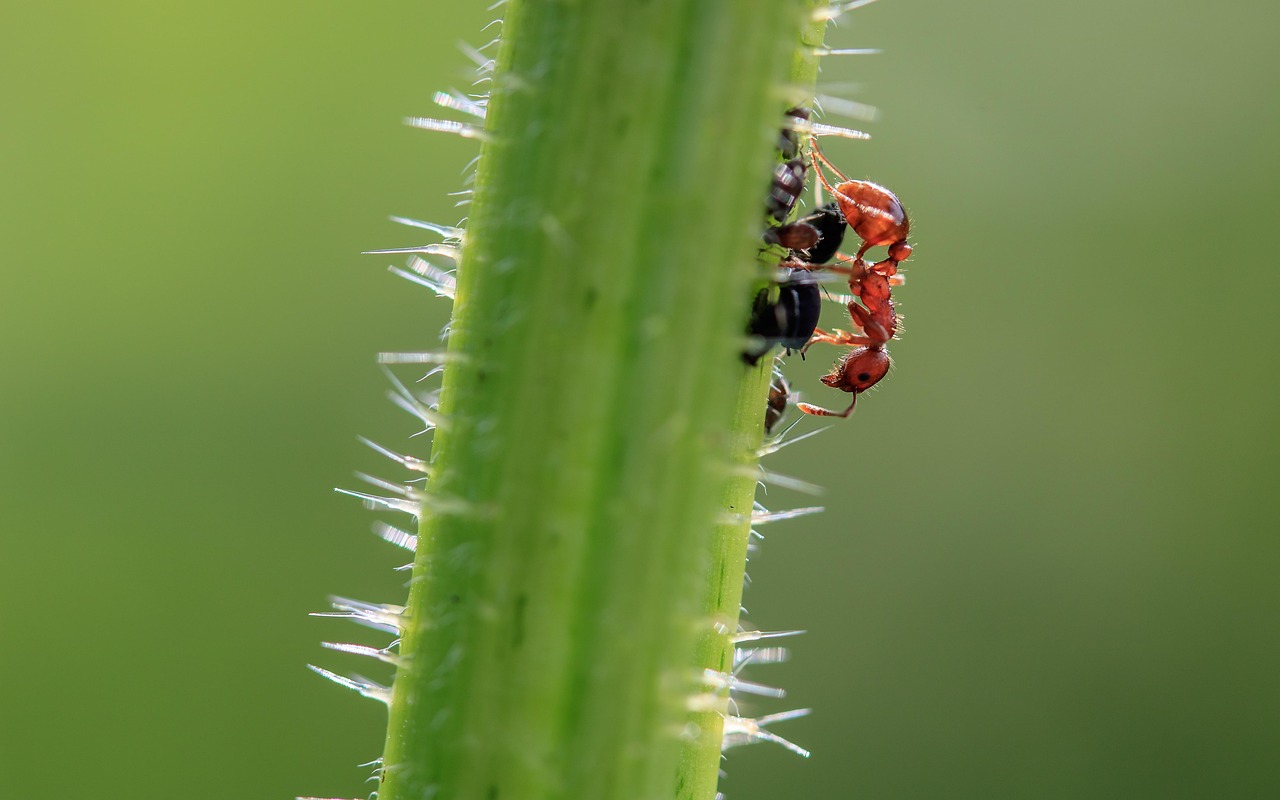
Argentine Ant
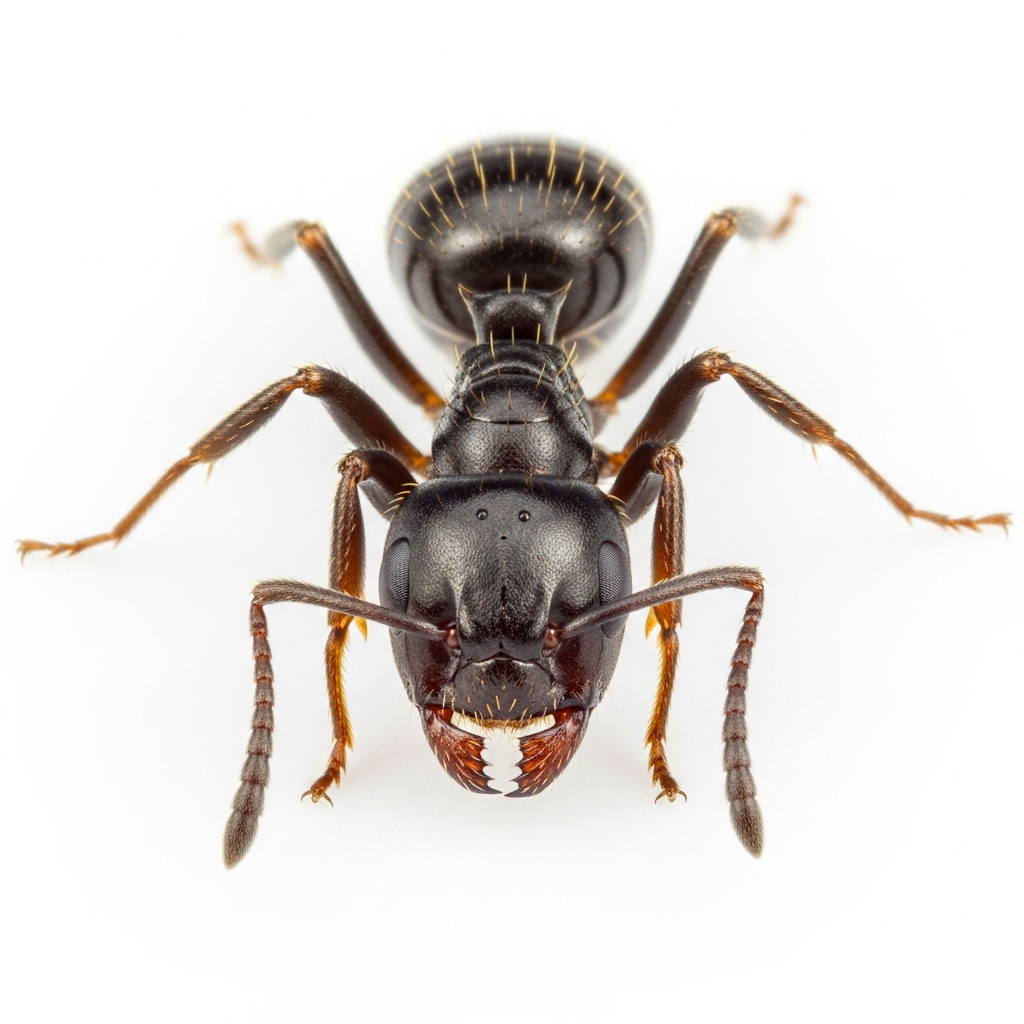
Odorous House Ant
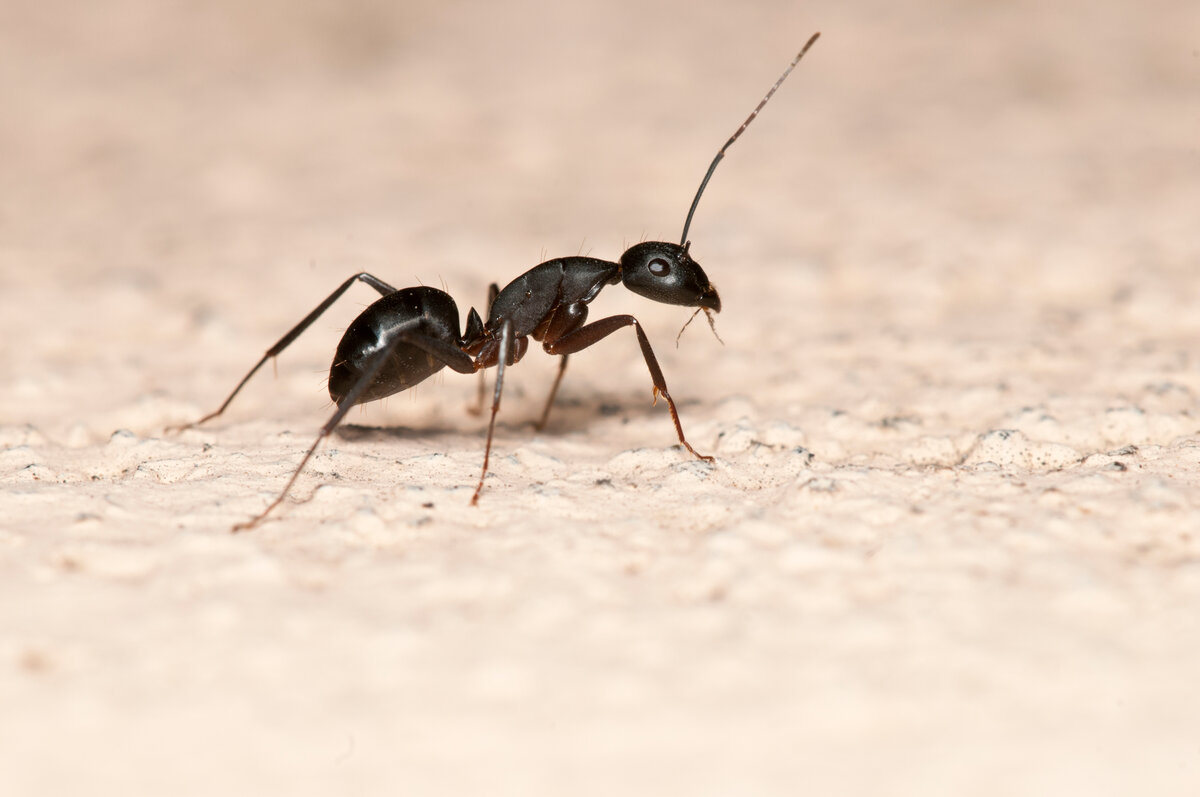
Carpenter Ant
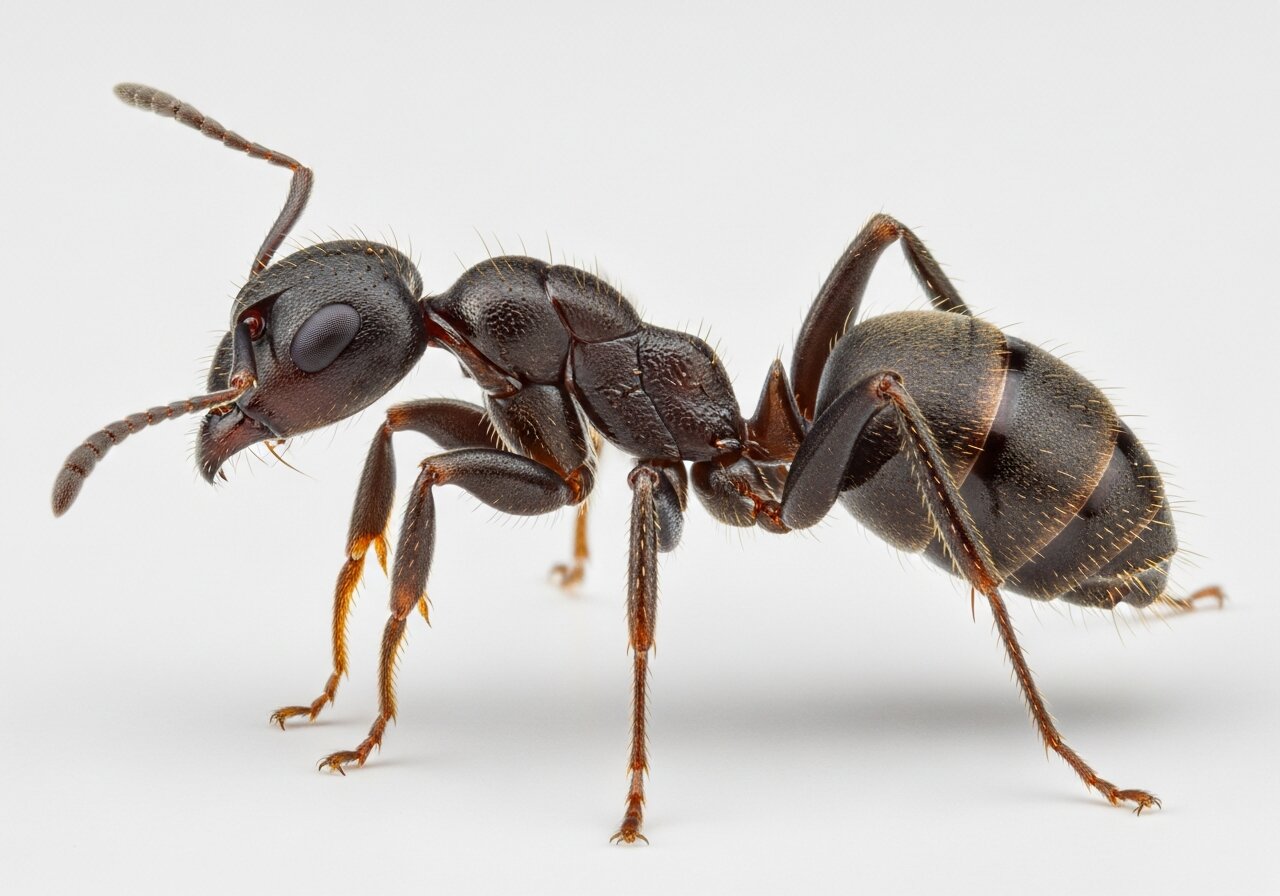
Pavement Ant
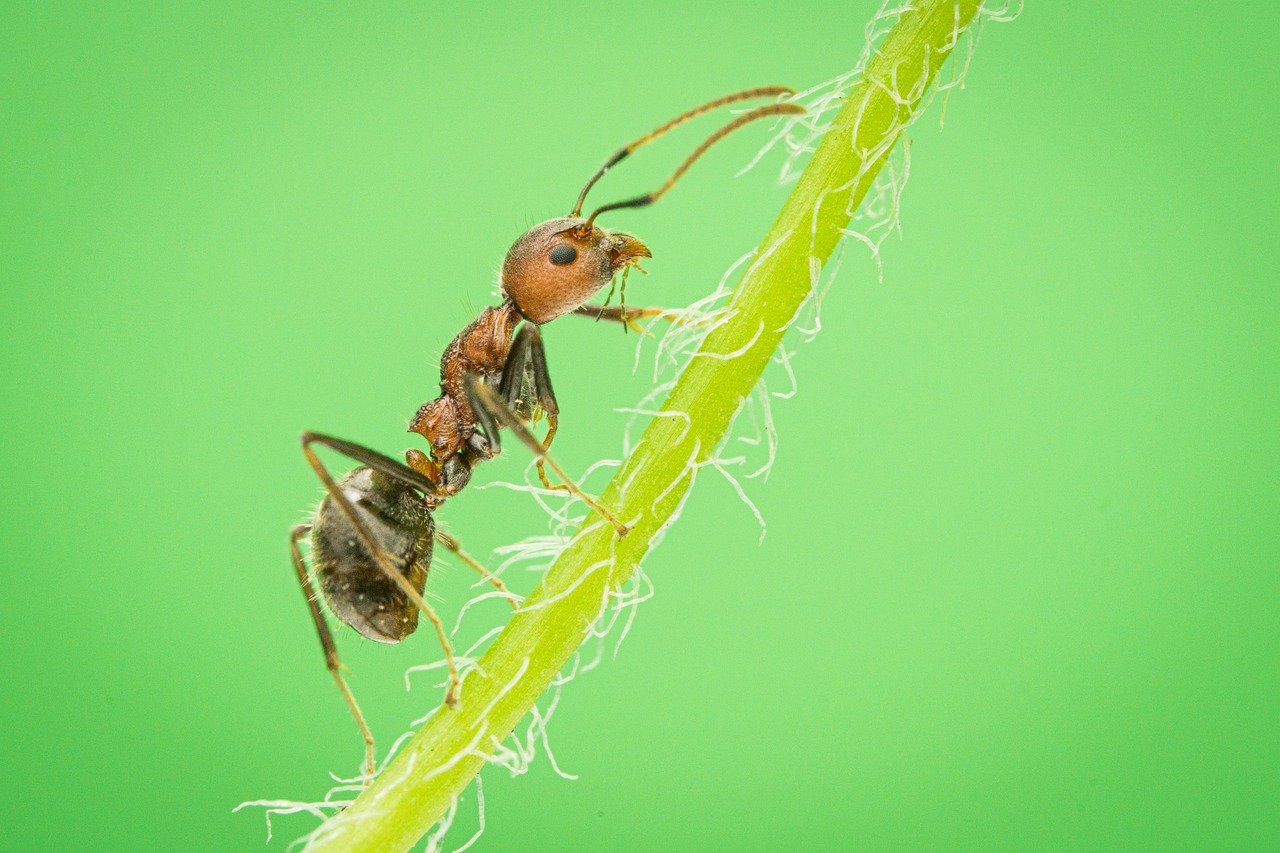
Pharaoh Ant
One Ant Is Never Just One Ant.
Argentine ants trail in by the thousands. Our targeted baiting and barrier treatments stop them at the colony — not just the counter.
- Colony-targeting baits
- Exterior perimeter protection
- Pet and child safe options
Call us: (415) 742-2826 · Or use the coupon to schedule online.
Ant Control Services
- Min. $250 required
- 1-Year Service Agreement required
- Termite services excluded
ATCO Pest Control — Bay Area
Prepare for Your Appointment

Clear Counters of Food & Crumbs
Wipe down kitchen countertops and dining surfaces so your technician can spot ant trails and entry points.

Move Food Into Sealed Containers
Transfer open pantry items into airtight containers to remove the food sources attracting ants.

Pull Appliances Away From Walls
Move fridge, stove, and dishwasher a few inches out so your technician can inspect and treat behind them.

Trim Vegetation Touching the House
Cut back branches, shrubs, or vines contacting your exterior — ants use these as bridges into your home.

Note Where You've Seen Ant Trails
Jot down locations of ant activity — baseboards, windows, plumbing — to help your technician target treatment.

Pick Up Pet Dishes (Day–of)
Before we arrive, remove food and water bowls from floors so your technician can access and treat all ground-level areas without obstruction.
Did You Know?
Tap any card — then decide if DIY is worth the risk.
Colony-targeted baiting.
If ants return between visits,
we come back — free.
What You Can Do
Keep Surfaces Clean
Wipe counters, sweep floors, and clean crumbs immediately. Removing food traces breaks their scent-trail cycle.
Store Food in Sealed Containers
Transfer sugar, cereals, and pet food into airtight containers. Even the smallest opening invites scout ants.

Trace & Seal Entry Points
Follow ant trails to where they enter your home. Seal cracks around windows, doors, and pipes with caulk.

Use Natural Deterrents
Vinegar, lemon juice, or peppermint oil along entry points can temporarily disrupt scent trails.
Wipe Surfaces with Soapy Water
Dish soap and water destroys chemical scent trails. Wipe counters, windowsills, and baseboards regularly.
Trim Trees & Shrubs Away from Walls
Vegetation touching your home acts as a bridge. Keep branches trimmed 12+ inches from exterior walls and rooflines.
What to Avoid

Don't Spray Visible Ants
Spraying kills a tiny fraction. The colony adapts and reroutes scouts, making the problem harder to track.
Don't Ignore Small Trails
A few ants are scouts. If they find food, they recruit thousands. A minor trail can become a full infestation in days.
Don't Rely on Store-Bought Baits Alone
Workers often die before reaching the nest, so bait never reaches the queen. The colony survives and keeps growing.
Don't Leave Pet Food Out Overnight
Ongoing prevention: Pet food left overnight is a top ant attractant year-round. Establish the habit of picking up bowls after the last evening feeding and storing open bags in sealed canisters.
Schedule your ant inspection →