🐿️
🐿️
Wildlife Control
Professional Squirrel Control
Chewing your wires and nesting in your attic right now.
🔥
#1 Cause of Attic Fires
Why Squirrels Are Dangerous
🔥 Fire Hazards
Constantly gnaw electrical wiring — the #1 cause of unexplained attic fires.
🏠 Insulation Damage
Tear up insulation for nesting, reducing energy efficiency and creating costly repairs.
💧 Water Damage
Chew through roofing and soffits, creating entry points for water, rot, and mold.
📢 Constant Noise
Early morning scurrying and scratching in attics disrupts sleep and signals a growing problem.
Identify Your Pest

Eastern Gray Squirrel
Size: 18–20 inches (including tail)
Color: Gray fur with white underside and bushy gray tail
Key Fact: Most common attic invader; can squeeze through 1.5-inch openings

Fox Squirrel
Size: 20–24 inches (including tail)
Color: Rusty-orange to reddish-brown fur; largest tree squirrel
Key Fact: More territorial and aggressive; known for bark stripping

Ground Squirrel
Size: 14–20 inches (including tail)
Color: Brown with lighter spots or stripes; shorter, less bushy tail
Key Fact: Digs extensive burrow systems; can undermine foundations
Self-Service
Book Your Consultation Online Now
Skip the phone queue -- schedule your pest inspection in under 60 seconds, 24/7.
Pick Your Time
Choose a date that works
Instant Confirmation
No waiting for callbacks
No Obligation
Free estimates included
Did You Know?
Squirrels plant thousands of trees yearly by forgetting where they buried acorns. They fail to recover up to 74% of cached nuts.
Can survive falls from virtually any height — even 100 feet. Their fluffy tails act as parachutes and rudders.
They run in erratic zigzag patterns to confuse predators — the same instinct that makes them dart in front of cars.
Their teeth never stop growing. They must gnaw constantly to keep them filed — which is why they chew through wiring and wood.
Up to 20% of their burials are fakes. They pretend to bury nuts while keeping them hidden in their cheek pouch.
A single squirrel may maintain 4–5 nests (dreys), rotating between them to avoid parasites and predators.
What You Can Do
Keep branches 8–10 feet from your roofline. Squirrels can jump up to 10 feet horizontally.
Check for gaps around vents, soffits, and fascia. Even a 1.5-inch opening is enough for entry.
Switch to squirrel-proof models or place feeders on poles with baffles at least 10 feet from trees.
Cover vulnerable roofline areas with metal flashing. Squirrels chew through wood and plastic but not metal.
Thin or remove oak, walnut, and other nut trees growing directly against your house.
Clogged gutters provide nesting material and hide entry points. Keep them clear to spot gnaw marks and gaps.
What to Avoid
Rodenticides create secondary poisoning risks for owls, hawks, pets, and children.
Trapping squirrels inside leads to frantic chewing through walls and wiring — dramatically increasing fire risk.
Early morning attic scurrying means squirrels are nesting. The longer you wait, the more wiring damage accumulates.
No proven effectiveness. Squirrels quickly habituate to the sound and continue their activity.
Bay Area Squirrel Species
🐿️
Eastern Gray Squirrel
The most common attic invader. Excellent climbers that find the smallest entry points.
Most Common
🐿️
Western Gray Squirrel
Native to California. Larger with a distinctive silver-gray coat and white belly.
Native Species
🐿️
Fox Squirrel
Largest tree squirrel. Reddish-brown fur. Known for aggressive, territorial behavior.
Aggressive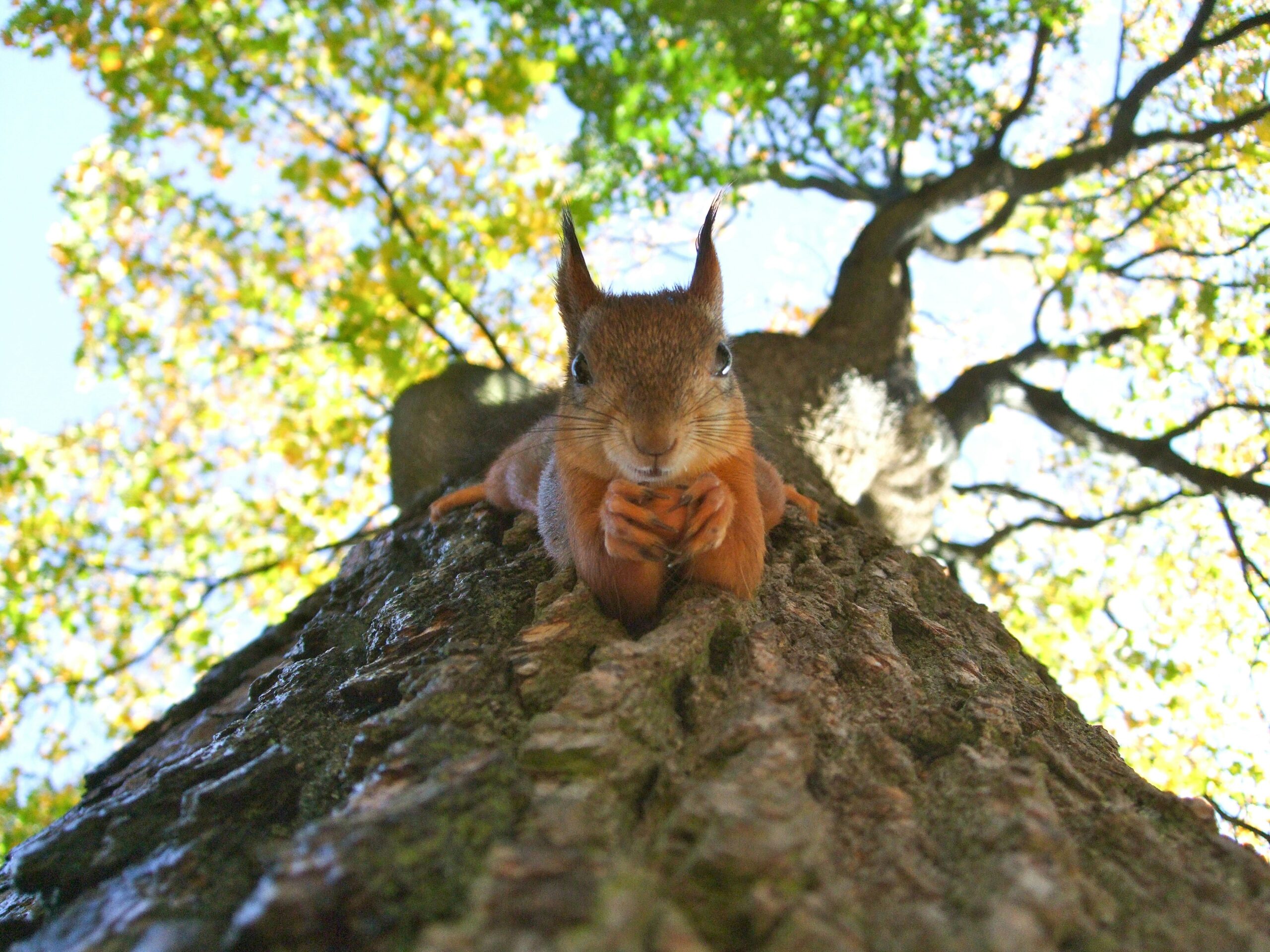 Caught in the act! 📸
Know Your Neighbor
Squirrels can jump 10 feet horizontally and squeeze through 1.5-inch openings. Professional exclusion is essential.
Our Squirrel Control Process
1
Complete Inspection
Find all entry points, runways, and nesting sites. Assess wiring and insulation damage.
2
One-Way Exclusion
Install one-way doors that let squirrels leave but prevent re-entry.
3
Seal All Entries
Heavy-duty materials to permanently close all access points.
4
Damage Assessment
Check wiring for chew damage, assess insulation, and recommend repairs.
Humane & Effective
We use exclusion methods that are both humane and effective for permanent home protection.
🌿
No Poisons
🚪
One-Way Doors
🔒
Permanent Exclusion
✅
Guaranteed
Squirrels Chewing Your Wires?
Every day you wait increases fire risk. We offer emergency same-day inspections.
Call Now: (833) ECO-ATCOPrepare for Your Appointment
Look for gnaw marks, damaged soffits, or gaps around vents on your roofline and note their locations.
Pay attention to which walls or rooms have scurrying sounds — especially in early morning — and write them down.
Move stored items away from your attic hatch or pull-down stairs for easy inspection access.
Photos of gnawed wiring, wood trim, or fascia help the technician assess damage scope.
Cut back branches within 8–10 feet of your roofline. Squirrels use overhanging limbs as highways to your attic.
Sealing entries with squirrels inside leads to frantic chewing through walls and wiring. Wait for professional confirmation.
Your technician will guide you on arrival.
Get Squirrel-Free Today
Diamond Certified since 2009 · 40+ Years of Excellence · Satisfaction Guaranteed
Book Your Consultation Online Now → Or call (833) ECO-ATCO