
🐝
🐝
Stinging Insect Control
Bees, Wasps & Stinging Insects
Professional nest removal and humane bee relocation — bees, wasps, hornets, yellow jackets, carpenter bees & more.
⚠️
DO NOT Attempt DIY Removal
Why Stinging Insects Are Dangerous
🐝 Multiple Stings
Wasps and hornets sting repeatedly, triggering mass attacks.
💉 Allergic Reactions
Anaphylaxis from stings can be life-threatening.
🔍 Hidden Nests
Wasps nest inside walls, attics, eaves, and underground.
⚠️ Rapid Growth
Nests can grow to thousands of insects in one summer.
Common Stinging Insects We Handle
🐝
Yellow Jackets
Hover to learn moreYellow Jackets
Aggressive and territorial. Build nests in ground cavities, wall voids, and attics. Most common cause of stings.
Aggressive
🐝
Paper Wasps
Hover to learn morePaper Wasps
Build open-comb nests under eaves and overhangs. Sting when threatened but less aggressive than yellow jackets.
Moderate
🐝
Honeybees
Hover to learn moreHoneybees
Essential pollinators we protect! We relocate honeybee colonies to local beekeepers instead of destroying them.
Protected
🐝
Carpenter Bees
Hover to learn moreCarpenter Bees
Bore holes into wood structures. Males are territorial but cannot sting. Females rarely sting unless handled.
Wood Damage
🐝
Mud Daubers
Hover to learn moreMud Daubers
Build mud nests on walls and ceilings. Generally non-aggressive and rarely sting. Beneficial predators of spiders.
Low Risk
🐝
Hornets
Hover to learn moreHornets
Large and powerful stingers. Build football-shaped nests in trees and shrubs. Highly defensive of nest area.
Very AggressiveIdentify Your Pest
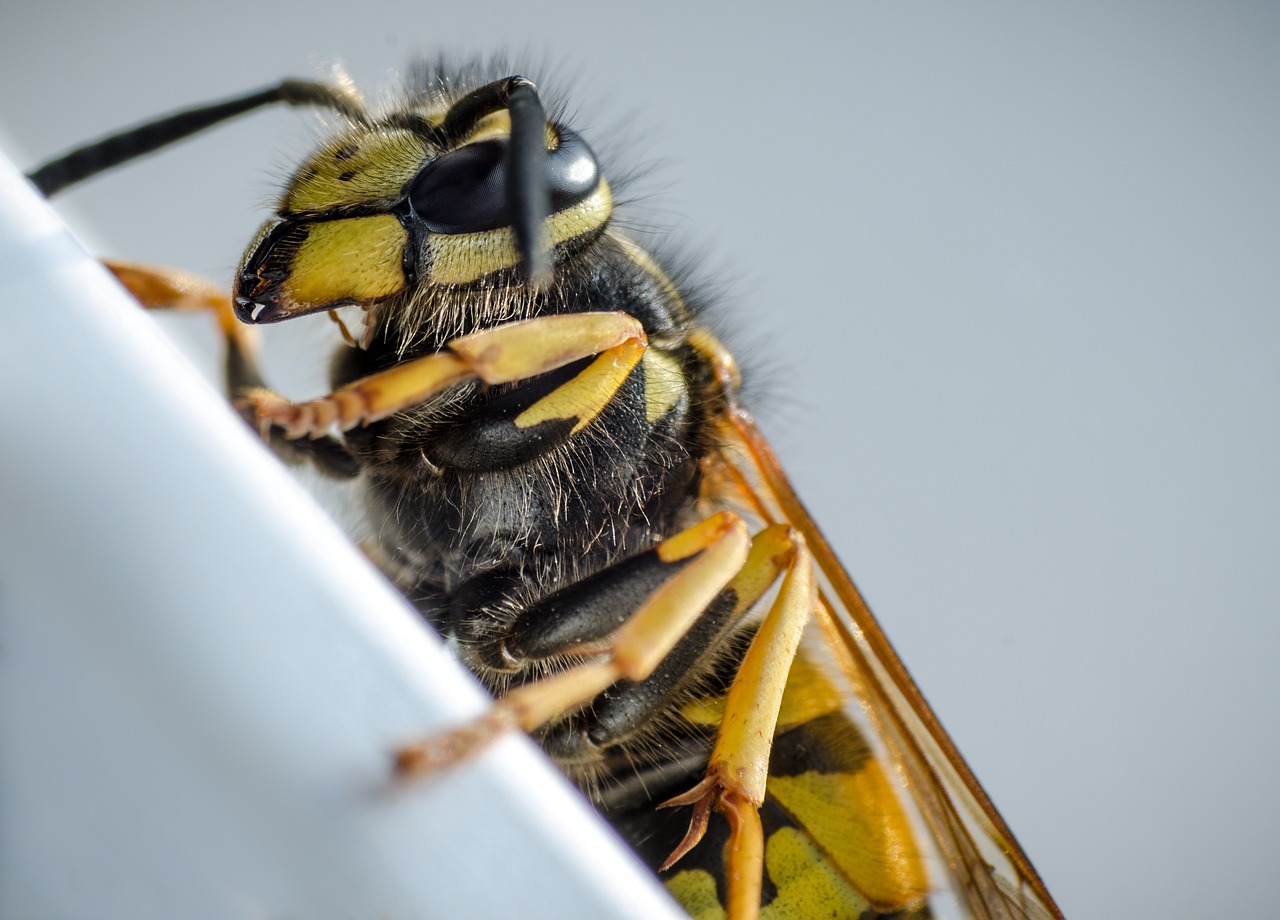
Yellow Jacket
Size:1/2 inch
Color:Bright yellow and black bands, smooth shiny body
Key Fact:Highly aggressive; stings multiple times
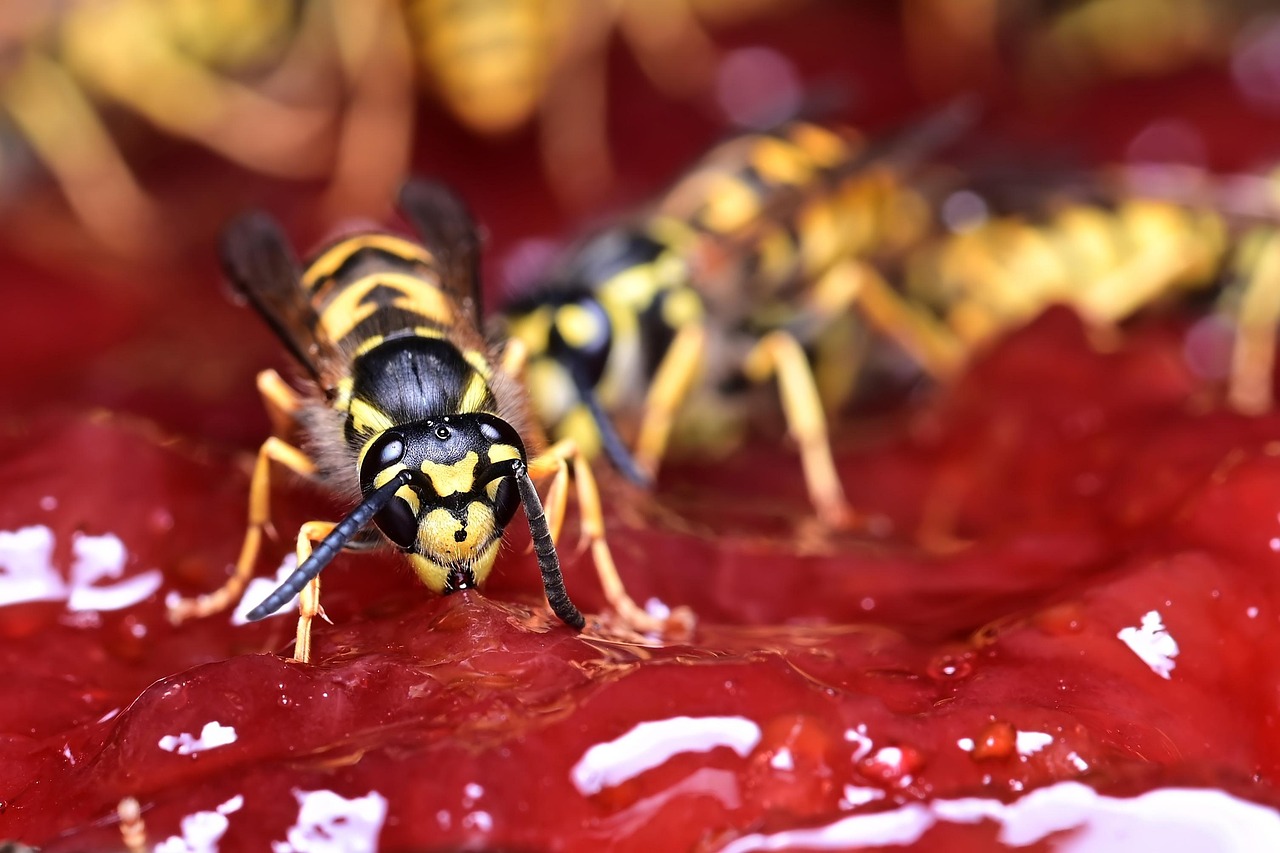
Paper Wasp
Size:3/4 to 1 inch
Color:Reddish-brown with yellow markings, long dangling legs
Key Fact:Builds open umbrella-shaped paper nests under eaves
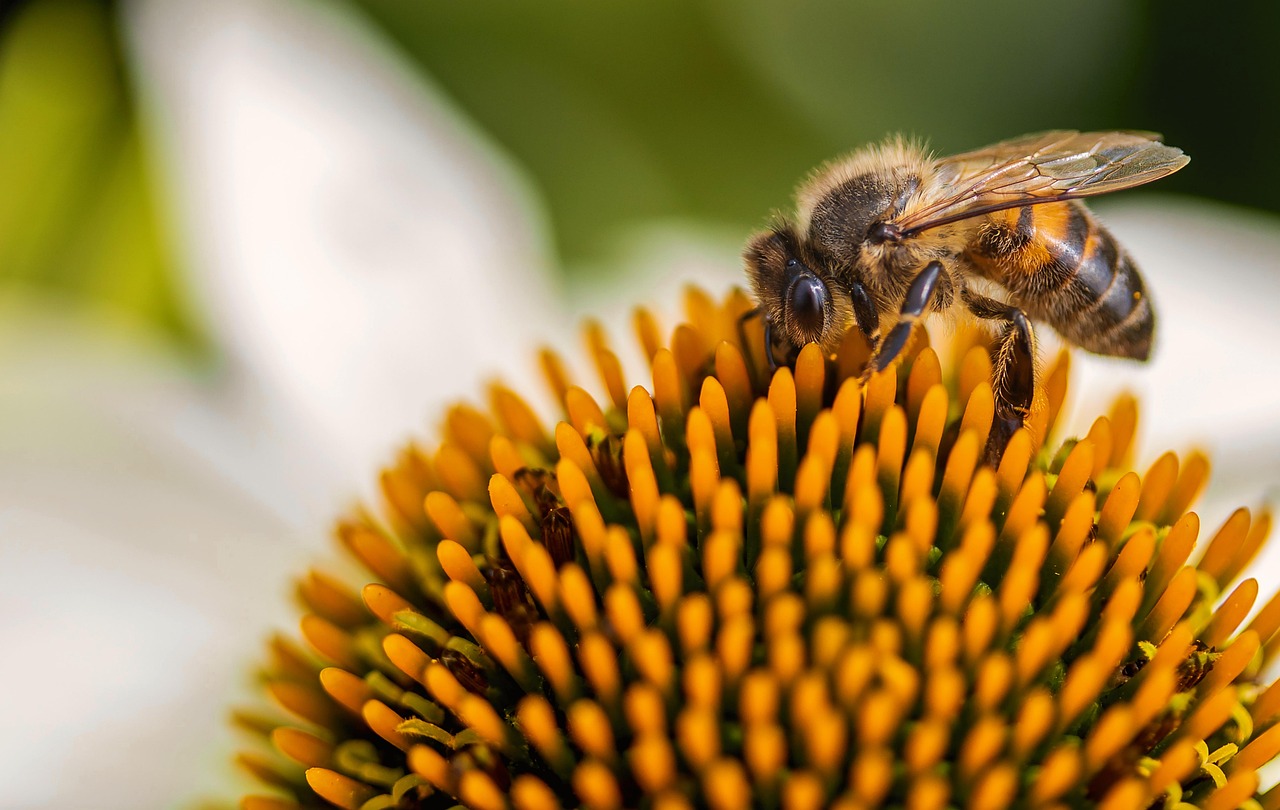
Honeybee
Size:1/2 inch
Color:Golden-brown with dark bands, fuzzy body
Key Fact:Essential pollinators; non-aggressive unless threatened
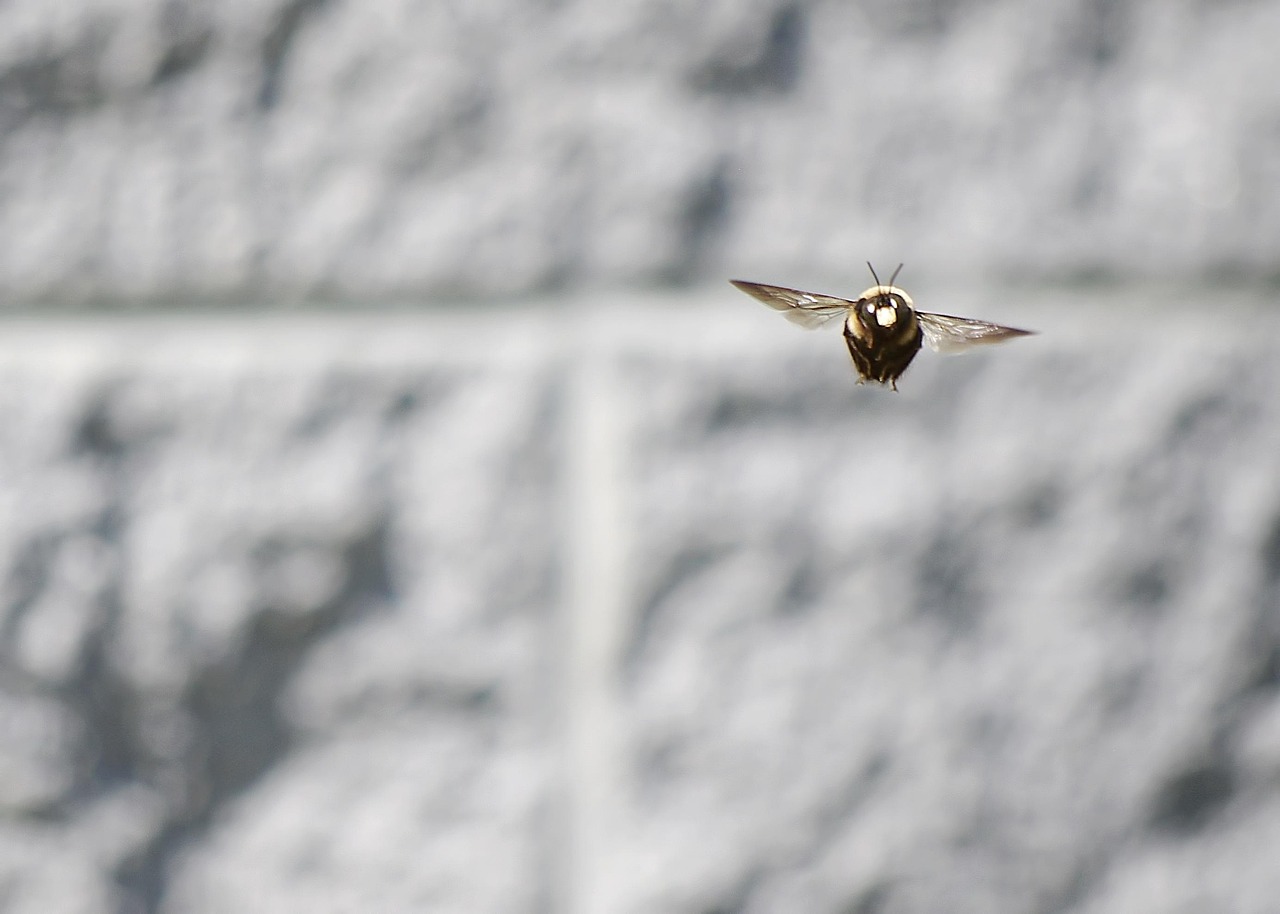
Carpenter Bee
Size:1 inch
Color:Black with shiny, hairless abdomen; resembles bumblebees
Key Fact:Bores round holes into wood structures
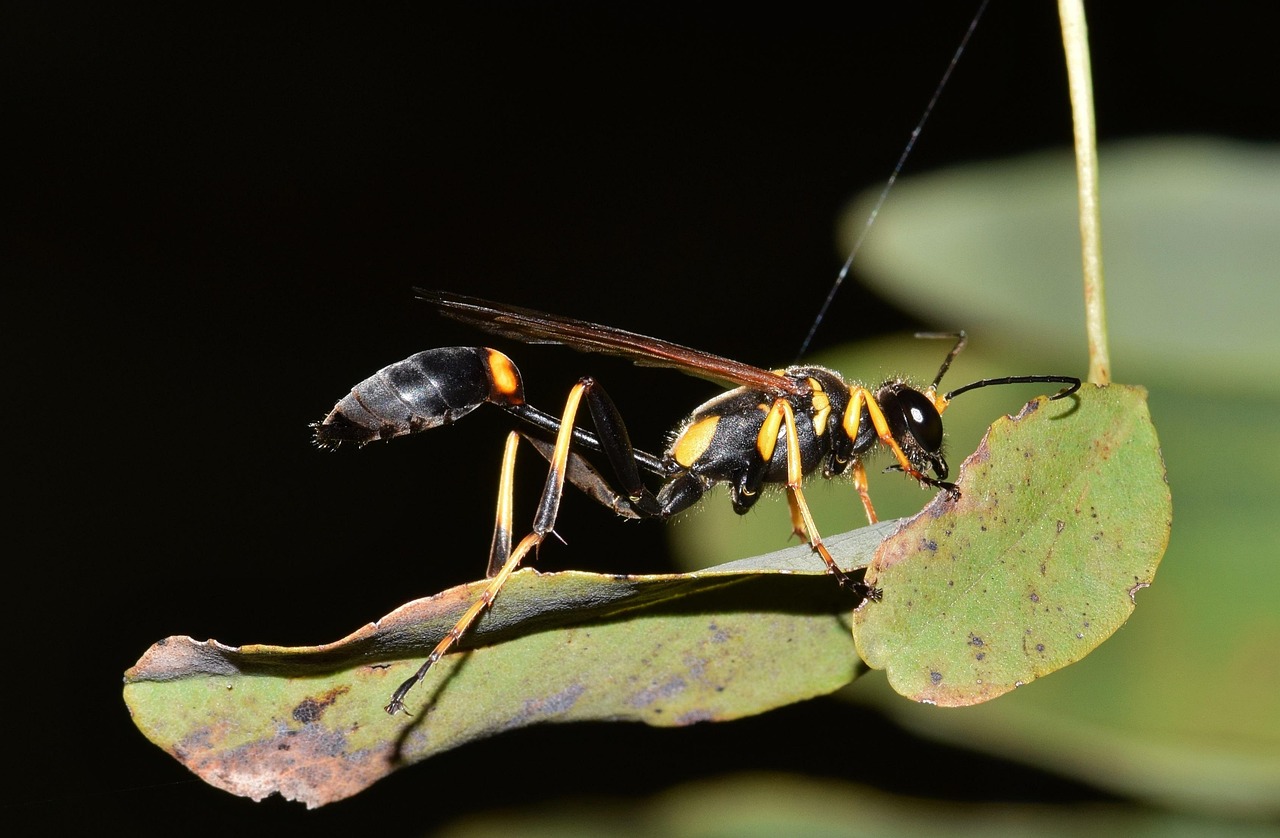
Mud Dauber
Size:1 inch
Color:Black or metallic blue with thin, thread-like waist
Key Fact:Non-aggressive; builds mud tube nests; preys on spiders
Self-Service
Book Your Consultation Online Now
Skip the phone queue -- schedule your pest inspection in under 60 seconds, 24/7.
Pick Your Time
Choose a date that works
Instant Confirmation
No waiting for callbacks
No Obligation
Free estimates included
Very Active Yellowjacket Hive in a Brick Wall
Watch a real yellowjacket hive removal — this is why you call a professional.
Prepare for Your Appointment
1
Keep Children and Pets Indoors
Ensure all children and pets stay inside and away from the treatment area during the entire service visit.
2
Note All Nest Locations
Mark every nest location you've found so the technician can address them all in one visit.
3
Avoid Disturbing Nests
Don't spray, poke, or attempt to remove nests. Disturbing them makes insects more aggressive and treatment harder.
4
Close Nearby Windows
Shut all windows and doors near nest locations to prevent displaced insects from entering your home.
5
Remove Outdoor Pet Food
Bring in pet food bowls, water dishes, and bird feeders from the treatment area before the technician arrives.
6
Wear Light-Colored Clothing
If you need to be outside, wear light colors. Stinging insects are more attracted to dark colors and floral patterns.
Your technician will guide you on arrival.
🔍 Did You Know?
Signs of a Nest Nearby
Watch for a steady stream of insects flying to and from one spot, especially under eaves, in wall voids, or underground holes. Buzzing sounds inside walls or ceilings and chewed wood shavings (carpenter bees) are also telltale signs of an active nest on your property.
What Attracts Them to Your Yard
Open trash cans, sugary drinks, ripe fruit, pet food, and exposed meat draw yellow jackets and wasps to outdoor areas. Flowering gardens near doorways, standing water, and untreated wood structures also invite bees and wasps to set up nests close to your home.
Health Risks from Stings
Wasp and hornet stings can cause severe allergic reactions, including anaphylaxis, which requires immediate medical attention. Even without an allergy, multiple stings from a disturbed nest can lead to serious swelling, pain, and in rare cases, organ damage — making professional removal essential.
When to Call a Professional
Call a pro if the nest is in a wall void, attic, or underground — or if it's larger than a baseball. DIY removal of established nests triggers mass stinging responses. Professionals have protective equipment and targeted treatments that eliminate the colony without putting your family at risk.
Peak Season & Seasonal Patterns
Wasps and yellow jackets are most aggressive in late summer and early fall when colonies peak in size and natural food sources decline. Spring is the best time to spot and remove small starter nests before they grow into large, dangerous colonies with thousands of insects.
Prevention Tips for Homeowners
Seal gaps around eaves, soffits, and siding in early spring before queens start nesting. Ask about ATCO's queen trapping program — deployed February through April to intercept wasp and yellow jacket queens before they establish colonies. Keep outdoor trash covered, avoid leaving food or drinks uncovered at barbecues, and treat exposed wood to deter carpenter bees.
✅ What You Can Do
Secure Outdoor Trash
Keep garbage cans tightly sealed. Wasps and yellow jackets are drawn to sugary drinks, meats, and food scraps in open bins.
Seal Entry Points
Inspect for gaps around eaves, soffits, and siding. Seal cracks where wasps might build nests inside walls or attics.
Manage Landscaping
Keep flowering plants away from doorways and seating areas. Plant bee-attracting flowers in a far corner of your yard instead.
Inspect Early in Spring
Check eaves, overhangs, and sheds for small nests in early spring. Small colonies are much easier for professionals to remove.
Cover Food at Outdoor Events
At barbecues and picnics, keep food covered and use cups with lids. Yellow jackets are drawn to sugary drinks and ripe fruit.
Avoid Bright Floral Patterns
Bright or floral-patterned clothing can attract bees that mistake you for a flower. Stick to neutral tones and skip strong perfumes outdoors.
⚠️ What to Avoid
Don't Knock Down Nests Yourself
Hitting a nest triggers a mass attack. Wasps release alarm pheromones that signal the entire colony to defend — resulting in dozens of stings.
Skip Store-Bought Sprays
OTC wasp sprays rarely reach the queen deep inside the nest. The colony rebuilds, and you've made them more aggressive.
Never Use Fire or Water
Burning or flooding a nest is extremely dangerous. It rarely works and can cause property damage or drive insects deeper into walls.
Don't Harm Honeybees
Honeybees are essential pollinators protected in many areas. Contact a professional who can relocate them to a beekeeper instead.
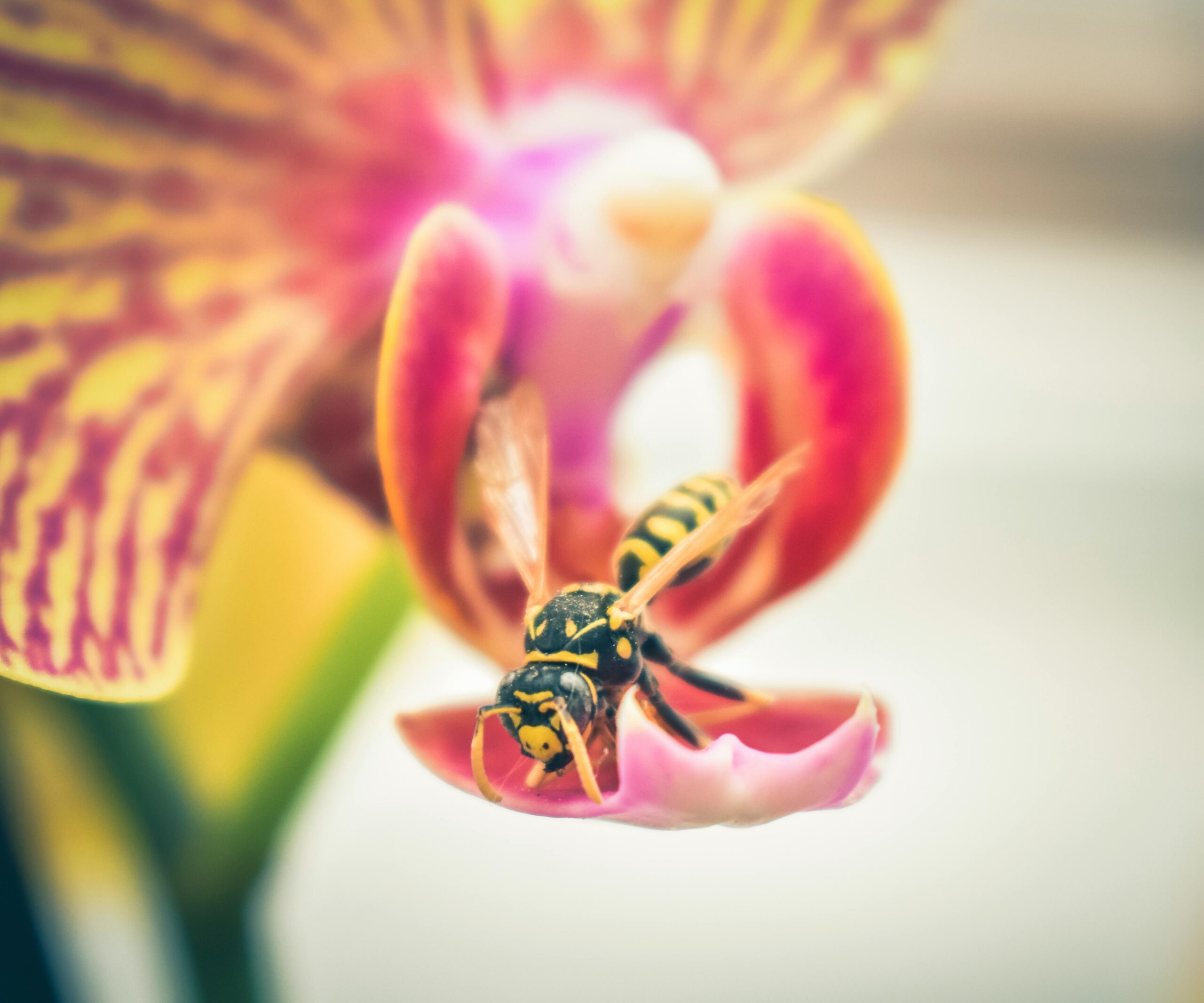
⚠️ Important Warning
Respect the Stinger
Wasps release attack pheromones when disturbed—never attempt DIY removal.
Our Removal Process
1
Locate All Nests
We find every nest, including hidden colonies.
2
Species Identification
We identify the exact species — honeybees, yellow jackets, hornets, wasps — because each requires a different treatment approach.
3
Targeted Treatment
We treat the colony at dusk when all insects are home, using the most effective method for the species — including queen trapping for preventative control in early spring.
4
Nest Removal & Bee Relocation
We physically remove the nest structure. Honeybee colonies are humanely relocated to local beekeepers rather than destroyed.
5
Entry Prevention
We seal entry points and apply deterrents to prevent re-nesting.
👑
Queen Trapping — Early-Season Colony Prevention
In early spring, queen yellow jackets and wasps emerge from overwintering to find nesting sites. ATCO deploys queen traps before colonies establish — intercepting queens before they can build a nest and recruit thousands of workers. One queen trapped in March eliminates a colony that could have housed 5,000+ insects by August.
Queen trapping is most effective February–April and is offered as part of our preventative stinging insect program. Ask your technician about adding it to your service plan.
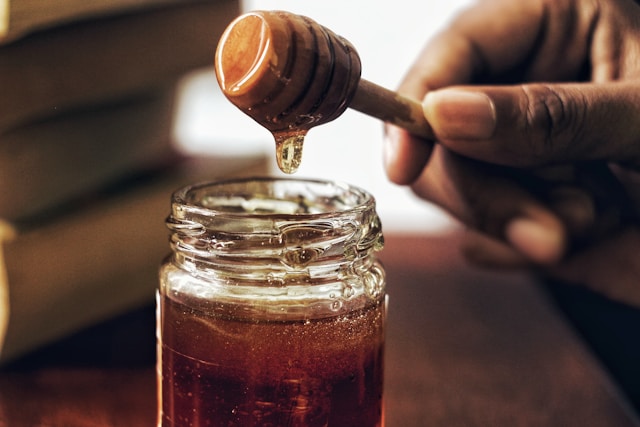
Sweet Results from Conservation
Relocated colonies continue pollinating gardens and producing local honey.
🌻 We Protect Honeybees
We relocate honeybee colonies to local beekeepers whenever possible.
🌱
Eco-Friendly Approach
🏠
Beekeeper Partnerships
🐝
Relocation Not Elimination
Professional Stinging Insect Control
40+ years protecting Bay Area families. EcoWise certified with satisfaction guarantee.
Get a Quote (833) ECO-ATCO